Packaging for Baby & Children's Nurseries: The Practical Guide
Few sectors are as detail-sensitive as baby and children's nursery brands. Parents notice the smell of the inks, the softness of the tissue, the recyclability symbol on the back of the mailer — and they share the unboxing on Instagram before the product even comes out of its wrap. After supplying hundreds of UK nursery brands, from small Etsy weaning shops to national baby retailers, we've learnt that packaging isn't a back-office cost line for this audience — it's a brand-defining moment.
This guide walks through what makes baby and nursery packaging different, which formats suit which products, and how to navigate the sustainability claims that matter most to today's parents.
What makes baby & nursery packaging different
Three things set this category apart from generic eCommerce packaging:
- Safety standards are stricter. Anything that could come into contact with weaning products, dummies or teething toys needs food-grade certification. Printed inks on inner packaging should be low-migration and ideally compliant with BS EN 71-3 (the toy-safety standard for migration of certain elements), because children put things in their mouths that adults wouldn't.
- Sustainability is the baseline, not a bonus. Surveys consistently show that millennial and Gen-Z parents — the buyers in this category — rate eco-credentials as one of the top three reasons they choose a baby brand. Plastic mailers without recycled content are increasingly a dealbreaker.
- It's often a gift. Industry estimates put gift purchases at roughly 40% of all baby-product orders. That means your packaging is opened in front of an audience: new parents, godparents, in-laws. Presentation isn't a "nice to have" — it's the moment the brand is judged.
For broader context on what new parents are planning around the products you're shipping, independent editorial resources such as Nursery Advice are worth knowing about — your packaging is often the first physical impression of your brand inside a room they've spent months curating.
The right packaging for each type of nursery product
Below is the format we recommend most often, broken down by product type. Each section links through to the relevant range — every product is dispatched from our UK warehouse with next-working-day delivery on stocked lines.
1. Baby clothing, swaddles and muslins
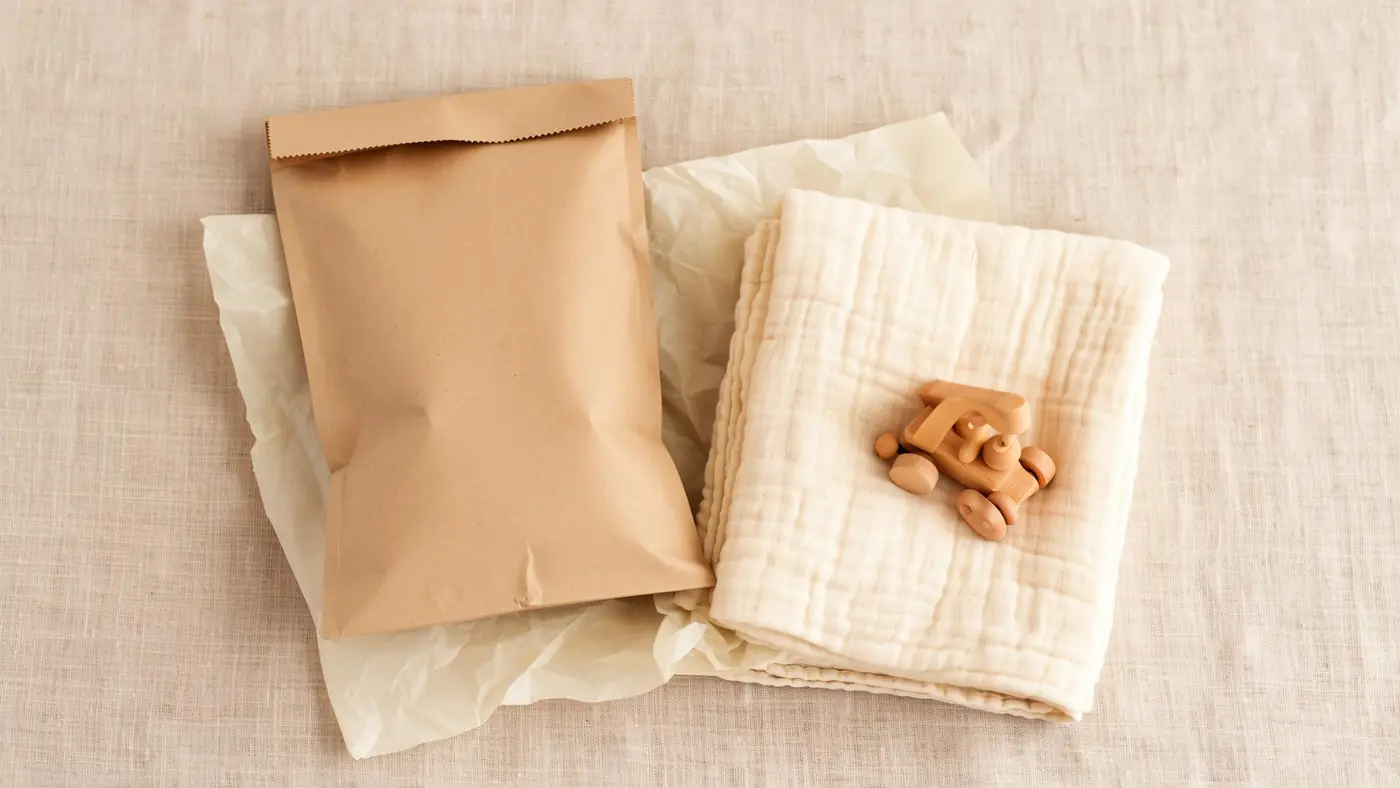
Soft, low-bulk items don't need rigid protection — they need a clean, branded mailer that protects against rain and grime in transit. Lightweight mailing bags also keep your shipping costs in the 1st-class bracket. For sustainability-led brands, compostable mailing bags certified to EN 13432 are now the standard, with paper mailing bags as a fully recyclable alternative. If your range includes gender-themed collections, pink and blue mailing bags add an instant visual signal without the cost of custom print.
2. Weaning bowls, bottles and feeding accessories
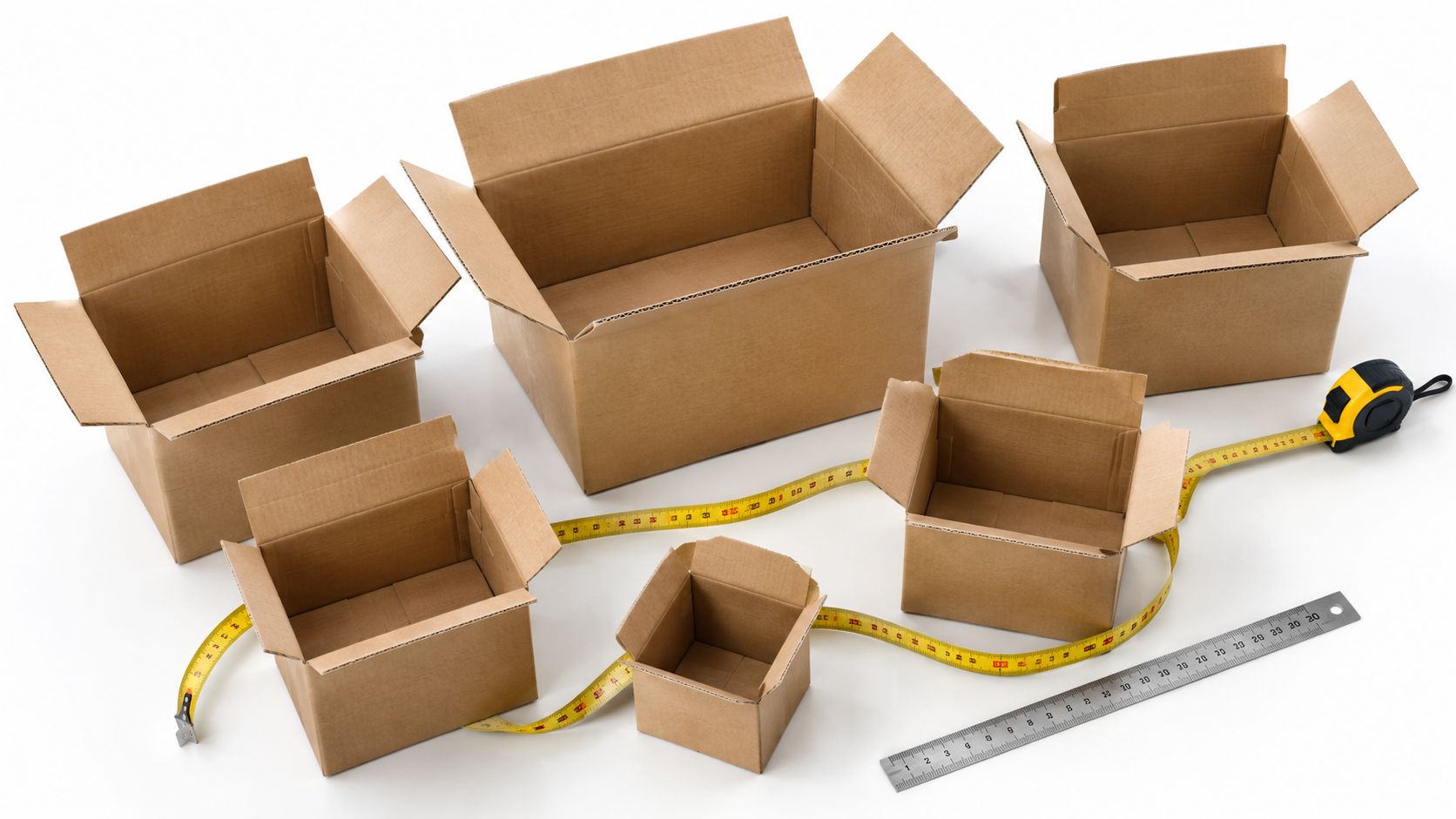
These products are typically rigid, mid-weight, and need to arrive looking pristine — they're often unwrapped at a baby shower. A small cardboard box keeps everything square; for single-item dispatches, a honeycomb kraft padded bag gives genuine cushioning without any plastic bubble. Both are kerbside-recyclable, which matters for the post-unboxing moment.
3. Soft toys, comforters and plush items
Lightweight but easily crushed. The goal here is cushioning without weight. Paper padded envelopes are our go-to: protective, fully recyclable, and pleasant to open. For brands that need a translucent or branded plastic alternative, compostable bubble mailers deliver the same cushioning with a much better end-of-life story.
4. Nursery décor, prints and wall art
Personalised name prints, growth charts and framed nursery art are a fast-growing slice of this market — and they're a returns nightmare if shipped flat in a flimsy envelope. Postal tubes are the right answer for rolled prints; for flat-shipped artwork up to A3, card-backed envelopes stop bending in transit at a fraction of the cost of rigid mailers.
5. Gift sets, hampers and new-baby bundles
This is where presentation does the heavy lifting. A purpose-built gift box with a layer of tissue paper turns a £25 bundle into a £40 perceived-value gift. For premium hampers and milestone gifts, hat boxes have become a quiet bestseller in the nursery space — they're keepsake-worthy, which means your brand stays on the nursery shelf long after the contents have been used.
6. Wooden toys and nursery furniture accessories
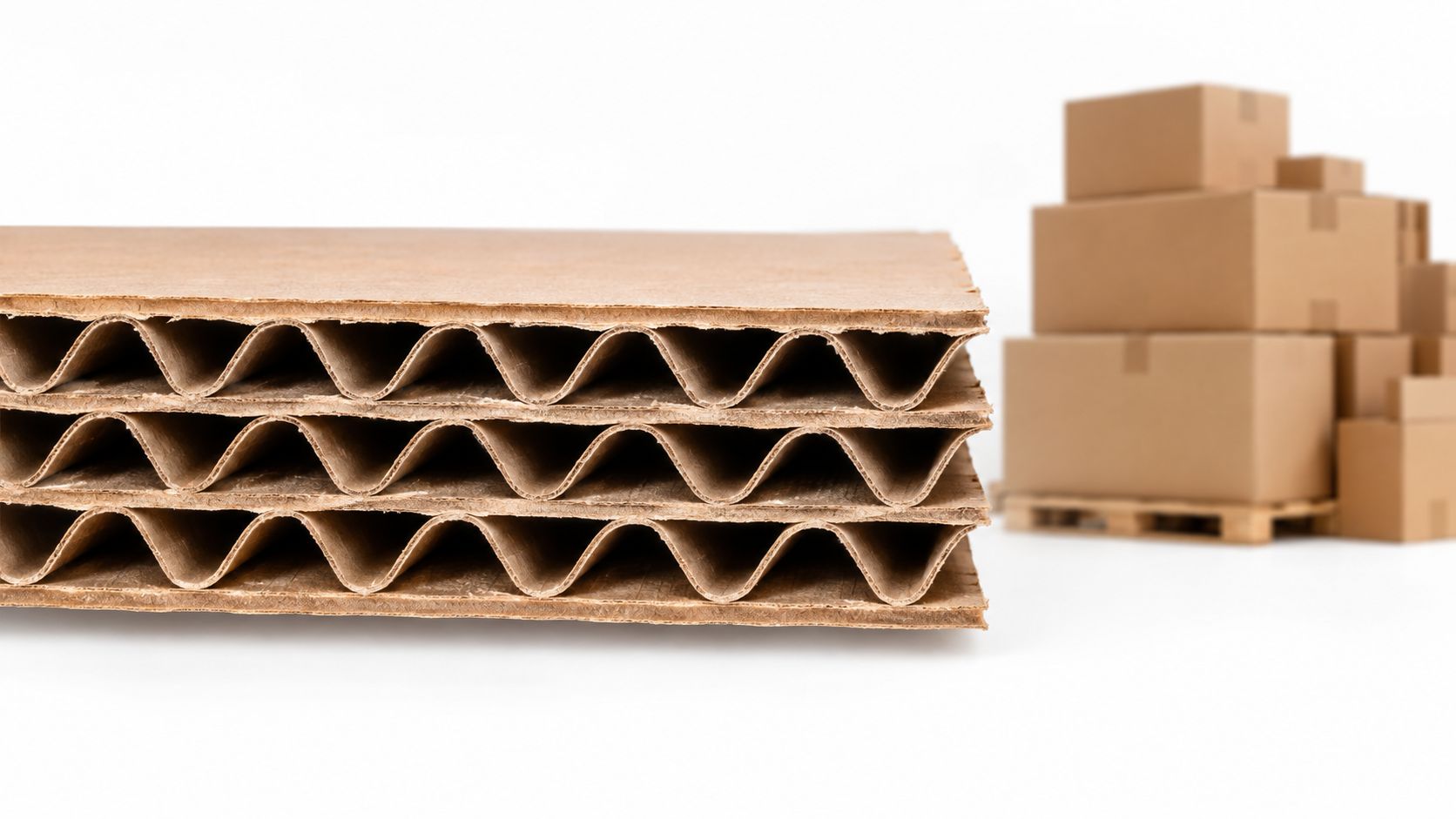
Anything heavy, sharp-cornered or stackable needs to be in a proper box. Double-wall cardboard boxes are designed for carrier transit and survive the warehouse-to-doorstep journey without crushing. Pair with shredded paper or honeycomb wrap as void fill — never loose-fill polystyrene, which parents universally dislike receiving.
7. Subscription boxes for parents
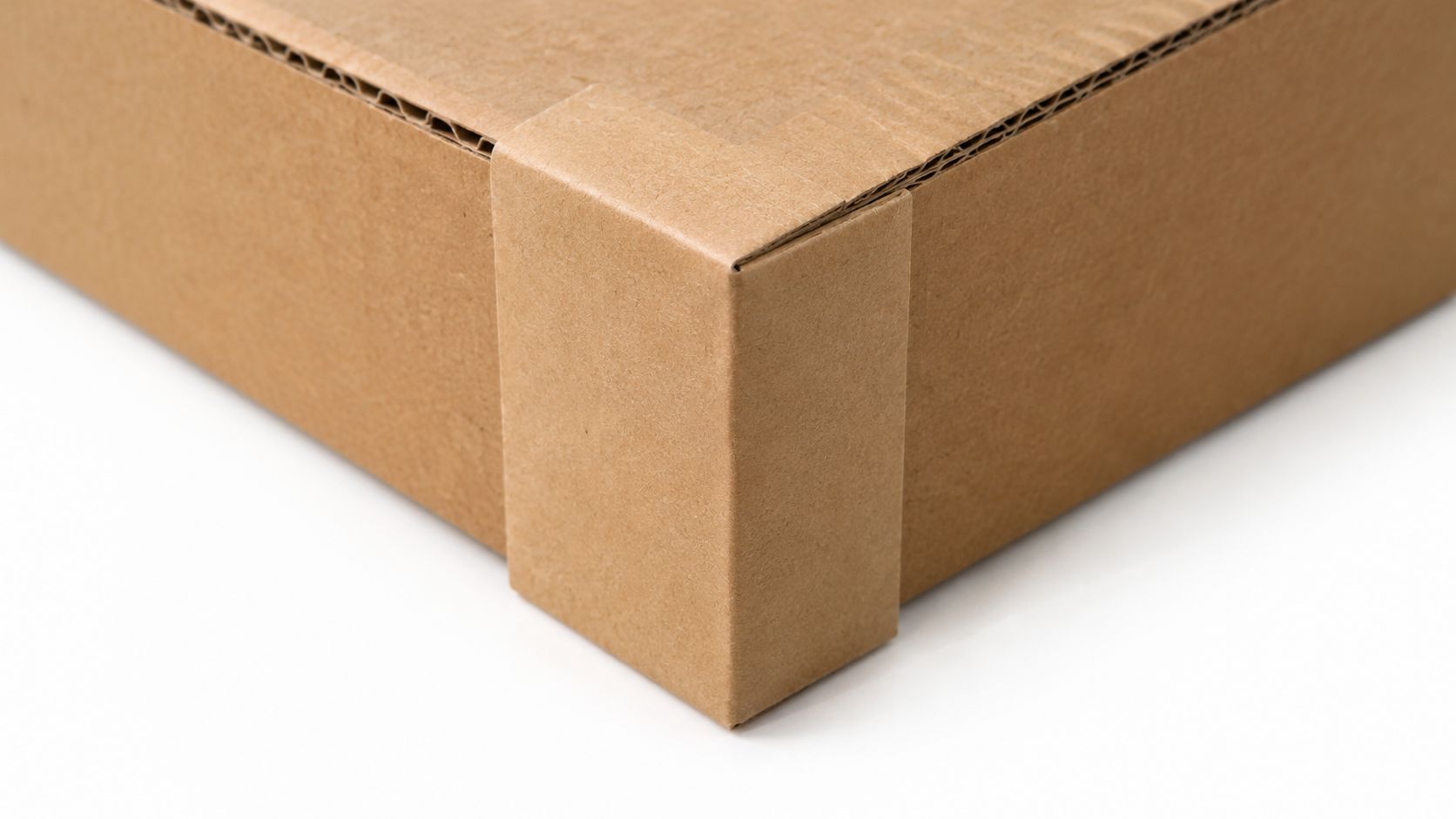
Subscription is the fastest-growing channel in baby retail, and the packaging carries the brand month after month. A plain brown mailing box with a printed inner sleeve, plus shredded paper as natural void fill, is the most cost-effective format that still feels considered. Reusable inner ribbons or stickers do more for repeat-subscriber retention than any other single packaging change.
Sustainability claims — what the labels actually mean
"Eco-friendly" on its own means nothing. Parents — and increasingly, retail buyers — want to see specific certifications. Here are the four that matter most for baby brands:
- EN 13432 — the European standard for industrial compostability. Products carrying this disintegrate in a commercial composting facility within 12 weeks. Most "compostable" mailers in the UK meet this standard rather than home-compost.
- OK Compost HOME (TÜV Austria) — a stricter certification meaning the item will compost in a domestic compost heap at ambient temperatures. Worth the premium if your brand audience composts at home.
- OPRL "Recycle" vs "Recycle with bags at large stores" — the UK's on-pack recycling label. Anything labelled simply Recycle can go in kerbside collection; flexible plastics still need to go to supermarket collection points. Make this distinction obvious on your unboxing insert.
- UK Plastic Packaging Tax — currently £223.69 per tonne (2025/26 rate) on plastic packaging containing less than 30% recycled content. For most baby brands the cost is small but the message to your customer base is significant: choosing 30%+ recycled or fibre-based packaging avoids the tax and is a story worth telling.
Our full eco packaging range filters by certification so you can match a product to a specific claim rather than the generic "eco" label.
A practical checklist before you place a bulk order
- Measure packed, not flat. Soft items expand once folded — always measure your bestseller as it would ship, then add 10mm clearance.
- Order samples first. Spec sheets can't tell you how a mailer feels in the hand or how the tissue drapes around a folded romper. We send free samples on most lines.
- Check food-contact certification for anything that will touch weaning or teething products, even if it's just an inner wrap.
- Standardise to two box sizes that cover 80% of your SKUs. It cuts stockholding, simplifies pick-and-pack, and reduces void fill.
- Budget for tissue paper or shredded paper. Pennies per unit, but it's the single cheapest lever for elevating perceived value.
- Plan for returns. Resealable strips on mailing bags reduce return-handling friction — a small detail parents appreciate when an item doesn't fit.
Need help choosing? Talk to us.
Every nursery brand we work with starts with a sample pack — we'd rather you held the materials before you committed to a pallet. If you need anything printed, sized or specified outside our stocked range, our bespoke packaging service covers everything from custom mailers to fully branded gift boxes, with low MOQs designed for growing brands. Whatever stage you're at, we'd love to help you get the unboxing right.