Minimum Order Quantities for Packaging Buyers in the UK

A small bakery launches a new range of branded cake boxes and then gets a supplier reply that changes the whole plan. The artwork is ready, the launch date is fixed, and the minimum order quantity is far higher than the team expected. Suddenly the question is no longer about packaging design, it's about cash flow, storage space, waste, and whether the business can afford to sit on boxes that might sell slowly.
That situation is common because minimum order quantities shape how SMEs buy packaging, not just how suppliers sell it. In practice, MOQ can protect a supplier's production economics while also forcing a buyer to think hard about demand, lead time, and shelf life. For UK packaging buyers, especially those ordering bespoke or sustainable packaging, the key task is to decide whether the order size supports the business, or traps money in stock that moves too slowly.
Table of Contents
- Introduction to minimum order quantities
- Why suppliers set minimum order quantities
- How packaging procurement influences MOQ
- Calculating unit cost versus volume for UK orders
- Negotiation tactics and alternatives to high MOQ
- Case examples and simple MOQ calculator
- Recommended actions for SMEs and fulfilment operations
Introduction to minimum order quantities
A small online bakery orders branded cake boxes for a seasonal promotion, then learns the supplier will only run the design in a larger batch than expected. The boxes look perfect on screen, but the main issue is whether the business can hold them, pay for them, and use them before demand changes. That's the practical meaning of minimum order quantities, a rule that looks simple on paper and becomes much more complicated once cash flow and storage enter the picture.
For UK SMEs, MOQ isn't just a purchasing term. It affects how much money is tied up in stock, how much room the warehouse needs, and whether packaging choices support or undermine sustainability goals. A buyer who understands MOQ can judge when a supplier's threshold is reasonable, when it's just a production constraint, and when it's a sign to renegotiate or rethink the product mix.
Packaging makes this even more important because many orders are not generic. Custom print, recycled materials, compostable options, and made-to-order sizes all change the economics of a run. A low unit price can still be a poor decision if the order is too large for the business to absorb without waste.
Why suppliers set minimum order quantities
A supplier does not set an MOQ just to make buying harder. The threshold usually reflects the actual cost of running a small batch, especially when the order involves bespoke packaging, extra handling, or materials that must be sourced for a specific job. For UK SMEs, that often creates a practical trade-off. A lower order may protect cash flow, but a run that is too small can drive up unit cost, increase waste, or make a sustainable pack choice harder to justify.
The cost base behind the threshold
Every order starts with work before the first unit leaves the factory. Tools need setting up, print files need checking, raw materials need ordering, and staff still have to schedule, pack, and dispatch the job. MOQ helps spread those fixed and semi-fixed costs across enough units for the supplier to run the order at a sensible margin.
That is why custom packaging often has a higher threshold than plain stock items. A plain carton can move through a more standard process, while a printed mailer, a recycled board finish, or a made-to-size format may need extra preparation and a dedicated production step.
Practical rule: if a run needs a lot of preparation before the first unit ships, the MOQ is usually reflecting that preparation cost, not arbitrary stubbornness.
For buyers, the useful question is not only how many units the carton holds, but what kind of production run the carton requires. A supplier may price by style, colour, or specification when changeovers and bespoke finishing are involved, and that is common in packaging procurement. The same basic box can sit in two very different cost structures, one for stock supply and one for a custom order.
What buyers can influence
Buyers can sometimes shape MOQ without asking the supplier to take a loss. Combining styles, aligning order quantities with pallet efficiency, or adjusting the pack format can make the run easier to produce and ship. A straightforward example is Cardboard Boxes, where a wide stock range can sit alongside a bespoke printed run, even though both serve the same dispatch process.
The sustainability question sits right beside the cash-flow question. Many UK buyers want packaging that cuts waste, uses recycled material, or avoids excess stock, yet those choices can involve smaller supplier pools or more specialised production. A helpful next step is to compare options such as eco-friendly mailing bags against the cost of holding too much stock, because the cheapest unit price is not always the best outcome if it leaves unused packaging on the shelf.
MOQ works best when both sides treat it as a planning point. For the supplier, it protects production economics. For the buyer, it can prompt a better discussion about stock levels, storage space, and whether the packaging choice fits both sustainability goals and available cash.
How packaging procurement influences MOQ
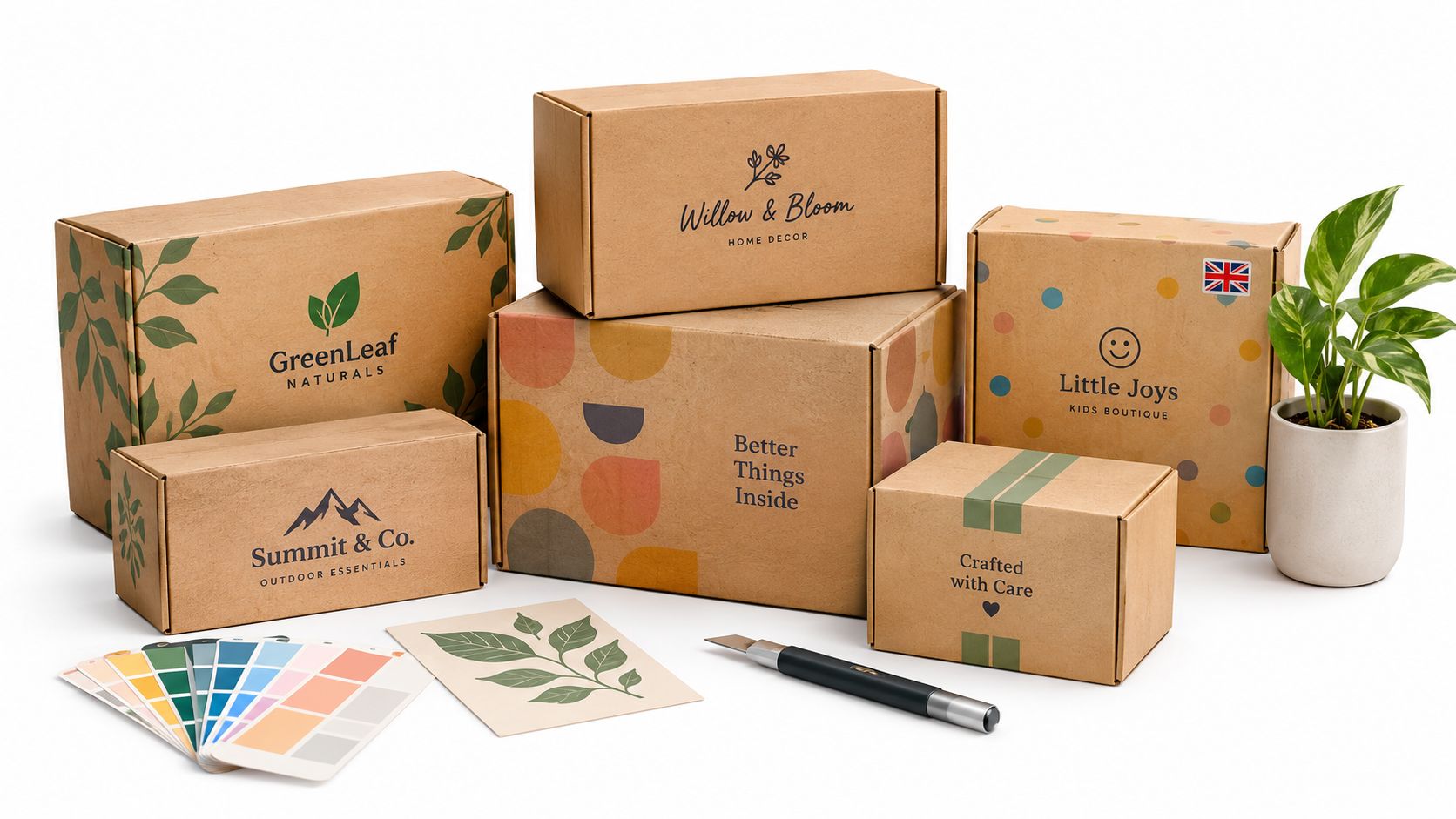
A buyer ordering packaging for a new product launch can find that the quote changes as soon as artwork, finish, or material choice enters the discussion. A plain carton, a printed mailer, or a security bag may start as a simple item, then become a production job with separate setup, approval, and specification steps. That is why bespoke or made-to-order packaging in the UK is often priced by style, colour, or specification rather than only by unit count.
Why custom packaging pushes thresholds higher
Custom packaging usually asks the supplier to do more work before the first unit leaves the line. Printing plates, cutting tools, and machine changeovers all create setup effort that has to be recovered across the order, much like a bakery needs to cover the time spent preparing a special batch before it can sell the finished items. If a business asks for a unique colourway, a different carton size, or a printed logo, the supplier has less room to spread those costs across a tiny run.
That is why MOQ becomes a commercial compromise. A supplier may accept a bespoke run because it covers the setup and leaves room for profit, while the buyer accepts a larger batch because it wants brand consistency or a lower unit cost. Many SMEs get caught on one point here, they assume every packaging item should follow the same minimum. It should not, because a stock mailer and a custom-printed carton do not ask the factory to do the same amount of work.
Sustainability changes the buying question
Sustainable packaging adds another layer to the decision. Buyers often want recycled, compostable, or right-sized packaging, but those choices can involve more specialised sourcing and less production flexibility. That means MOQ talks have to cover waste reduction and stock risk together, especially for seasonal e-commerce, bakeries, and fulfilment operations that cannot afford to sit on slow-moving packaging.
For teams comparing lower-impact dispatch materials, eco-friendly mailing bags are a useful starting point. The point is practical rather than decorative. Packaging choice, material choice, and order size sit in the same procurement decision, because a lower-impact pack can still create pressure on cash flow if it arrives in a quantity the business cannot use quickly.
A smaller MOQ can look attractive, but if it drives frequent reordering or weak pallet efficiency, the total cost to the business can still rise.
This split between stock and made-to-order packaging is common. Packaging Panda's custom packaging service starts at 500 units, a threshold that reflects the need to balance bespoke branding with manageable stock levels. That kind of minimum pushes a buyer to ask the right questions about storage space, replenishment timing, and whether the packaging choice fits both sustainability goals and available cash. If you are working out when to reorder, a reorder point calculation helps connect MOQ with day-to-day stock control.
Calculating unit cost versus volume for UK orders
The cleanest way to assess MOQ is to stop guessing and run the numbers. A technical approach uses the break-even formula MOQ = Fixed Production Costs ÷ (Unit Selling Price - Unit Variable Costs), and inventory holding costs are typically 20 to 30% of inventory value per year (Finale Inventory). That gives buyers a structured way to compare order sizes instead of reacting to the supplier's first quote.
A simple comparison table
| Order Quantity | Unit Cost (£) | Total Cost (£) |
|---|---|---|
| 100 | Higher at low volume | Lower total spend |
| 500 | Lower than 100 units | Mid-range total spend |
| 1,000 | Lowest unit pressure in many runs | Highest cash commitment |
The table is intentionally simple because the point is not to pretend every supplier prices the same way. It's to show the pattern: unit cost usually improves as volume rises, but total spend rises too. The buyer's job is to find the point where the lower unit cost is worth the extra stock.
How to use the calculation properly
Start with the fixed production cost, then estimate the variable cost per unit, then compare that against the selling price or the value the packaging brings to the business. After that, add holding cost into the picture. If the order sits in storage for too long, the saving on unit price can be wiped out by warehousing, handling, and the risk of obsolescence.
A useful companion check is reorder timing. The internal guide on reorder point calculation helps buyers think about when stock needs to arrive, not just how much should be ordered. That matters because MOQ only works if the business can consume the stock before it becomes dead inventory.
Negotiation tactics and alternatives to high MOQ

A high MOQ does not mean the buyer has to accept the first threshold without discussion. A better result usually comes from practical adjustments, not a dramatic pitch. Suppliers are often more willing to move when the buyer can show real demand, flexible artwork, or a carton plan that suits the factory, instead of asking for a smaller figure with no commercial give-and-take.
Direct negotiation levers
Three moves come up often in procurement conversations. First, combine order styles so different variations share the same production run. Second, look at pallet sharing or shared freight where another buyer can absorb part of the batch. Third, align carton counts with the supplier's packing format, because awkward splits often make the run harder to handle and more expensive.
These tactics work best when the buyer understands what the supplier is trying to protect. The supplier needs the order to cover its costs and stay efficient, so anything that improves the run can help. A request framed around packaging format, dispatch efficiency, or repeat ordering is usually stronger than a vague plea for “something smaller”.
Alternatives when the threshold still feels too high
Some businesses need a different route. Ordering through a distributor or wholesaler can reduce the size of each purchase, while consignment stock shifts some inventory burden away from the buyer. Just-in-time ordering helps when demand is predictable and space is tight, and dropshipping can make sense when the buyer does not want to hold stock at all.
The sustainability question sits inside all of this. Bespoke packaging can reduce waste when it is ordered in the right quantity, but it can also tie up cash if the MOQ is larger than the business can use quickly. That trade-off matters for SMEs deciding between a greener material choice and the storage burden that comes with overbuying, as outlined in Slimstock.
For custom print specifically, custom printed boxes no minimum UK shows that the market includes very different order models, and the right one depends on how much stock a business can really carry.
Case examples and simple MOQ calculator
An independent bakery may want compostable cake boxes with its own branding. The boxes support the brand, but the owner still has to weigh whether the larger order is worth the better presentation, the storage space it takes, and the cash tied up before the boxes are used. A 3PL faces a different question with branded security bags, because the benefit is spread across several clients rather than one product line.
For bespoke packaging, that decision often sits between sustainability and cash flow. A greener material or a custom print finish may reduce waste, yet a larger MOQ can leave a small business holding stock for too long. That trade-off matters because the order has to work in the warehouse as well as on paper.

A simple calculator template
A basic spreadsheet only needs a few inputs.
- Fixed production cost, the amount that must be recovered before the run makes sense.
- Unit selling price, or the value per item if the packaging supports a finished product.
- Unit variable cost, such as materials and unit handling.
- Holding rate, to reflect storage and capital tied up.
Once those fields are entered, the buyer can compare smaller and larger order sizes side by side. The point is not to chase the lowest unit number on the quote. The point is to see where the business starts paying too much in storage or too little in unit economics, especially where bespoke packaging is being ordered to cut waste without damaging cash flow.
How to read the result
If the calculator shows that a larger MOQ lowers the true unit cost without creating a storage problem, the order may be worth accepting. If the order only looks cheap because the unit price falls while stock sits untouched, the model has done its job by exposing the hidden cost. That is useful discipline in procurement, because it forces a decision based on total impact, not just the supplier quote.
MOQs can be unit-based or value-based, meaning the threshold may be a number of items or a minimum spend across mixed products (SimplyDepo). That distinction helps when one order contains a mix of boxes, tubes, or security bags with very different price points.
Recommended actions for SMEs and fulfilment operations
SMEs should treat MOQ as part of inventory design, not a nuisance to be solved once and forgotten. The strongest next step is to review SKU demand, set order thresholds by sales velocity, and check whether each line can realistically move before it becomes stale. Businesses that need a wider view on stock pressure can also use how to protect cash flow with inventory as a practical cash discipline reference.
The next move is supplier conversation. Buyers should ask for alternative carton counts, lower runs on specific colours, or mixed-product thresholds where the basket supports it. Where sustainability matters, the order size should still protect cash flow and warehouse space, not just paper over a packaging goal.
For SMEs and fulfilment teams, the rule is simple. Set MOQ by SKU, test it against demand and storage, and negotiate from real numbers instead of instinct. That approach protects margin, limits waste, and makes sustainable packaging far easier to buy sensibly.
If a business needs packaging that fits a real MOQ strategy, Packaging Panda supplies eco-friendly, protective, and bespoke options across a wide UK packaging range. Visit Packaging Panda to review the formats, sizes, and made-to-order choices that can support tighter buying decisions and smarter stock planning.