Brown Kraft Paper Tape: A Practical UK Buyer's Guide

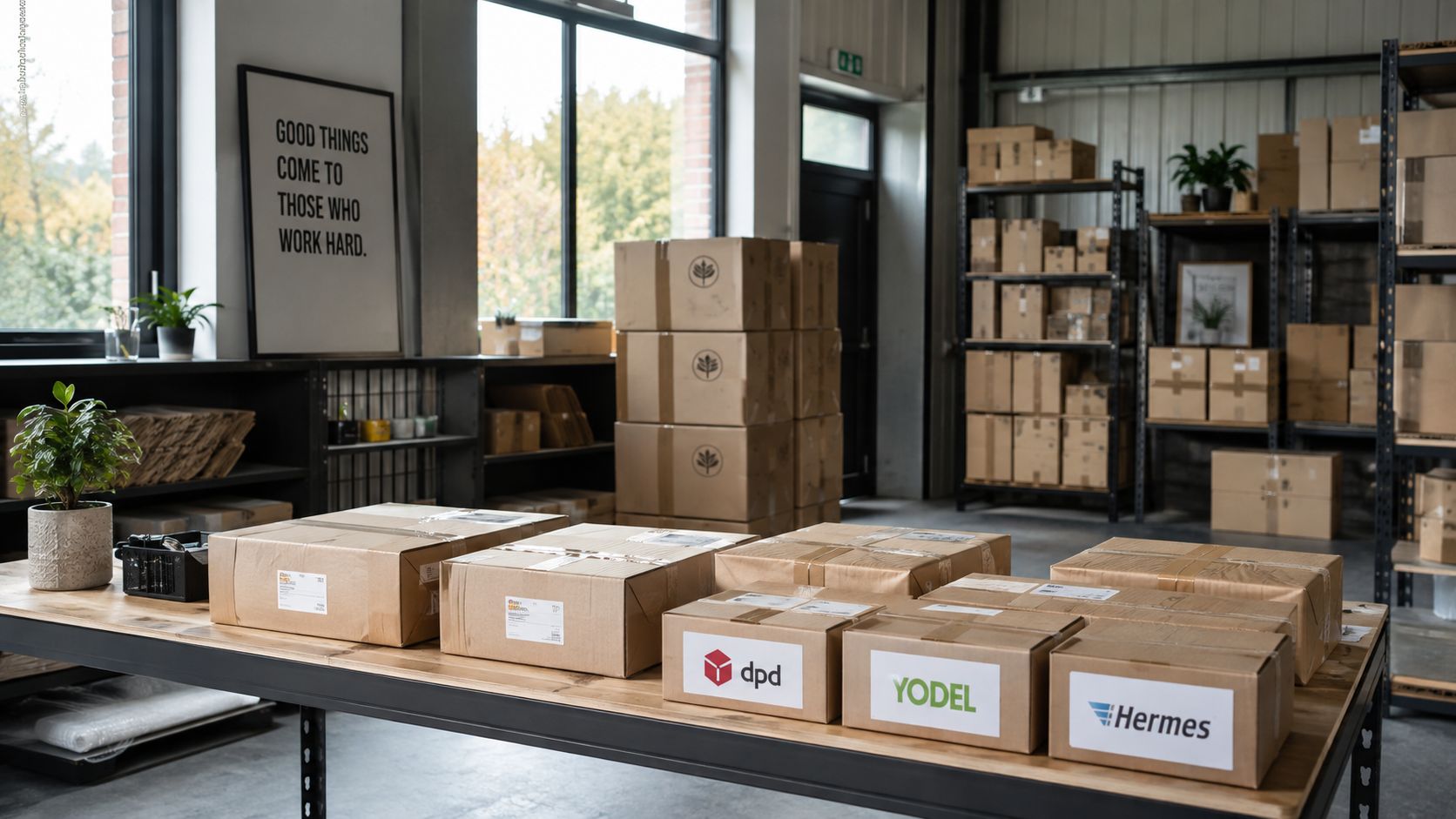
A cold November morning in a British warehouse can expose a poor tape choice before the first courier collection. Cartons sit on a concrete floor, recycled corrugate carries a little dust, and parcels wait for DPD, Yodel or another carrier while a packer discovers that one lifted edge has opened. A failed seal can become a replacement, a return and a customer-service ticket before the pallet has left the building.
Brown kraft paper tape can prevent that outcome, but only when the grade suits the carton, adhesive, temperature and recycling route. Packaging suppliers serving British warehouses and bakeries see the same four decisions repeatedly: tape grade, adhesive type, carton compatibility and end-of-life handling. Brown kraft paper tape is often the right call for recyclable presentation and carton compatibility, although a cheaper polypropylene roll still makes sense for some high-volume, low-visibility work.
Table of Contents
- The Sealing Decision Every UK Despatch Faces
- What Brown Kraft Paper Tape Actually Is
- How It Compares to Plastic Film and Gummed Paper Tape
- Choosing the Right Width, Thickness and Adhesion
- Application Tips and Dispenser Recommendations
- Where Brown Kraft Paper Tape Earns Its Place
- Recycling, Composting and the UK Paper Stream
- Buying Tips for UK Businesses and Bespoke Printing
The Sealing Decision Every UK Despatch Faces
A despatch manager rarely chooses tape in isolation. The decision sits inside a working line where cartons arrive in different board grades, packers use different amounts of pressure, and the building temperature changes sharply between a heated packing bench and an unheated loading area.
A plain self-adhesive kraft roll may look suitable for every parcel, yet a dusty recycled carton can expose weak initial tack. A gummed grade can form an excellent carton seal, but it needs the right dispenser and a consistent wetting process. Reinforced tape may hold a heavy box securely, but the reinforcement changes what happens in the paper recycling stream.
Four questions prevent most seal failures
- Which grade matches the load? Light ecommerce cartons don't need the same construction as a pallet box stored through winter.
- Which adhesive suits the surface? Rubber, acrylic and starch systems behave differently on cold, dusty or recycled-content board.
- Does the width cover the seam? A narrow strip can leave too little purchase on a broad or stressed joint.
- What happens in recycling? Plain paper tape can follow the cardboard route, while reinforced grades require closer inspection.
UK paper and cardboard packaging is a particularly relevant comparison point. The country generated 5,479 thousand tonnes of paper and cardboard packaging waste in 2024 and recycled 4,069 thousand tonnes, a 74.3% recycling rate under methodology 1 and 86.4% under methodology 2, according to the UK waste statistics. Those figures were higher than the UK packaging-wide rates of 64.1% under methodology 1 and 75.2% under methodology 2, so paper-based tape aligns with a material family that performs strongly in the national recycling mix.
The practical lesson isn't that every brown roll is automatically sustainable or operationally reliable. It's that the tape must be assessed as part of the carton system, the packing process and the local recycling outcome.
What Brown Kraft Paper Tape Actually Is
Brown kraft paper tape starts with a paper backing made from kraft fibres. Buyers may encounter virgin or recycled kraft, with the backing commonly specified by weight in the 60 to 90 gsm range in product descriptions. The long fibres provide the substrate's tensile strength, but paper strength alone doesn't determine whether a sealed carton stays closed.
The adhesive layer makes the major functional difference. Water-activated gummed kraft tape carries a starch-based adhesive that becomes tacky when moistened. Self-adhesive kraft tape arrives with a pressure-sensitive rubber or acrylic adhesive already coated onto the paper backing.
A useful comparison is a stamp and a label. Gummed tape behaves more like a stamp applied with moisture, allowing the adhesive to bond into the carton surface. Self-adhesive tape behaves more like a label, relying on pressure, wet-out and surface contact to hold on top of the board.
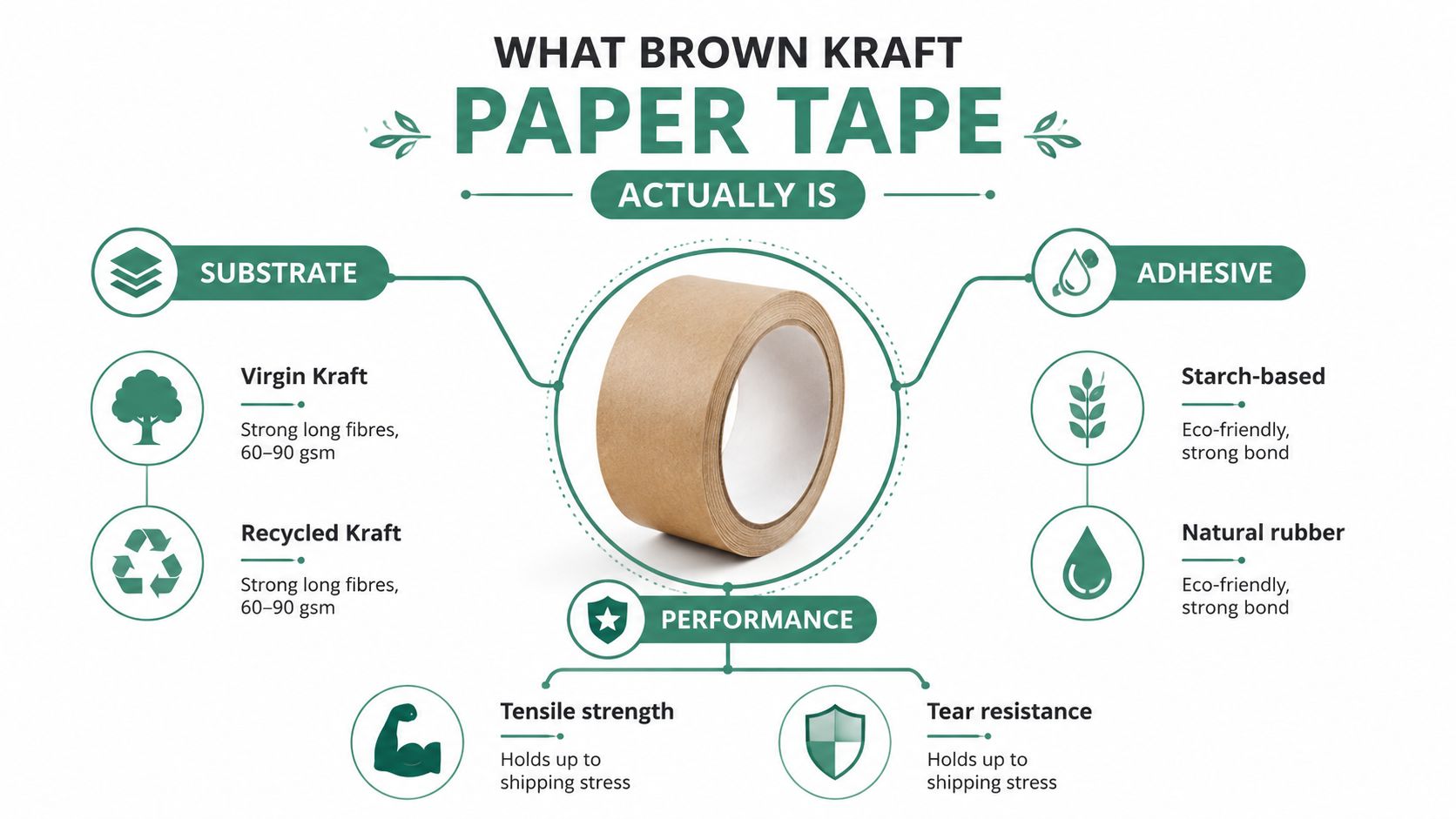
The specification sheet matters
A buyer should check four elements before approving a roll:
- Backing: The paper grade controls tear behaviour, stiffness and how the tape handles around a carton edge.
- Adhesive: Starch, natural rubber and acrylic systems offer different application requirements and surface responses.
- Reinforcement: Glass-fibre filaments add strength for demanding cartons, but they can alter recyclability.
- Format: Width, roll length and core size determine whether the tape fits existing dispensers and packing routines.
A practical catalogue example is Paper Packing Tape, which covers gummed, self-adhesive and printed paper tape options in a factual product range rather than treating “eco” as a substitute for a performance specification.
The brown colour is mostly a presentation choice, although it also blends naturally with corrugated board. The buying decision sits underneath the colour, in the interaction between the paper substrate, adhesive coat and carton surface.
How It Compares to Plastic Film and Gummed Paper Tape
UK buyers generally compare self-adhesive kraft with two alternatives. Polypropylene film is quick and familiar, while gummed paper tape offers a fibre-based seal that can integrate more closely with the carton. Neither option wins every operational test.
Self-adhesive kraft usually suits packing benches that need a straightforward roll-and-cut process. Gummed tape can produce a firm, tamper-evident closure, but its water-activated process demands a dispenser and trained application. Polypropylene film often has the lowest purchase cost per roll and fast application, although plastic film can complicate cardboard recycling because it doesn't follow the paper fibres in the same way.
| Criterion | Self-Adhesive Kraft | Gummed Kraft | Polypropylene Film |
|---|---|---|---|
| Seal on corrugated board | Depends on pressure, adhesive wet-out and surface cleanliness | Bonds through a water-activated adhesive system | Usually quick to apply, with performance dependent on film and adhesive grade |
| Application speed | Fast with a pistol-grip or desktop dispenser | Slower at first, then consistent with a suitable machine | Fast and familiar for most packing teams |
| Recycling route | Plain grades can suit paper and card recycling | Paper backing and adhesive can suit the carton route | Usually needs separation from the cardboard stream |
| Cost per sealed carton | Often balanced between convenience and material choice | Includes dispenser and process considerations | Often attractive where appearance and fibre compatibility matter less |
| Cold warehouse behaviour | Tack can reduce on cold surfaces | Requires controlled wetting and suitable board conditions | Also needs checking against the adhesive specification |
A gummed seal isn't automatically more productive. A low-volume bakery may spend more time preparing a water-activated dispenser than it saves in material handling. Conversely, a busy despatch room can gain consistency once the machine, water supply and operator routine are established.
Practical rule: Choose the cheapest tape only after counting failed seals, rework and recycling instructions. A low roll price doesn't guarantee a low cost per successfully closed carton.
For a closer look at the water-activated option, the paper gum tape guide is useful when a buyer is deciding whether gummed tape belongs at the bench or in a higher-volume despatch area.
Choosing the Right Width, Thickness and Adhesion
Tape specifications become useful only when they predict a warehouse outcome. Width affects seam coverage, thickness influences tear resistance, adhesion controls how well the tape stays down, and tensile strength determines whether the tape gives way before the carton structure does.
Standard carton sealing often starts around 48mm, while wider formats such as 60mm, 70mm or 75mm give more coverage for broad seams and heavier boxes. The right selection depends on the carton flap design and the load, not on the colour of the tape.
Match the roll to the carton
A lighter general-purpose backing can suit ordinary ecommerce parcels. Heavier or reinforced constructions make more sense where cartons face long handling cycles, pallet movement or storage in colder conditions. Thin stock can also create practical problems if a dispenser pulls it unevenly or the operator applies excessive tension.
Thickness may be expressed in microns or gsm, so those figures shouldn't be compared as though they measure the same property. A buyer should request the full technical sheet rather than choosing solely by the largest number.
| Width | Thickness (microns) | Adhesion (N/25mm) | Tensile Strength (N/cm) | Best For |
|---|---|---|---|---|
| 48mm | Grade-dependent | Grade-dependent | Grade-dependent | Standard ecommerce cartons |
| 60mm | Grade-dependent | Grade-dependent | Grade-dependent | Wider seams and mixed despatch |
| 70mm | Grade-dependent | Grade-dependent | Grade-dependent | Heavier cartons |
| 75mm | Grade-dependent | Grade-dependent | Grade-dependent | Broad or demanding carton seams |
One UK supplier lists a kraft paper tape with 135 N/inch tensile strength and 6.5 N/inch 180° adhesion in its product specification here. Those measures illustrate why a tape's holding power depends on both backing strength and adhesive wet-out. Tensile strength helps resist failure during carton handling, while peel adhesion helps limit edge lift under vibration.
Read adhesion as a surface question
Dust, loose fibres and recycled board can prevent the adhesive from making full contact. A carton that feels dry and clean may still have a surface that needs firm, even pressure. If the tape edge lifts, changing width alone may not solve the problem. The adhesive grade, application temperature and board compatibility deserve review first.
Application Tips and Dispenser Recommendations
Self-adhesive kraft tape performs reliably when the operator controls surface condition, pressure and temperature. Keep the carton dry and reasonably clean, and close the flaps so the tape does not bridge a wide gap. Recycled corrugated board often carries dust or loose fibres, so brush away visible debris before sealing.
For mobile packing, a pistol-grip dispenser gives the operator control at each bench. A desktop model suits repeated short runs and can produce more consistent application. Check that the tool accepts the roll width and unwind direction. Apply tape along the entire seam, then press from the centre towards the edges to remove air pockets and improve contact.
Loading the dispenser correctly prevents drag, uneven tension and jams. Use this guide to loading a tape gun to standardise the job for new packers.
Gummed tape needs a controlled routine
Water-activated tape requires a compatible dispenser. Handheld machines suit occasional packing, while electric units fit a dedicated despatch room. Set the wetting system to cover the adhesive evenly. Too little water leaves dry patches. Too much can soften the paper and delay handling.
Cut the tape to length, apply it promptly and hold it firmly against the carton. A short dwell of 1 to 2 seconds before sealing gives the starch adhesive time to penetrate the board. Results still depend on water delivery, board absorbency and pressure, so operators should test the routine on the actual cartons used in the warehouse.
Cold conditions affect both systems. Rajapack's UK paper tape guidance lists minimum application temperatures of 10°C for natural-rubber grades and 15°C for hot-melt grades in its paper tape application guidance. A carton stored beside a cold loading door may need time on a warmer packing bench before sealing. This matters in unheated areas, where a tape that works well at room temperature can lose initial grab.
Electric water-activated dispensers suit sustained volume. Handheld gummed machines remain practical for smaller operations. Where printed tape must sit straight across every carton face, an edge-alignment jig can justify its cost.
Where Brown Kraft Paper Tape Earns Its Place
A Bristol sourdough bakery shipping subscription boxes has a different requirement from a general warehouse. The tape needs an adhesive system suitable for indirect food-contact packaging, and the bakery should obtain the relevant manufacturer declaration rather than assume that every brown paper tape is food-safe. Plain or printed kraft can complement the carton and photograph naturally alongside the product, but the adhesive and ink specification remains the deciding factor.
A Manchester clothing label may use printed kraft tape on plain corrugated boxes. That approach gives the parcel a recognisable identity without requiring a fully printed carton, provided the print remains legible and the tape width gives the artwork enough room. Brands reviewing visual direction can also study these top packaging design examples from DesignGuru before committing artwork.
Four operating scenarios
- Bakery sealing: Food-related packaging calls for documentation, clean application and an adhesive system appropriate for indirect contact.
- Brand presentation: Printed tape adds a controlled visual element to an otherwise plain carton.
- Ecommerce unboxing: A Sussex skincare brand may favour the matte, paper-based appearance when a shiny film finish conflicts with its presentation.
- High-volume carton work: A Midlands 3PL can pair gummed kraft tape with an electric dispenser when recyclable carton sealing and repeatable throughput matter.
The tape earns its place when it solves the operator's actual problem. For one business, that problem is food packaging documentation. For another, it is brand consistency. For a third, it is keeping a large despatch room organised without adding plastic film to every box.
It doesn't earn its place when the carton is exposed to prolonged moisture, the packing team cannot control application temperature, or the operation values the fastest possible application above fibre compatibility. In those cases, polypropylene or another specialist film may remain the more sensible choice.
Recycling, Composting and the UK Paper Stream
In a British despatch room, the recycling outcome depends on the tape construction, not its brown appearance. Plain, unreinforced kraft paper tape will generally follow the corrugated carton into the paper-and-card stream because the backing and adhesive can be processed with the board. Reinforced tape is different. Glass fibres, plastic strands, coatings or other materials may remain in the pulp and prevent the same treatment.
Warehouse instructions should identify the grade being used. A tape that tears cleanly by hand is more likely to suit the cardboard-box recycling stream, but tearability is only a practical check, not proof of acceptance. If the tape resists tearing, remove it from the carton unless the local facility confirms that it can remain attached.
Kerbside advice needs local checking
UK kerbside rules vary between councils and material recovery facilities. A supplier may describe a plain paper grade as recyclable with corrugated board, while the local collection service applies narrower rules. Check the council guidance before printing recycling instructions for customers, especially where cartons are collected through mixed household streams.
Printed tape requires the same review. Water-based inks may work with fibre processing, but the print, coating and adhesive formulation should be confirmed with the manufacturer before making recyclability or compostability claims. Compostable packaging and recyclable packaging are not interchangeable disposal categories, so the intended route must be stated clearly.
Government guidance places fibre choices within the packaging Essential Requirements framework. Packaging placed on the market must use no more material than needed for safety and acceptance. The guidance also states that packaging containing more than 50% organic material, such as paper, is considered to comply with the recovery-related requirement under the packaging Essential Requirements guidance.
That baseline does not replace product evidence. Record the tape grade, reinforcement, adhesive and disposal route in the packaging assessment. Bakery operators should also separate food-grade documentation from general-purpose kraft tape claims. Examples of eco-friendly kraft packaging for takeaways can help frame wider fibre choices, but each tape or pack still needs its own specification review before use.
Buying Tips for UK Businesses and Bespoke Printing
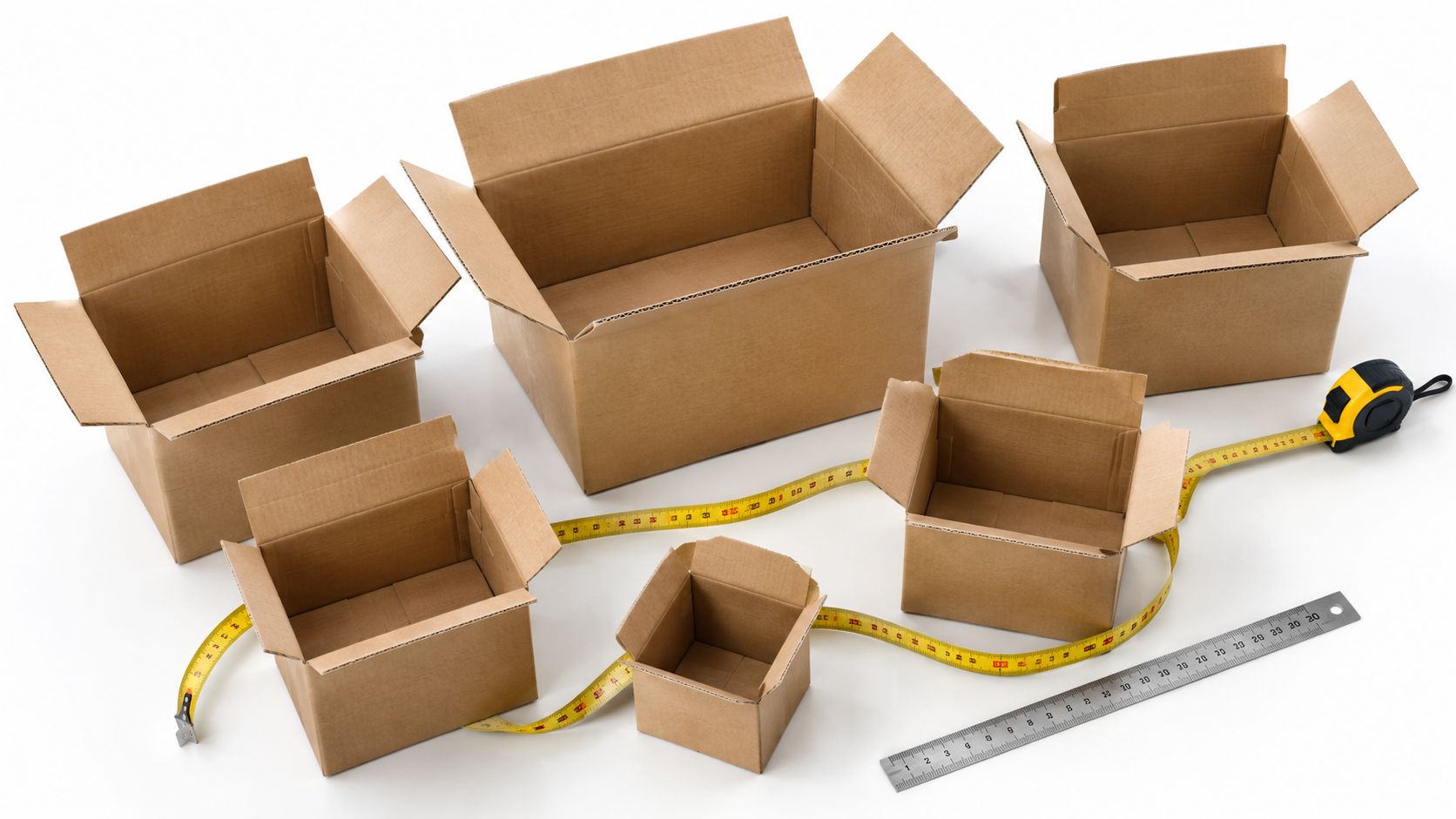
A sensible purchasing decision starts with the existing packing line. A roll that doesn't fit the hand dispenser, desktop holder or automated equipment creates waste before the first carton is sealed. Buyers should confirm the core, roll length, width and unwind direction, then test the adhesive on the actual corrugated board used in despatch.
Bulk purchasing can improve unit economics, but the right quantity depends on storage space, consumption and shelf-life controls. UK stockists may offer shorter replenishment routes than imported stock, while imported orders can require more planning around shipping and availability. Buyers should request a written delivery date rather than relying on a general statement such as “quick delivery”.
Printed tape needs artwork discipline
Bespoke printing works well when the tape forms part of a consistent packaging system. The artwork should allow for the tape's brown background, repeat length, seam position and the contrast of the chosen ink. A print proof should be checked against a real carton, not viewed only on a monitor.
A buyer considering bespoke tape should ask for the minimum order, plate or setup charges, print colours, production schedule and approval process in writing. The supplied purchasing guidance identifies typical minimums of 500 rolls for a single-colour flexographic print and 1,000 rolls for two colours, with a plate setup fee per colour. It also identifies a lead time of roughly 10 working days after artwork approval, so artwork delays can move the despatch date.
Cheap unbranded imports can create problems when adhesive coat weight varies between rolls or slit edges are inconsistent. Those defects may show up as poor tack, uneven unwinding or jams in automatic dispensers. A sample run on the carton and dispenser is a better test than a low headline price.
Answers to four common buying questions
- Is it suitable for bakery boxes? Water-activated, unprinted kraft tape with starch adhesive is generally food-safe for bakery box sealing, but printed and reinforced grades need a manufacturer declaration.
- Can it be used in a freezer? Self-adhesive natural-rubber grades can work to roughly minus 10°C, while gummed tape needs a heated wetting system below 5°C to bond reliably.
- Can reinforced tape go in kerbside recycling? Glass-fibre reinforced tape isn't kerbside recyclable in the stated guidance and should be peeled off. Some specialist MRFs may accept it, but most do not.
- What does bespoke printing require? Typical minimums are 500 rolls for one-colour flexo and 1,000 rolls for two colours, with a plate setup fee per colour.
Before placing an order, the purchasing checklist should include:
- Roll format: Confirm width, length, core and dispenser compatibility.
- Adhesive system: Match rubber, acrylic or starch to the board and temperature.
- Print area: Approve artwork on the actual brown substrate.
- Delivery date: Allow for artwork approval, production and replenishment.
- Recycling evidence: Record whether the grade is plain, reinforced, printed or locally accepted.
Packaging Panda supplies paper packing tape in gummed, self-adhesive and printed options, alongside other packaging materials for UK businesses. Visit Packaging Panda to compare paper tape formats, check related carton and bakery packaging options, and discuss a tape choice that matches the despatch line and recycling route.