
How to Load a Tape Gun Properly Every Time
Monday morning on a busy dispatch floor has a way of exposing every sloppy habit. The queue is already building, cartons are open, and someone has picked up a tape gun that's been left half-loaded from the last shift. The roll looks fine at a glance, but the first pull chews the edge, the leader slips back through the gate, and the operator wastes time fighting a tool that should've worked first time.
Getting how to load a tape gun right is less about cleverness and more about repeatable setup. The same loading sequence, width match, and tension check used across a team keeps parcels moving, reduces waste, and stops small mistakes from turning into a bottleneck at the pack bench. That matters on any UK dispatch line where speed, cut quality, and consistency all matter at once.
Table of Contents
- Why a Clean Tape-Gun Routine Matters on the Dispatch Floor
- Getting the Gun and Roll Ready Before You Load
- The Core Loading Sequence From Start to First Cut
- Setting the Tension So the Roll Feeds Smoothly
- Common Loading Mistakes and How to Fix Them Fast
- Matching Tape Choice to Your Dispenser and Dispatch Goals
- Keeping Your Tape Gun in Working Order Between Shifts
Why a Clean Tape-Gun Routine Matters on the Dispatch Floor
A neat loading routine looks minor until the orders start stacking up. One operative loads a gun with the roll reversed, another leaves the leader too short, and a third has to stop to pry adhesive off the roller. Each issue costs only a little time, but on a live dispatch desk those little pauses are exactly what slow a shift down.
The mess that starts with one rushed pull
The worst part is that the faults are rarely dramatic. The tape doesn't usually fail all at once, it starts with a torn leader, a chewed edge, or a blade that drags against cardboard instead of cutting cleanly. Once a gun starts snagging, the operator begins compensating, and that leads to more waste and more uneven seals.
Practical rule: a tape gun should feel boring in use. If someone has to think about every pull, the loading wasn't clean enough.
A standardised routine helps because every operative can load the same gun the same way, then seal cartons with the same motion. That doesn't just tidy up the bench, it protects throughput, which is the thing managers feel most when the carrier cut-off is close. The gain is repeatability, not drama.
The cleanest teams treat the tape gun like any other hand tool. It gets checked, loaded, tensioned, and tested before the queue gets serious. That habit is what keeps sealing smooth when the pace rises.
Getting the Gun and Roll Ready Before You Load
A tape gun only behaves properly when the roll, dispenser, and blade are matched before the tape goes on. On a UK dispatch floor, that means checking the tape width must suit the dispenser frame and serrated blade length, because a mismatch is where misfeeds and ragged cuts start. That check takes seconds, and it saves a lot of fiddling once the labels, cartons, and carrier cut-off are all pressing in.
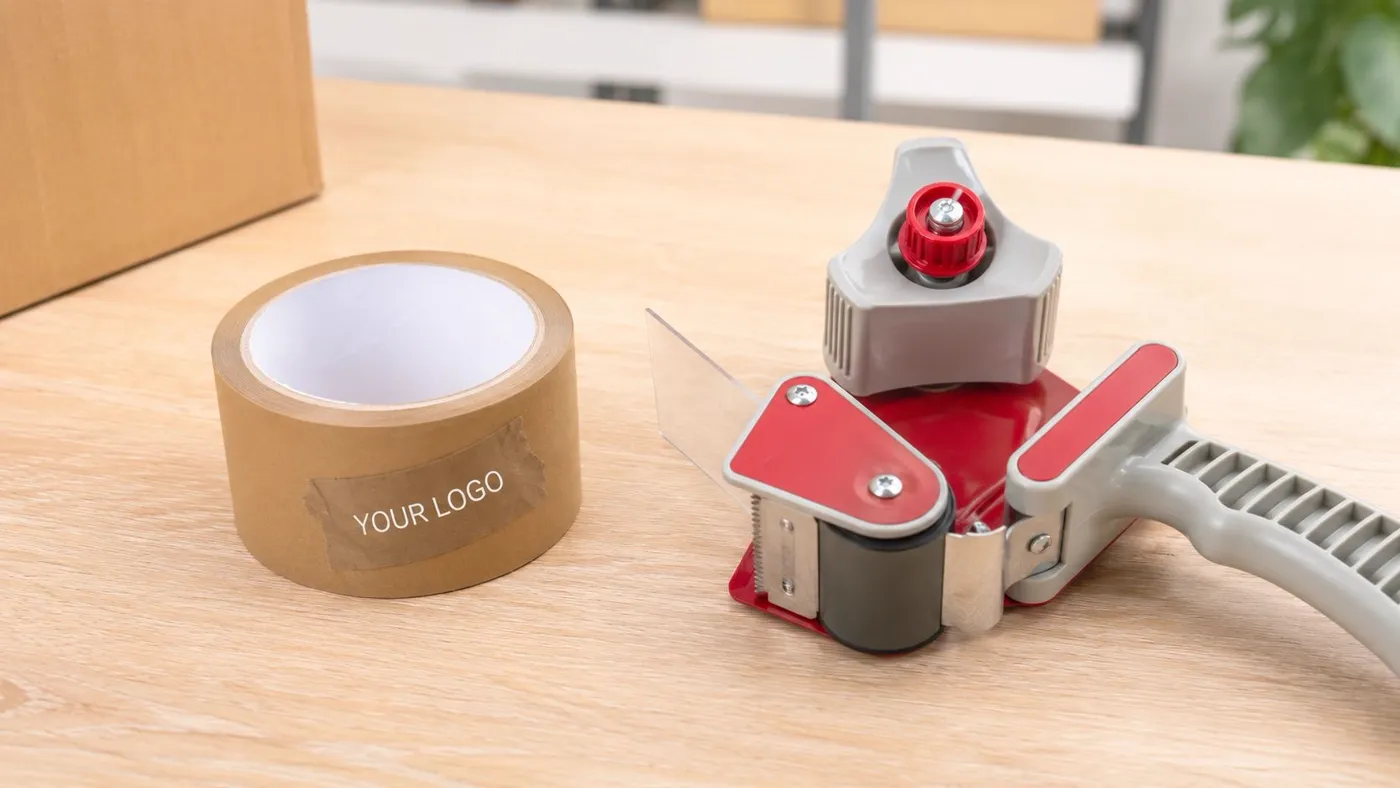
Set the roll on a flat bench first, with the adhesive side facing down before it goes onto the spindle. If the sticky side is facing the wrong way, the gun will unwind backwards and the leader will not track through the roller properly. A quick visual check is enough on standard carton-sealing tape, because the adhesive face should be the tacky side that catches lightly if touched.
What ready to load actually looks like
A ready gun is clean around the spindle, roller, and metal gate, with no old adhesive slowing the tape down. A dry wipe now is easier than stopping mid-shift because a gummy build-up has started pulling the tape off line. On a busy dispatch bench, small faults are the ones that waste time fastest.
A good loading setup also depends on the dispenser type and the roll you plan to use. A standard hand-held gun should sit comfortably in the hand, the roll should spin freely on the spindle, and the blade edge should look straight rather than bent or sprung. If the roll feels tight, or the frame looks twisted, the next few cartons will usually show it.
For teams standardising their tape room, the practical choice can also include a paper option. Paper Packing Tape is listed as eco-friendly paper packing tape with gummed, self-adhesive and printed options, and that gives a site a clearer basis for comparing carton-sealing styles without changing the basic loading routine. If the aim is a straightforward everyday roll for general dispatch, economy clear packaging tape is the kind of product many teams keep in the same conversation.
The matching width check is where tape choice and dispenser choice need to line up. A category page like Packaging Tapes belongs in that decision, because the roll still has to fit the gun properly before anyone starts sealing cartons. For a fuller visual walkthrough of the loading process, the guide on how to load tape dispensers is a useful companion reference.
The Core Loading Sequence From Start to First Cut
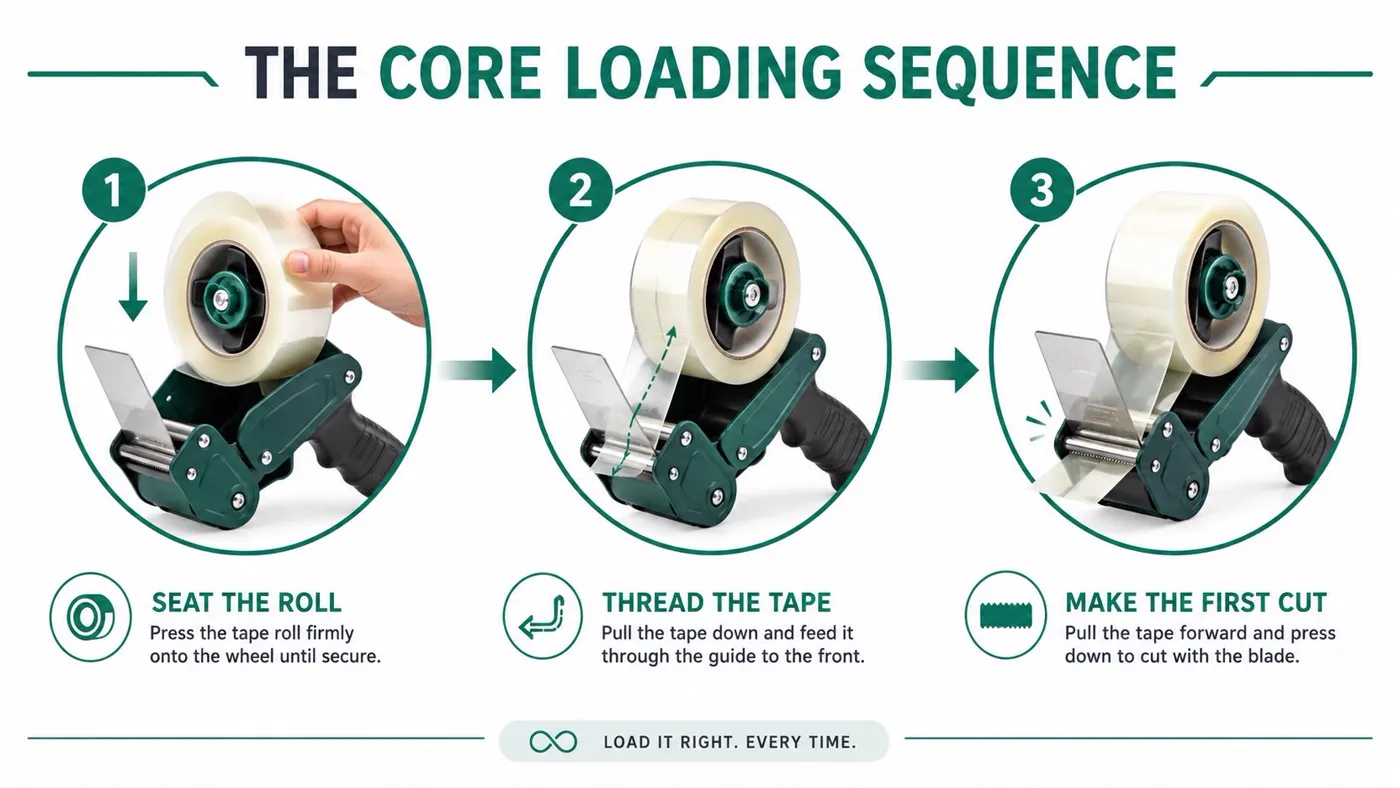
Loading a tape gun works best as one continuous motion, not a stop-start puzzle. The roll sits on the spindle with the adhesive side facing down, the loose end feeds under the roller, and the tape passes through the loading gate between the roller and the metal plate. That path is what creates the right unwind direction and the right cutting angle.
Seat, thread, and hold the gun properly
The roll needs to sit firmly on the wheel before the leader is threaded. If the gun is tilted or the roll isn't fully seated, the roll can spring off halfway through the thread, which wastes tape and usually frustrates the operator into starting again. A steady grip matters more than speed in that first second.
The tape should then be pulled through the gate by about 5–6 inches before the excess is cut away. That length is not arbitrary, it gives enough leader to press against the blade cleanly and enough control to start sealing without the tape vanishing into the housing.
For a clear visual walkthrough of the same process, the guide on how to load tape dispensers is a useful companion reference. The sequence aligns with what UK supplier and manufacturer instructions keep repeating, which is the point, the method is standard because it works.
Make the first cut clean
Once the leader is through, close the gate and press the tape against the serrated edge or paddle. The clean break should leave a neat starting end rather than a shredded flap. That first cut sets the tone for the rest of the roll, because a neat leader is easier to grab on the next carton.
A tidy loading motion also helps on film-backed tape, where the cut edge can fray if the operator drags it through at an angle. The same simple discipline, seat, thread, pull, cut, keeps the gun predictable on a packed bench.
Setting the Tension So the Roll Feeds Smoothly
A loaded gun is only half ready if the tension is wrong. Too loose, and the tape unspools in a floppy ribbon that gets in the way of the next pull. Too tight, and the roll fights the feed, forcing the operator to pull harder than the roller should ever need.
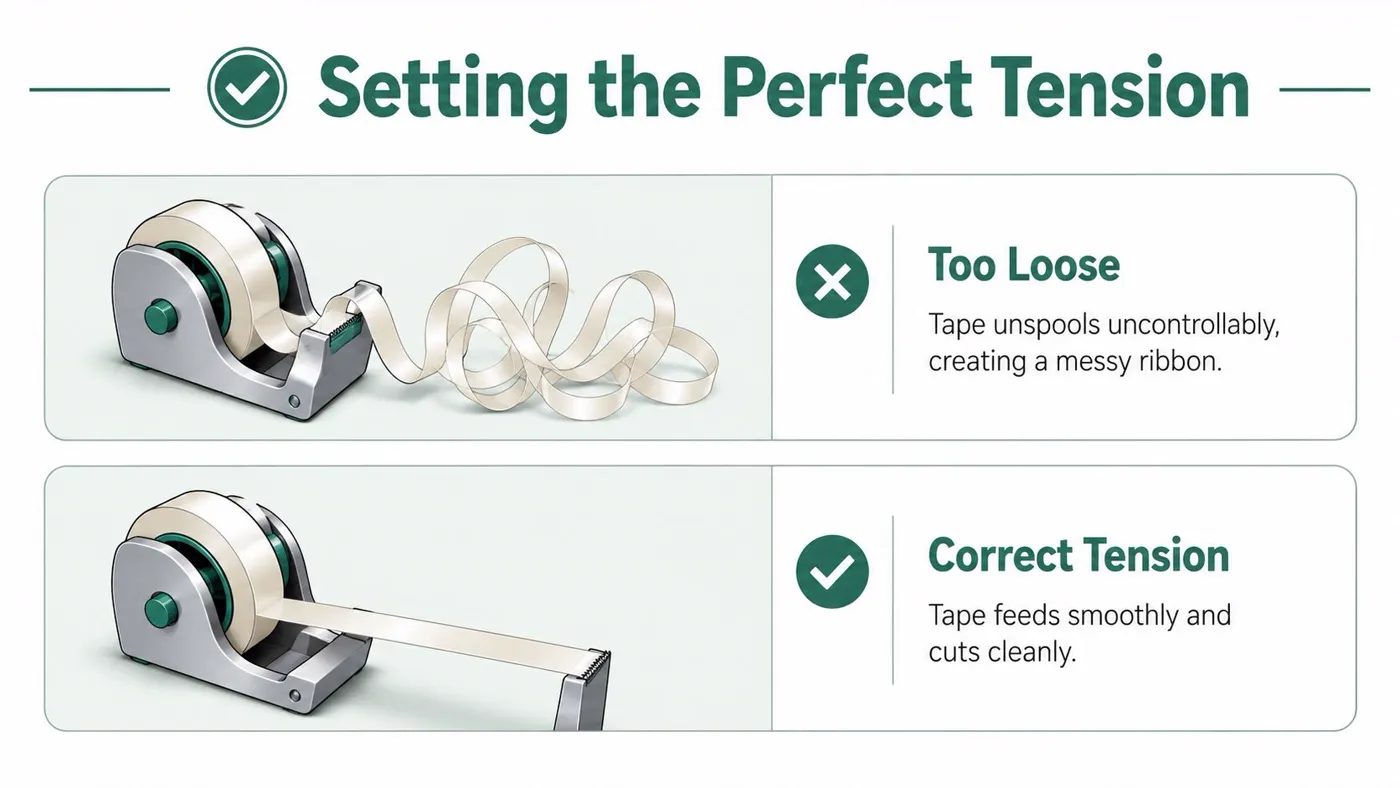
The fix is straightforward. Turn the knob clockwise to tighten and counter-clockwise to loosen. That's the practical control that keeps the unwind steady, especially on a shift where the same gun is sealing box after box without a break.
What a tuned gun feels like
A properly adjusted gun should dispense in a controlled strip that can be placed, pressed, and cut without the roll drifting forward on its own. When the tension is set right, the operative keeps a steady sealing rhythm instead of pausing to unjam or rethread the tape. That matters most when cartons are moving quickly and nobody has time to babysit the dispenser.
A simple test is enough before the queue gets heavy. Make two or three practice pulls on scrap cardboard and watch the feed path. If the tape hesitates, tightens, or starts to bow out of the housing, the knob needs another small adjustment.
Teams using Eco Friendly Packaging often find this step matters just as much as the roll choice itself, because paper-backed and recycled-format materials can behave differently in the hand. The same goes for any shop comparing a quieter tape option with a standard film roll from low-noise clear packaging tape, the gun still needs to be dialled in to the material.
A good tension setting should disappear into the job. If the operative notices the knob during sealing, the feed probably isn't right yet.
Common Loading Mistakes and How to Fix Them Fast
Most tape-gun problems on a live dispatch desk come down to a few repeat faults. The good news is that they're easy to spot if someone knows what to look for. The bad news is that they often get blamed on the tape when the actual issue is the loading.
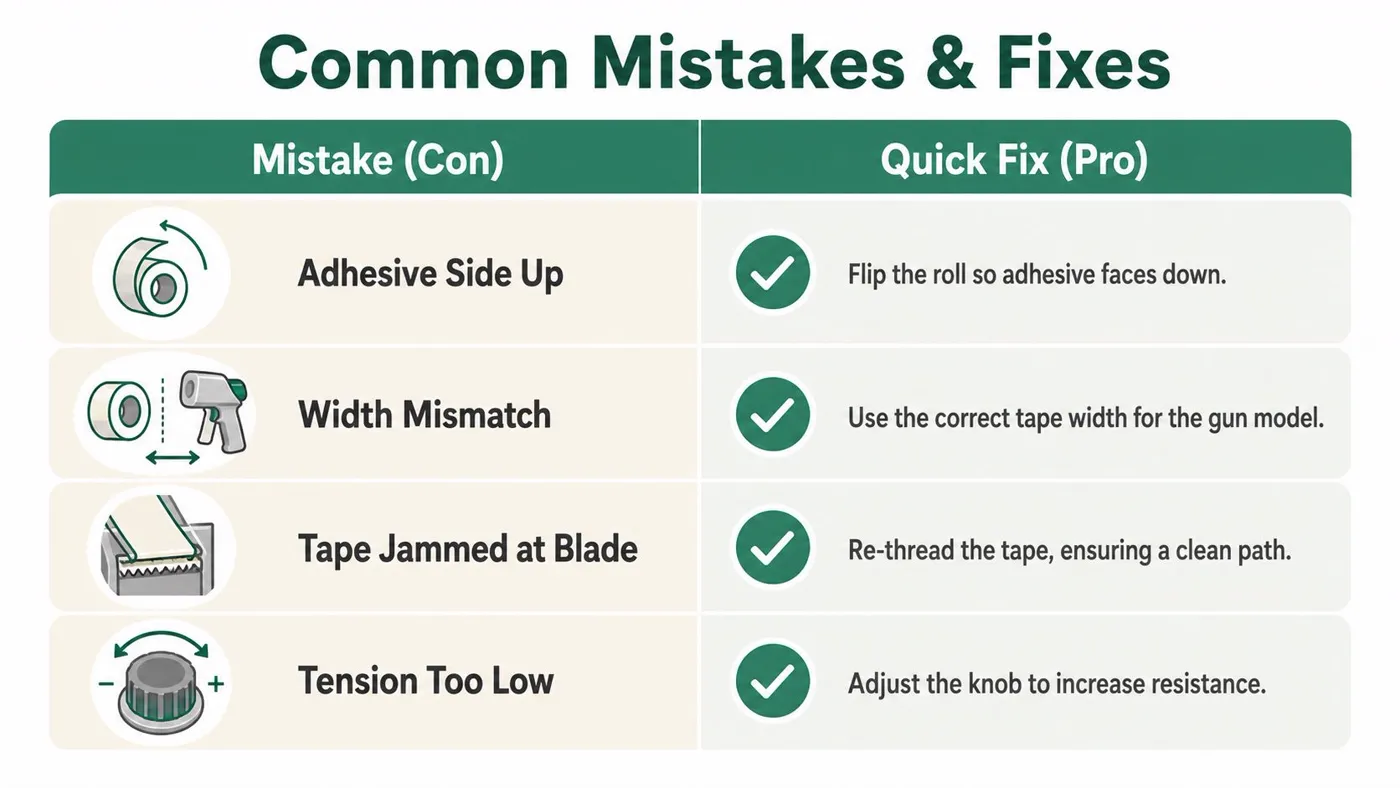
| Mistake (Con) | Quick Fix (Pro) |
|---|---|
| Adhesive side up | Flip the roll so the adhesive faces down. |
| Width mismatch | Use the correct tape width for the gun model. |
| Tape jammed at blade | Re-thread the tape, ensuring a clean path. |
| Tension too low | Adjust the knob to increase resistance. |
What the symptoms look like on the bench
If the roll is loaded the wrong way, the tape usually feeds backwards and the cut edge comes off unevenly. The operative may still be able to pull tape, but the seal looks messy and the leader won't sit where the blade expects it to sit. That's a loading fault, not a product fault.
A width mismatch is usually obvious because the tape rides awkwardly in the frame or doesn't sit neatly against the blade. If the tape is too narrow or too wide for the gun, the cut becomes unreliable and the roll may not track straight through the path.
Sticky residue is another recurring problem. When adhesive builds up on the roller, the tape drags instead of gliding, and the operator feels extra resistance on every pull. A dry wipe is the fastest first response, but a gun with a bent roller, a sprung serrated edge, or a tension knob that no longer grips should be taken out of service.
Retire the tool if the mechanism won't hold adjustment. Forcing a damaged gun through another shift usually creates more waste than replacing it.
For a team that needs a quick recovery, the rule is simple. Stop, inspect the feed path, clear the build-up, and reset the roll before another carton goes through.
Matching Tape Choice to Your Dispenser and Dispatch Goals
A dispatch bench can only move as fast as the tape gun in the operative's hand. If the dispenser and roll do not match, the line slows, the cut goes ragged, and people start compensating with extra pull pressure or a second strip. Standard PVC and polypropylene tapes are the usual fit for hand-held guns because they are built for that kind of carton work, while self-adhesive paper tape can also run well if the roll width suits the dispenser and the feed is set up properly. Gummed paper is the different case, because it needs a water-activated dispenser rather than a standard tape gun.
| Tape Type | Fits Standard Hand-Held Dispensers? | Watch-Out |
|---|---|---|
| PVC | Yes | Needs the width to match the blade and frame. |
| Polypropylene | Yes | Tension may need a steadier hand than softer films. |
| Self-adhesive paper | Yes | Can need a firmer tension setting. |
| Gummed paper | No | Needs a water-activated dispenser. |
For UK teams comparing materials, packing supplies for moving is the kind of buying category that keeps tape decisions tied to cartons, mailers, and protection, instead of treating the gun as an isolated purchase. That matters on a busy dispatch floor, because the tape has to suit the pace of packing as well as the box being sealed.
Choosing for the job, not for habit
A standard hand-held gun is still the right tool for a lot of day-to-day despatch work, especially where the operator needs a familiar loading routine and a clean first cut. Paper tape is more attractive where a site wants to cut plastic use, but it still needs the same width match and a sensible tension setting if it is going to feed properly in the hand. That is why the earlier adjustment step is not just tidying up the roll, it sets the gun up for the tape you have chosen.
For teams building a standard across shifts, the decision is not just tape type, it is dispenser type, tape width, and how much resistance the roll should give as it feeds. A narrow roll in the wrong frame will wander, a heavy film on a loose setting will drag, and an eco-friendly option only helps if the operative can seal cartons without fighting the tool. If you are comparing brands and formats, check the available packaging tapes alongside the gun model before you lock in a site-wide routine.
In practice, the best setup is the one that seals cleanly, suits the carton mix, and lets the team move without reworking the same box twice. That is the standard worth aiming for on a UK packing line.
Keeping Your Tape Gun in Working Order Between Shifts
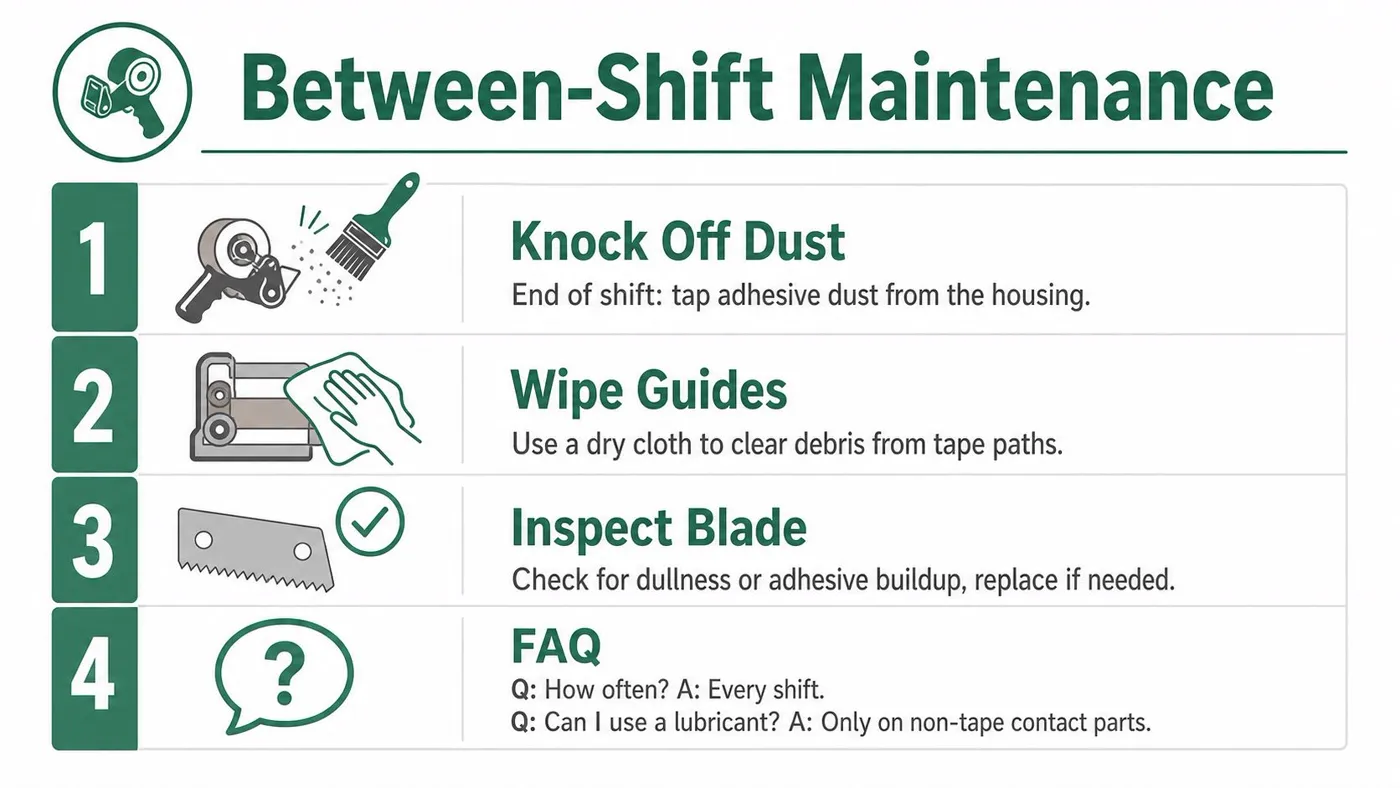
A tape gun lasts longer when the end-of-shift routine stays plain and repeatable. Knock adhesive dust off the roller, wipe the gate with a dry cloth, and store the gun flat so the spindle is not bent by careless stacking on the bench or in the cage. If the cut starts tearing instead of breaking cleanly, check the blade strip before the next run starts.
A short routine that prevents longer interruptions
That quick clean-down is enough for most guns used on a steady dispatch floor. It keeps the feed path clear, so the next operative starts with a tool that is ready rather than half-clogged with yesterday's residue. It also helps the team standardise what goes on the bench, whether the line uses conventional packing tape or paper-backed options chosen for a lower-plastic routine.
The useful checks are practical ones. Heavy-duty tape can put extra strain on a standard gun if the width or tension is off, a backwards-loaded roll usually shows itself by unwinding the wrong way, and a tension knob that turns freely without gripping normally means the mechanism has worn. Once that happens, replacing the gun is cleaner than trying to nurse it through another shift.
For teams that want one buying line for the whole dispatch area, Packaging Panda carries carton-sealing, paper, and standard hand-held formats that suit everyday warehouse use. A stable tape setup starts with the right roll, then stays reliable because the same loading habit is used every time.


