Boxes for Bottles: A Practical UK Buyer's Guide
A three-bottle order can leave a small drinks business with a deceptively simple problem. The carton may look the right size, yet one bottle shifts on a courier conveyor, knocks against a neighbour, and arrives with a chipped shoulder or broken glass. The seller then pays for a replacement, handles a disappointed customer and sends another parcel through the network.
Choosing boxes for bottles is therefore more than matching an internal measurement to a bottle silhouette. The outer case, board grade, divider system, void control, sealing method and reporting requirements all affect the result. This guide treats bottle packaging as a practical UK engineering decision, shaped by order type, courier handling, breakage risk and the current compliance environment.
Table of Contents
- Why Choosing the Right Boxes for Bottles Matters
- Main Types of Boxes for Bottles and Their Uses
- Board Grades and Strength Ratings Explained
- Dividers, Inserts and Internal Protection
- Sustainable Materials and UK Compliance
- Custom Printing and Minimum Order Quantities
- Packing Steps and Courier Constraints
- Cost-Saving Tips and Buying Workflow
Why Choosing the Right Boxes for Bottles Matters
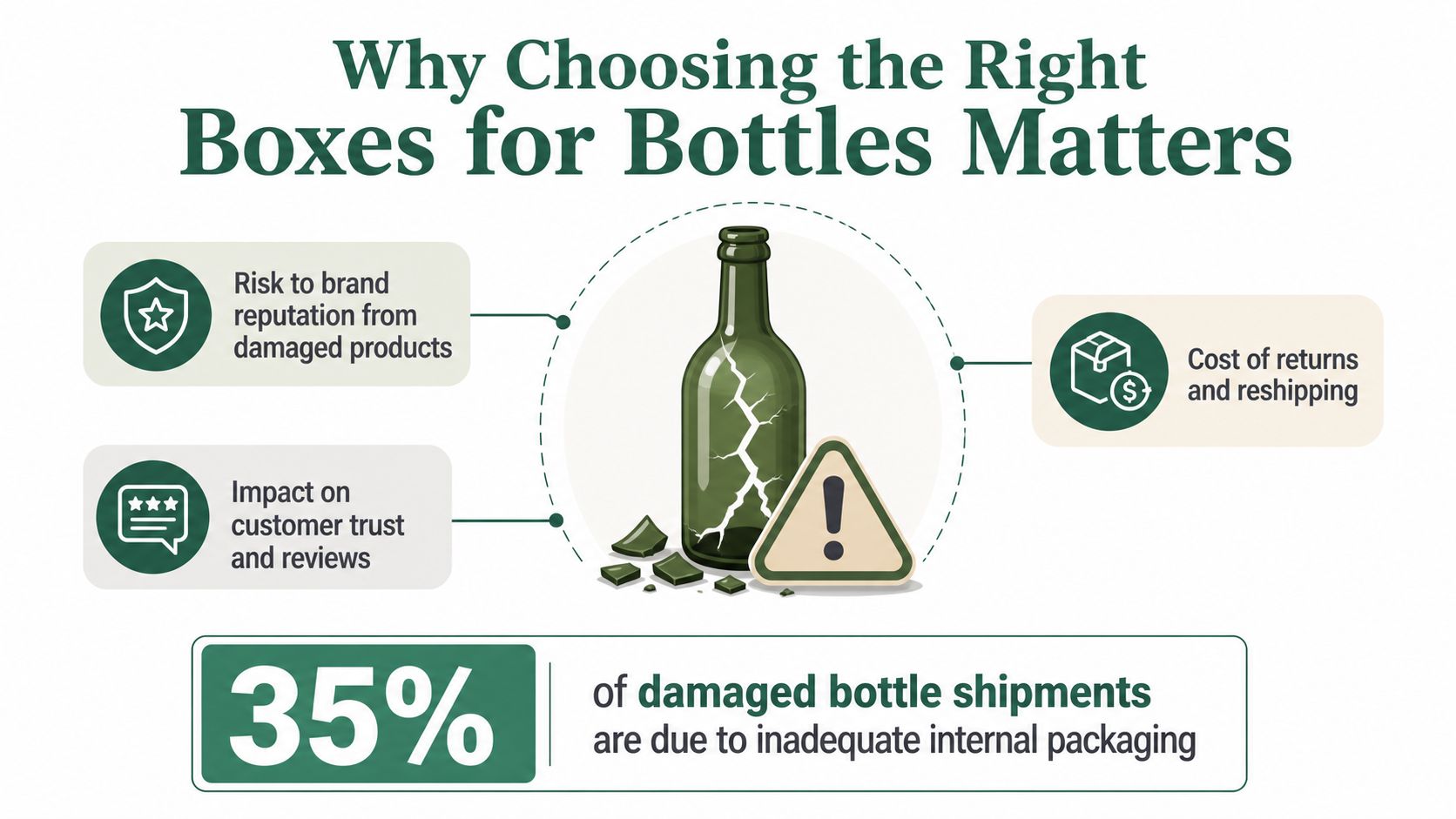
A small Yorkshire distillery owner might watch a courier place a parcel containing three craft gins on the doorstep. From outside, the box appears undamaged. Inside, one bottle has moved far enough to chip another. The resulting cost isn't limited to the liquid and packaging. It can include collection, refund administration, reshipping and the loss of confidence that makes a customer less likely to order again.
UK parcel networks expose poorly packed bottles to repeated handling, conveyor movement and side impacts. A box designed only to hold the bottles can fail because it leaves too much room around the shoulders, allows the bases to move or relies on a thin carton to resist compression. A gift pack also needs to create a complete presentation experience, not just keep glass intact. For ideas on how packaging can contribute to that wider presentation, sellers can review this guide to a complete experience in a gift box.
Damage starts with the order pattern
Single-bottle parcels usually need controlled movement and cushioning around one container. Multi-bottle orders create a different failure pattern because bottles can collide with one another, particularly when a mixed case contains different heights, weights or shoulder shapes.
UK delivery evidence shows why this distinction matters. One study reported that 47% of consumers received damaged goods in the previous 12 months, with an estimated annual cost of £8 billion and an average damage value of £115 per item. The same source is useful for understanding the commercial impact of damage, not merely the mechanics of a broken bottle, according to this UK damage analysis.
A 2026 UK fulfilment case study found that 75% of wine and spirits damage was linked to multi-bottle orders, while the top SKUs accounted for 54% of damages and the worst-performing SKU recorded a 14.3% damage rate. Those figures point to a practical buying rule: packaging should be tested against the products and order combinations that cause problems, rather than selected from a generic bottle-size chart.
Practical rule: A box that fits a bottle isn't necessarily a box that survives a courier route.
The right specification balances protection with material use. UK packaging guidance requires packaging to use the minimum weight and volume needed to keep the product safe and hygienic, while heavy-metal concentration must remain within 100 ppm for cadmium, mercury, lead and hexavalent chromium. That makes overbuilt packaging wasteful, but underbuilt packaging equally poor practice because breakage creates replacement packaging and another delivery.
Main Types of Boxes for Bottles and Their Uses
Bottle packaging works best when the format follows the product and the order. A narrow single-bottle gift carton isn't a smaller version of a wine shipper. It has a different job, a different opening experience and a different tolerance for internal movement.
Single-bottle gift boxes suit wine, craft gin and small-batch whisky where presentation matters. A crash-lock base can speed packing, while a fitted neck or insert prevents the bottle from sliding during handling. Multi-bottle shippers are built for transit first, with corrugated trays and cell dividers separating the contents.
Match the box to the bottle family
Wine bottles vary considerably in shoulder width and body profile. Burgundy, Bordeaux, Alsace and Champagne formats shouldn't share a divider specification without checking the internal clearances. A bottle that sits securely in a Bordeaux cell may rattle in a wider Champagne cell, or press against the divider in a narrow format.
Beer and cider cases often use locked apertures or partitioned trays. The design may accommodate 330 ml and 500 ml bottles or cans, but the packer still needs to confirm the exact diameter and height. Spirits cases must handle heavier 70 cl and 1 litre formats, where a stronger board and more substantial base restraint can matter more than decorative finish.
Cosmetic and oil packaging has its own requirements. Slim 30 ml to 60 ml containers can need narrow compartments, leak-resistant secondary containment and tamper-evident closure rather than the deep cells used for wine. Guidance on 10 mL vial compatibility with bacteriostatic water illustrates why small glass containers need their own dimensional checks rather than being treated as miniature spirits bottles.
| Format | Bottle Count | Typical Outer Dimensions (mm) | Best-Fit Use |
|---|---|---|---|
| Single-bottle gift carton | 1 | 90 x 90 x 300 | Wine, gin and whisky gifting |
| Compact wine shipper | 2 | Product-dependent | Mixed bottles and small orders |
| Three-bottle shipper | 3 | Product-dependent | Curated wine or spirits selections |
| Standard wine case | 6 | Product-dependent | Retail and direct-to-consumer dispatch |
| Full wine case | 12 | Product-dependent | Trade orders and consolidated shipments |
| Beer or cider case | 4 to 24 | Product-dependent | Bottles or cans in fixed configurations |
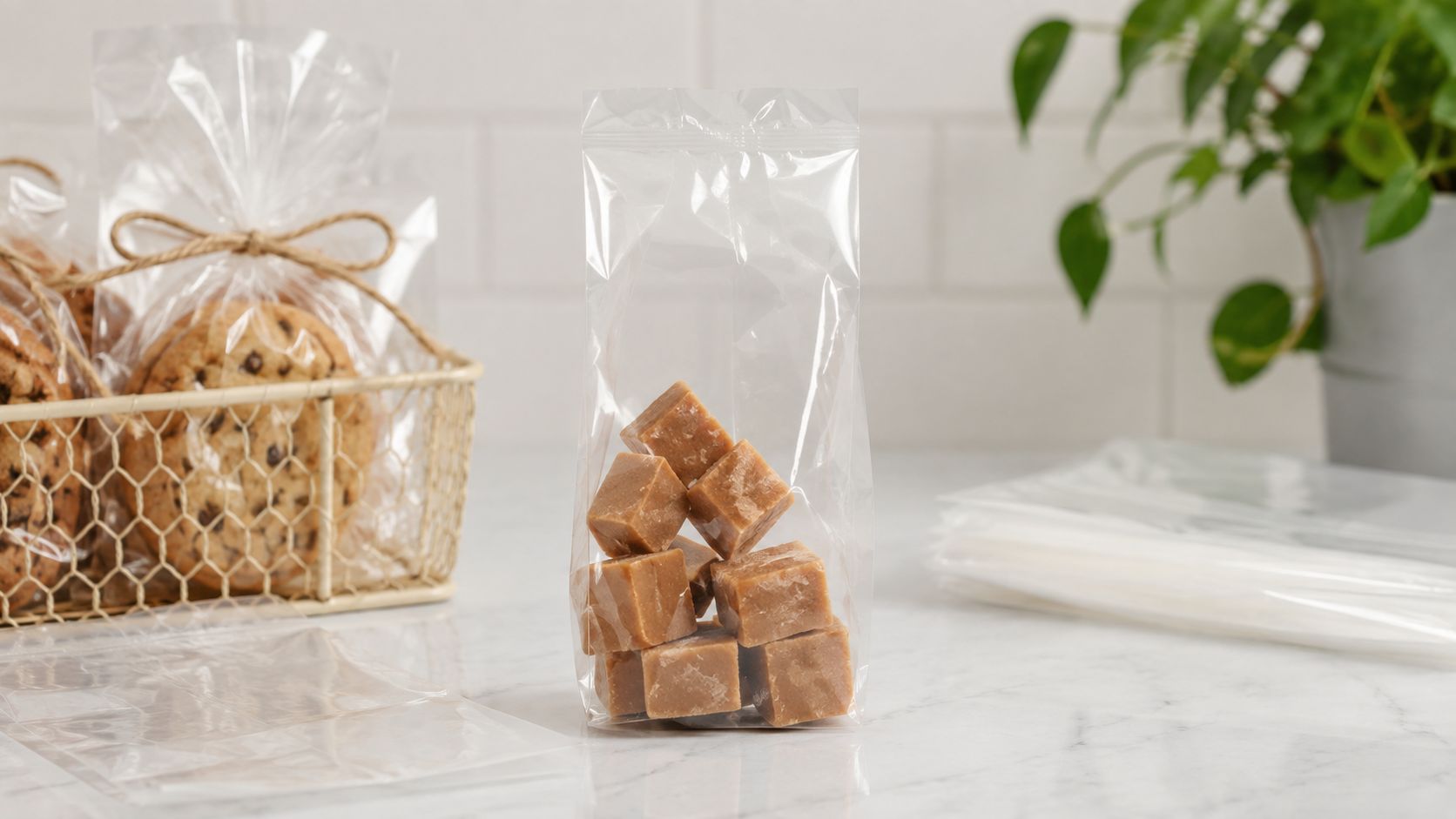
Clear Cellophane Bags can support retail display, gift packaging and food presentation, with compostable options available. They aren't a substitute for a transit-rated bottle shipper, but they can form part of a presentation layer where the protective carton does the structural work.
Board Grades and Strength Ratings Explained
Board selection is where buyers often make one of two expensive mistakes. They either pay for a heavy case that adds material and transport cost to a light parcel, or they choose a thin carton that cannot tolerate the weight and movement of a multi-bottle shipment.
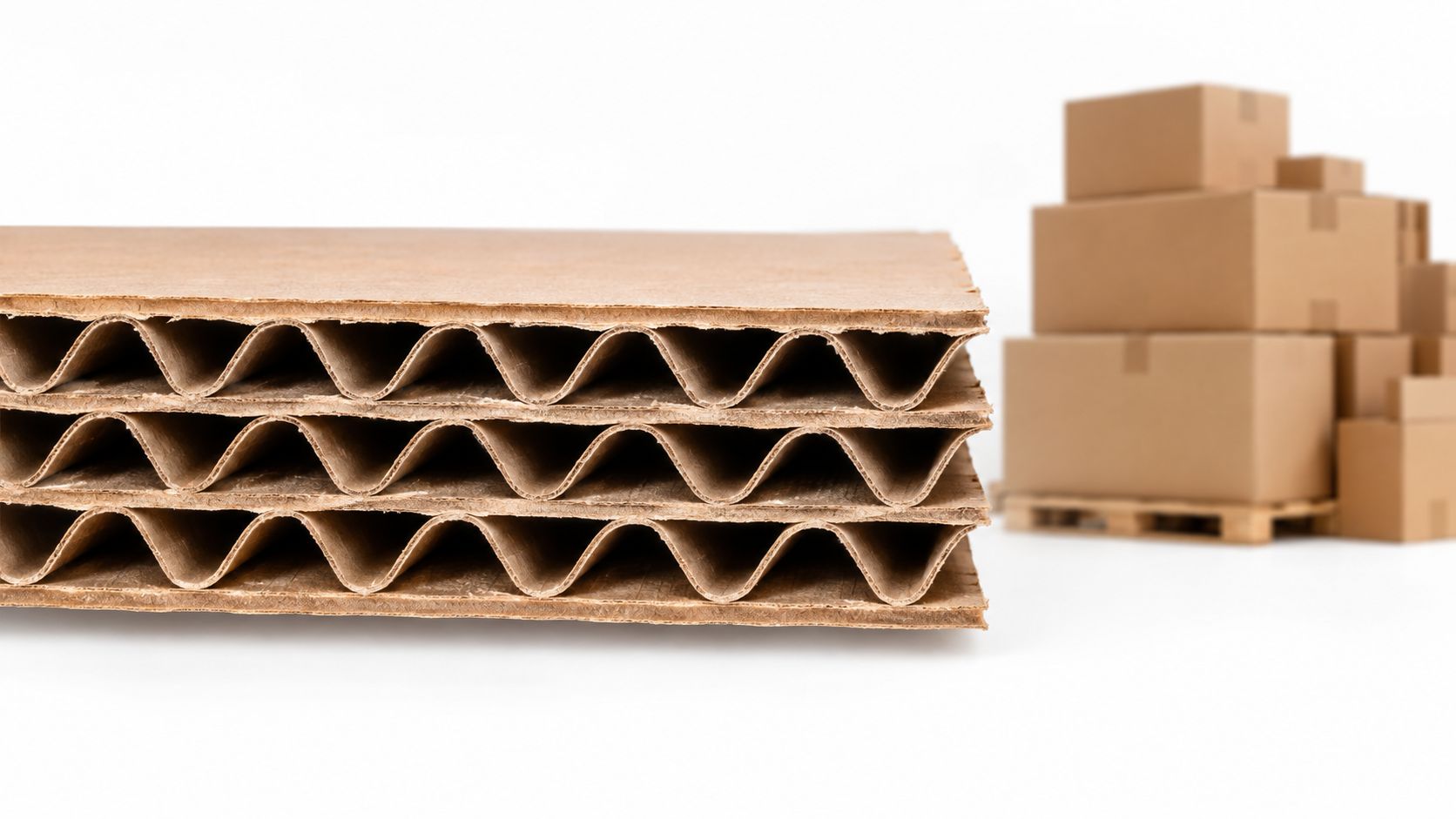
Single-wall corrugated board is often suitable for a single bottle on a controlled domestic route when the internal fit is good. Double-wall construction provides more resistance to compression and vibration for multi-bottle orders, heavier spirits and longer journeys. Triple-wall cases belong to demanding applications such as export, heavy cases and distribution through several logistics hubs.
Compare the construction before comparing the price
Flute choice changes how the board behaves. B-flute offers a relatively compact profile for mailers and gift cases. EB and BC constructions add depth and stiffness, which can help when the box needs to resist stacking pressure or protect heavier contents. The box maker should assess the complete pack, including liners, dividers and closure, rather than quoting flute alone.
The Edge Crush Test, or ECT, rating is a useful specification to request because it relates to the board's resistance to crushing along its edge. A supplier may also quote burst strength, sometimes called the Mullen test. That measure can provide useful information, but it shouldn't replace a review of the box's actual load, dimensions and handling route.
The planning notes below use the requested working categories for comparing constructions. They should be treated as specification prompts, not universal guarantees, because bottle shape, moisture, stacking and internal fit can change performance.
| Board Construction | Flute Type | Approx. Thickness | ECT Rating | Total Pack Weight | Recommended Use |
|---|---|---|---|---|---|
| Single-wall | B-flute | Around 3 mm | ECT-32 | Light single-bottle packs | Single-bottle domestic mailers |
| Double-wall | EB-flute | Around 6 mm | ECT-44 | Multi-bottle packs | Standard wine and mixed-bottle shipping |
| Double-wall | BC-flute | Around 6 mm | ECT-44 | Heavier multi-bottle packs | Spirits and longer courier routes |
| Heavy-duty double-wall | EB or BC | Around 6 mm | ECT-51 | Heavy cases | Export and robust spirits cases |
| Triple-wall | Multi-flute | Product-dependent | Heavy-duty specification | High-load consignments | Export and demanding hub networks |
Dangerous-goods small-container guidance creates another practical constraint in Great Britain. Government guidance states that bottles may be packed in boxes with a maximum gross weight of 30 kg, while shrink-wrapped trays have a 20 kg maximum. The corrugated case, divider system and void-fill must therefore protect the load without pushing the parcel beyond the relevant transport limit, as explained in this UK bottle damage and packaging guidance.
Dividers, Inserts and Internal Protection
Most multi-bottle failures begin inside the carton. A strong outer case can't prevent damage if bottles can move vertically, collide at the shoulders or transfer impact through a poorly fitted divider.
Corrugated slot dividers remain the practical default for standard wine formats. They separate bottles, add modest stiffness and can be produced for two, three, six or twelve-bottle layouts. They also pack flat, which helps storage and assembly. Their weakness appears when the bottles are unusually heavy, tall, narrow or inconsistent in shape.
Moulded pulp inserts offer more complete support around the body and base. They can suit premium presentation and heavier glass, although their additional material and dimensional volume can raise the unit cost. Expanded polystyrene blocks can provide strong cushioning, but buyers should check the end-of-life route and whether the material fits the business's sustainability requirements.
Protection should follow the failure mode
A local delivery of standard 750 ml wine bottles may work well with a single-wall case and slot dividers if the cells hold the bottles firmly. A longer route containing heavy 1 litre spirits or olive oil bottles needs a more conservative configuration, often combining double-wall board with corrugated or moulded inserts.
Air pillows are useful for closing a small void around a fitted inner pack. They shouldn't be the primary restraint for glass because they can move, deflate or leave the bottle bases unsupported. Paper void-fill has a similar limitation when used without a proper cell system.
UK damage evidence makes multi-bottle testing particularly important. The earlier fulfilment findings linking 75% of wine and spirits damages to multi-bottle orders show why a supplier should test mixed-SKU combinations instead of approving only a single bottle in isolation.
| Protection Type | Protection Level | Relative Cost | Best Use |
|---|---|---|---|
| Corrugated slot divider | Moderate | Lower | Standard bottles in regular layouts |
| Moulded pulp insert | High | Medium to higher | Heavy, premium or irregular bottles |
| Expanded polystyrene block | High | Medium | High-impact protection where disposal is managed |
| Paper void-fill | Low to moderate | Lower | Closing small gaps around a fitted pack |
| Air pillows | Low as primary protection | Lower | Light gap filling, not bottle restraint |
| Corrugated sleeve system | Moderate to high | Medium | Mixed formats needing separation and structure |
For specialist shapes, a supplier can also assess honeycomb bottle sleeves as an alternative internal format. The decision should rest on cell stability, pack weight, storage efficiency and disposal arrangements, rather than appearance alone.
Sustainable Materials and UK Compliance
Sustainability claims on bottle packaging need to survive practical scrutiny. A carton described as recyclable may still create problems if its coating, foil, adhesive or mixed-material insert prevents the intended collection route. Conversely, a heavier protective pack may reduce waste overall if it prevents a failed delivery and replacement shipment.
UK packaging law has made this a procurement issue. The Packaging Waste (Data Reporting) (England) Regulations 2023 came into force on 28 February 2023, and define a drink container as a sealed, non-reusable bottle made from PET plastic, glass, steel or aluminium, holding 50 millilitres to 3 litres, as set out in the UK drink-container regulations. The Deposit Scheme for Drinks Containers (England and Northern Ireland) Regulations 2025 separately classify relevant single-use closed bottles and cans from 150 millilitres to 3 litres for the upcoming deposit-return framework.
Ask what happens after use
For bottle-box buyers, the outer carton, inserts and transit components need to be considered separately. Useful supplier questions include:
- Board source: Is the carton virgin fibre, recycled fibre or a blend, and is any certification available?
- Print system: Are inks water-based, and does the design use foil blocking or a coating that affects recycling?
- Adhesives: Do glues or laminates change the intended kerbside route?
- Testing: Which recyclability or compostability test method supports the claim?
- Customer disposal: Can the recipient dispose of the material through a realistic local route?
The UK government's packaging guidance requires packaging to use the minimum necessary weight and volume and sets a 100 ppm limit for the specified heavy metals. It also states that packaging designed for energy recovery must contain at least 50% organic material, such as paper, wood or cardboard, according to the packaging essential requirements guidance.
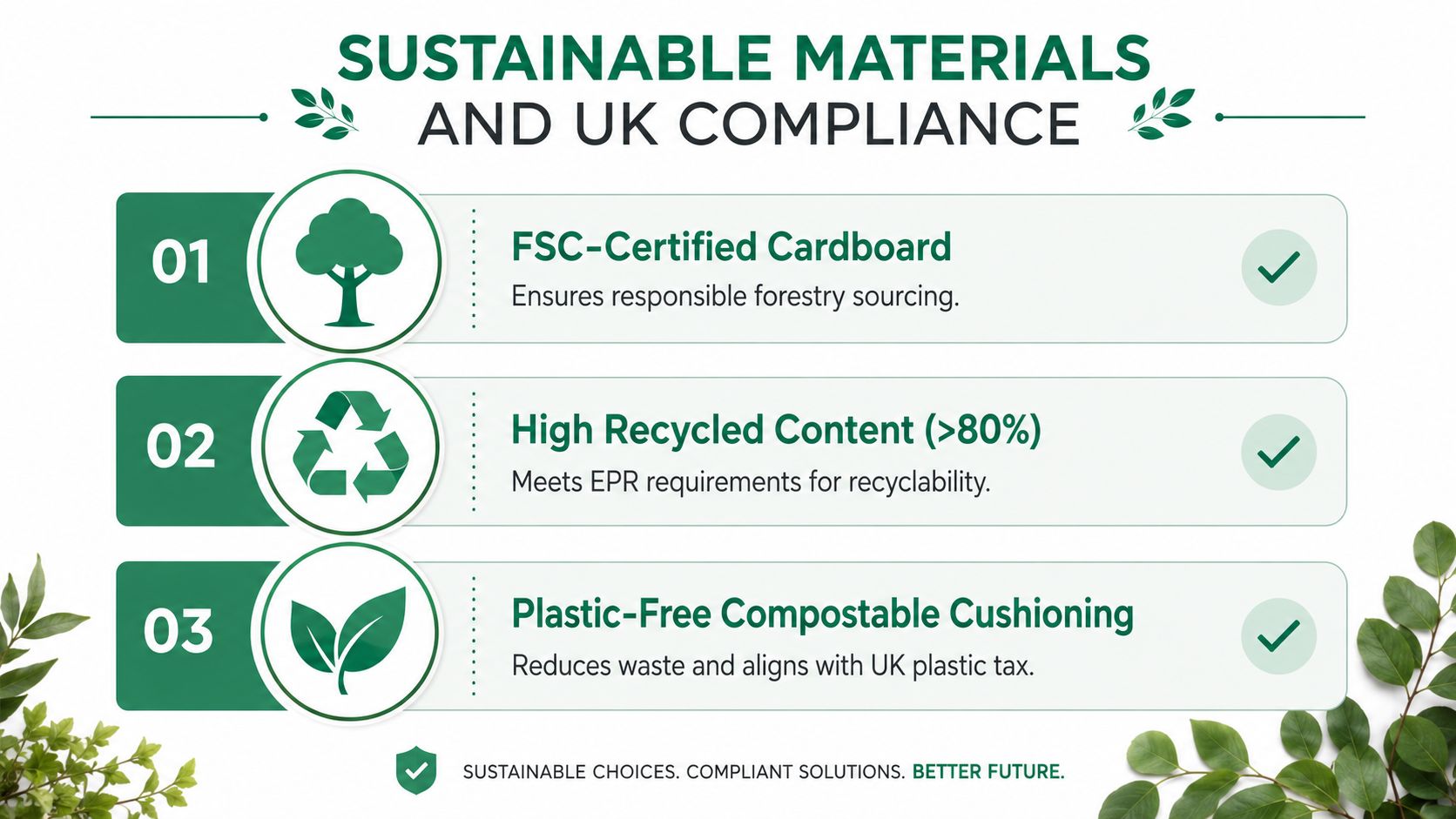
Fibre-based board, including kraft corrugate and recycled-content board, is usually the most straightforward starting point for e-commerce. Mycelium or specialist bio-based inserts can make sense where the end-of-life route is clear, but they shouldn't be specified only for a sustainability label. Practical advice on recyclable cardboard boxes can help buyers compare material claims with actual disposal needs.
EPR turns design into administration
The Producer Responsibility Obligations (Packaging and Packaging Waste) Regulations 2024 apply across England, Wales, Scotland and Northern Ireland. From 1 January 2025, liable producers must assess the recyclability of relevant household packaging, packaging commonly disposed of in public bins and household glass drinks containers. Packaging receives a red, amber or green rating, and that rating affects the disposal fee, as described in the UK recycling assessment methodology.
The regulations include exclusions, including reused packaging unless imported into the UK, exported packaging, certain PET, steel and aluminium drinks containers, in-scope deposit-return containers and non-household packaging. Businesses should therefore classify their bottle boxes by use, material and destination instead of making a broad “eco” claim.
UK packaging recycling targets for 2024 were 83% for paper, 82% for glass, 69% for aluminium, 87% for steel, 61% for plastic, 42% for wood and 80% overall, according to government packaging producer responsibilities. Producers also need ongoing records, six-monthly packaging reports, annual reporting, PRNs or PERNs, certificates of compliance and required data retention for seven years, as set out in the extended producer responsibility collection.
Custom Printing and Minimum Order Quantities
Printed bottle packaging can improve recognition and make a delivery feel more deliberate, but print only pays when the volume and use justify the setup. A plain transit case with a well-designed label can outperform a custom carton when the seller has several seasonal products or uncertain demand.
Digital printing suits shorter runs and changing artwork because it avoids traditional plate setup. Flexographic printing becomes more attractive as repeat volume increases, while litho-laminated board supports detailed presentation work but usually involves more tooling, planning and production commitment.
Choose the print method around demand
The following ranges are practical buying categories rather than guarantees. A manufacturer may adjust them according to board, dimensions, colours and finishing.
| Print Method | Typical MOQ | Lead Time | Best Use |
|---|---|---|---|
| Digital | Around 25 to 250 units | Shorter and flexible | Seasonal launches and small brands |
| Flexo | Roughly 500 to 5,000 units | Planned production | Repeat transit packaging |
| Litho-laminated | 1,000 upwards | Longer and more structured | Premium retail and gifting |
A small brewery or cosmetics business shipping a modest number of cases each month can struggle to justify a large litho run, especially when artwork changes across flavours or collections. A larger wine merchant dispatching 5,000 or more cases a year may recover tooling and design costs through stronger shelf presence and a more consistent delivery experience.
The commercial test is straightforward:
- Use custom print when the box is visible at point of sale or unboxing, repeats across SKUs and supports reliable demand.
- Use plain stock when orders are ad hoc, seasonal or split across many formats.
- Use a label or stamp when the brand needs flexibility without committing to a long production run.
Guidance on custom printed cardboard boxes can help businesses assess artwork, material and run-size decisions before requesting quotations.
Packing Steps and Courier Constraints
A reliable packing routine reduces variation between warehouse staff and makes damage investigations easier. The sequence should control the bottle before the carton is sealed, not rely on a fragile label to compensate for loose contents.
A repeatable packing sequence
- Check the bottle: Confirm the closure is secure and look for leaks, dents or damaged glass before packing.
- Protect each unit: Use the specified sleeve, wrap or fitted insert around every bottle.
- Build the cell grid: Place bottles into dividers so bodies and shoulders can't touch.
- Control vertical movement: Add suitable top protection where the bottle can rise or settle.
- Fill small voids: Use paper or air pillows only to close remaining gaps, not to replace dividers.
- Seal with H-tape: Tape the centre seam and both edges to improve carton integrity.
- Label accurately: Apply handling marks where they support the carrier process, but don't treat a fragile label as a guarantee of special handling.
Courier limits vary by service, account and parcel format. A warehouse should check the current tariff before standardising a carton, particularly for liquids, unusual dimensions and heavier consignments. The combined length-and-girth rule can also create a size-band change even when the carton doesn't look especially large.
| Carrier | Max Weight | Max Length | Combined Limit | Liquid Rules |
|---|---|---|---|---|
| Royal Mail | Service-dependent | Service-dependent | Service-dependent | Check current service terms |
| DPD | Account and service-dependent | Account and service-dependent | Account and service-dependent | Check liquid acceptance rules |
| Yodel | Account and service-dependent | Account and service-dependent | Account and service-dependent | Confirm packaging and labelling requirements |
| Evri | Account and service-dependent | Account and service-dependent | Account and service-dependent | Confirm current liquid terms |
Parcels containing liquids may also have orientation restrictions. A packer should review the chosen carrier's instructions rather than assuming that “this way up” markings will control every stage of handling. For air-freight orders leaving the UK, dimensional weight can make a large, lightly filled carton more expensive than its scale weight suggests, which is another reason to right-size the outer case.
Cost-Saving Tips and Buying Workflow
The cheapest carton price isn't the same as the lowest packaging cost. A thin case that causes breakage, a large carton that attracts dimensional charges or a specialist insert that sits unused in storage can all raise the actual cost per successful delivery.
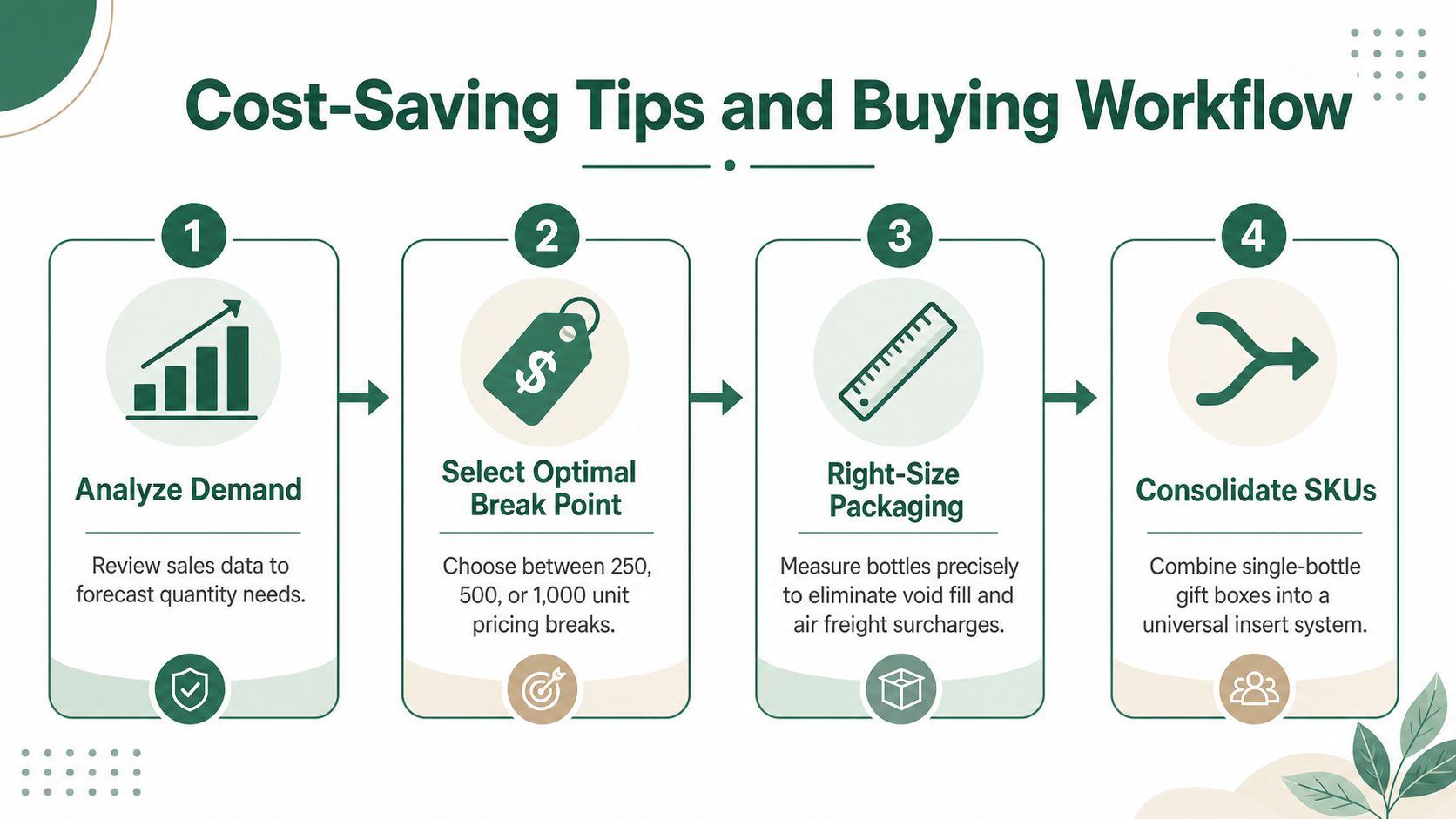
Volume breaks can reduce unit cost when the demand is stable. Buying in 250, 500 or 1,000-unit breaks may make sense, but only if the cartons can be stored dry and the design won't change before the stock is used. Businesses should also compare a universal multi-bottle insert with several single-bottle gift formats, particularly when the same bottle family appears across different orders.
Reusing clean transit cases on B2B routes can reduce material consumption, provided the boxes remain structurally sound and the receiving customer accepts the format. Right-sizing can reduce void-fill use and transport volume, but it shouldn't remove the internal restraint that protects the glass.
The buying workflow should stay evidence-led:
- Measure every bottle, including body, shoulder, neck, closure and base.
- Audit damage by order type, separating single-bottle, mixed-SKU and full-case shipments.
- Sample two board grades, using the same internal protection in each trial.
- Run a 200-unit pilot, checking damage, packing time, material use and customer feedback.
- Commit to stock holding only after the pilot, with agreed board, insert and replenishment specifications.
The pilot should include the route that causes the most damage, not just the easiest local delivery. It should also record whether the carton remains within the intended carrier and dangerous-goods limits, since a packaging change can affect both protection and compliance.
Packaging Panda supplies UK businesses with recyclable cardboard boxes, protective packaging, tapes and made-to-order packaging options for dispatch and fulfilment. Visit Packaging Panda to compare suitable packaging materials, review practical guidance and request a specification that matches the bottles, order pattern and courier route.