Affordable Bespoke Hat Boxes in the UK: 2026 Guide
A lot of UK product businesses reach the same point at roughly the same time. Sales start to look serious, customers are posting unboxing clips, and the plain stock carton that felt sensible at launch suddenly looks like the weakest part of the brand.
Hat sellers feel that pressure earlier than most. A hat isn't easy to pack, it scuffs, it loses shape, and it can look expensive online but ordinary on arrival if the packaging feels generic. That's where bespoke hat boxes stop being a nice extra and start becoming a margin decision. The box price matters, but so do courier costs, warehouse space, damage risk, and whether the packaging helps justify the retail price.
Small businesses often hesitate because bespoke sounds expensive, slow, and hard to manage. In practice, the biggest savings usually come from the decisions made before the order goes to print. Good sizing reduces waste. Smarter board choice avoids overpaying for unnecessary heft. Simpler branding can look more premium than a busy print job. Teams using digital merchandising and AI tools for e-commerce fashion brands often discover the same thing across the wider customer journey. Better presentation usually works best when it's organised, not overcomplicated.
Table of Contents
- From Generic to Gift-Worthy Your First Steps
- Decoding the Jargon Board Grades Finishes and Fit
- Designing for Affordability Optimising Size and Print
- Strategic Sourcing MOQs Volume Breaks and Finding Partners
- Balancing Price Planet and Protection
- FAQ Your Bespoke Hat Box Questions Answered
From Generic to Gift-Worthy Your First Steps
A common scenario looks like this. A milliner has finally nailed the product, clean photography, strong reviews, repeat buyers, then gets stuck on packaging because every option seems to swing between too flimsy and too expensive. The cheapest route is usually a plain shipping carton with tissue. It works until the first dented brim, the first awkward gift order, or the first customer who expected a keepsake box and received a transit carton.
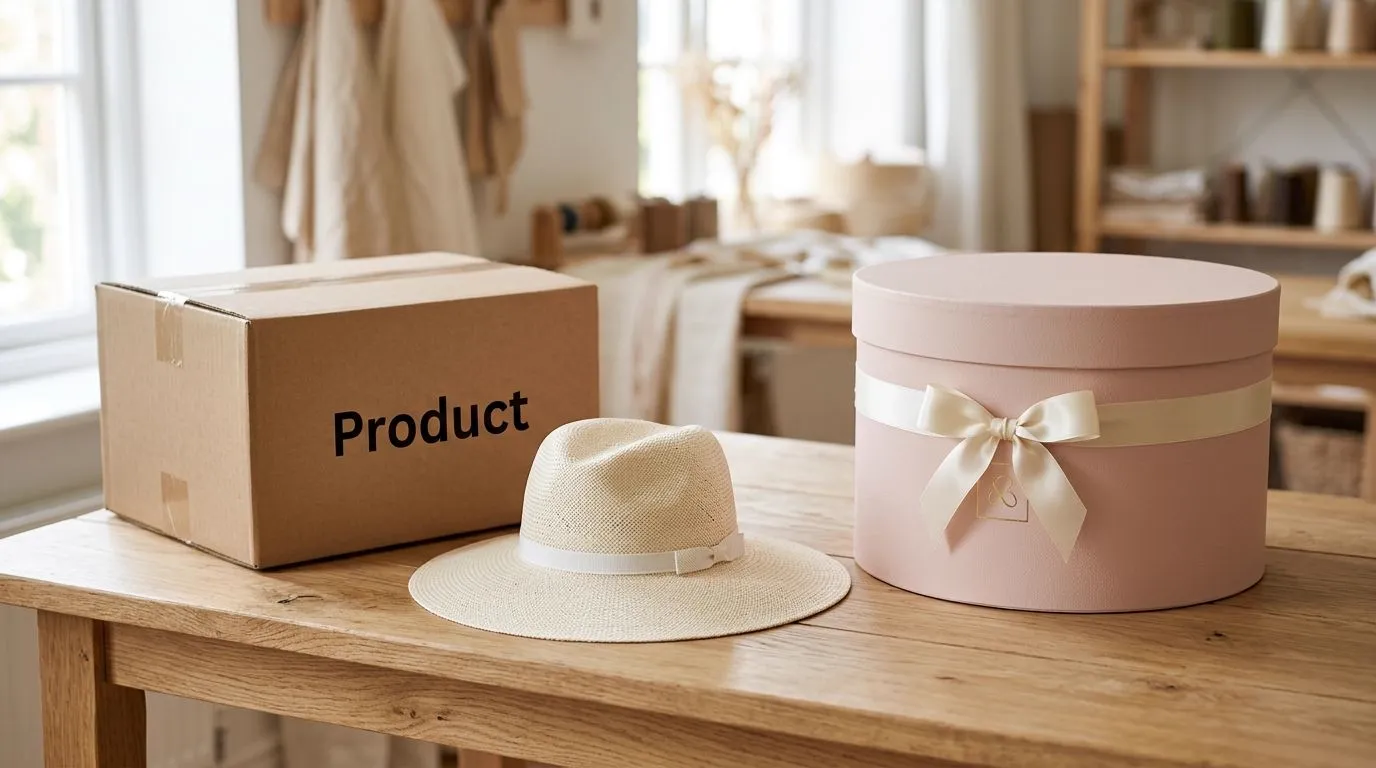
The first step isn't choosing colours or foil. It's deciding what job the box needs to do. Some businesses need a postal solution first and a display-worthy finish second. Others sell occasionwear, bridal accessories, or gifting lines where the box is part of the product. Those are different briefs, and they should never be priced the same way.
Start with the business model
Three questions usually clear the fog quickly:
- How is the hat sold: online, in-store, at events, or through wholesale.
- What must the box do: ship safely, sit on a shelf, store the product, or all three.
- What part of the brand story matters most: protection, presentation, sustainability, or repeat-use value.
A business sending single online orders every day needs a different answer from a boutique supplying display stock for weddings or race-day collections.
Practical rule: If the customer is likely to keep the box, the packaging is part of the product value, not just a dispatch cost.
Don't price the box in isolation
The box that looks cheaper on a quote sheet can cost more once the order is live. Oversized packaging takes up more shelf space, increases void fill, and can push awkward parcels into less efficient packing routines. A weak box can also trigger replacement work, customer service time, and rushed repeat shipments.
That's why bespoke hat boxes work best when they're treated as a profitability tool. The right specification helps a small brand look established, pack faster, and send fewer compromised orders. The businesses that get the best value usually don't start by asking for the cheapest box. They start by asking which specification avoids the most hidden cost.
Decoding the Jargon Board Grades Finishes and Fit
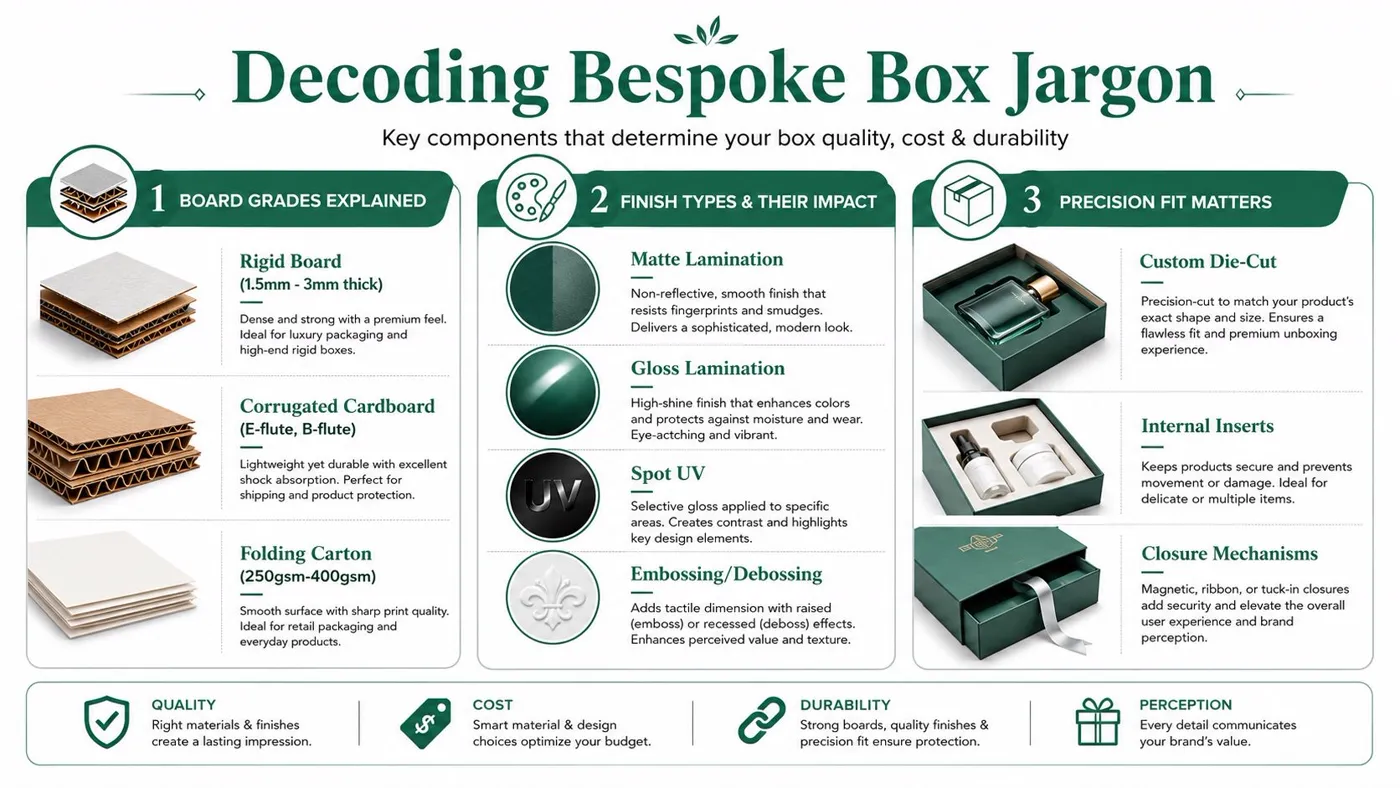
Most packaging quotes become confusing at the point where technical terms start replacing plain English. Board grade, rigid setup, corrugated strength, lamination, finish. None of that matters unless it helps a business choose the right level of protection without paying for extras that won't earn their keep.
What board language actually means
For hat packaging, board choice is where cost control and damage prevention meet. If a supplier is quoting greyboard or solid board, the detail to watch is rigidity. One verified trade benchmark notes that choosing board below 1200gsm for greyboard or solid board leads to a 30 to 40% higher incidence of crush damage than 1500gsm+ grades during warehousing and courier transit, according to custom hat box damage benchmarks.
That doesn't mean every hat box must be overbuilt. It means weak board in a premium format is false economy.
A practical way to think about the main materials:
| Board type | Best use | Main trade-off |
|---|---|---|
| Rigid greyboard or solid board | Luxury presentation, keepsake use, structured protection | Higher unit cost and more storage bulk |
| Corrugated construction | Postal protection and shipping resilience | Less premium in appearance unless finished well |
| Folding carton styles | Lightweight retail presentation | Often unsuitable for fragile structured hats |
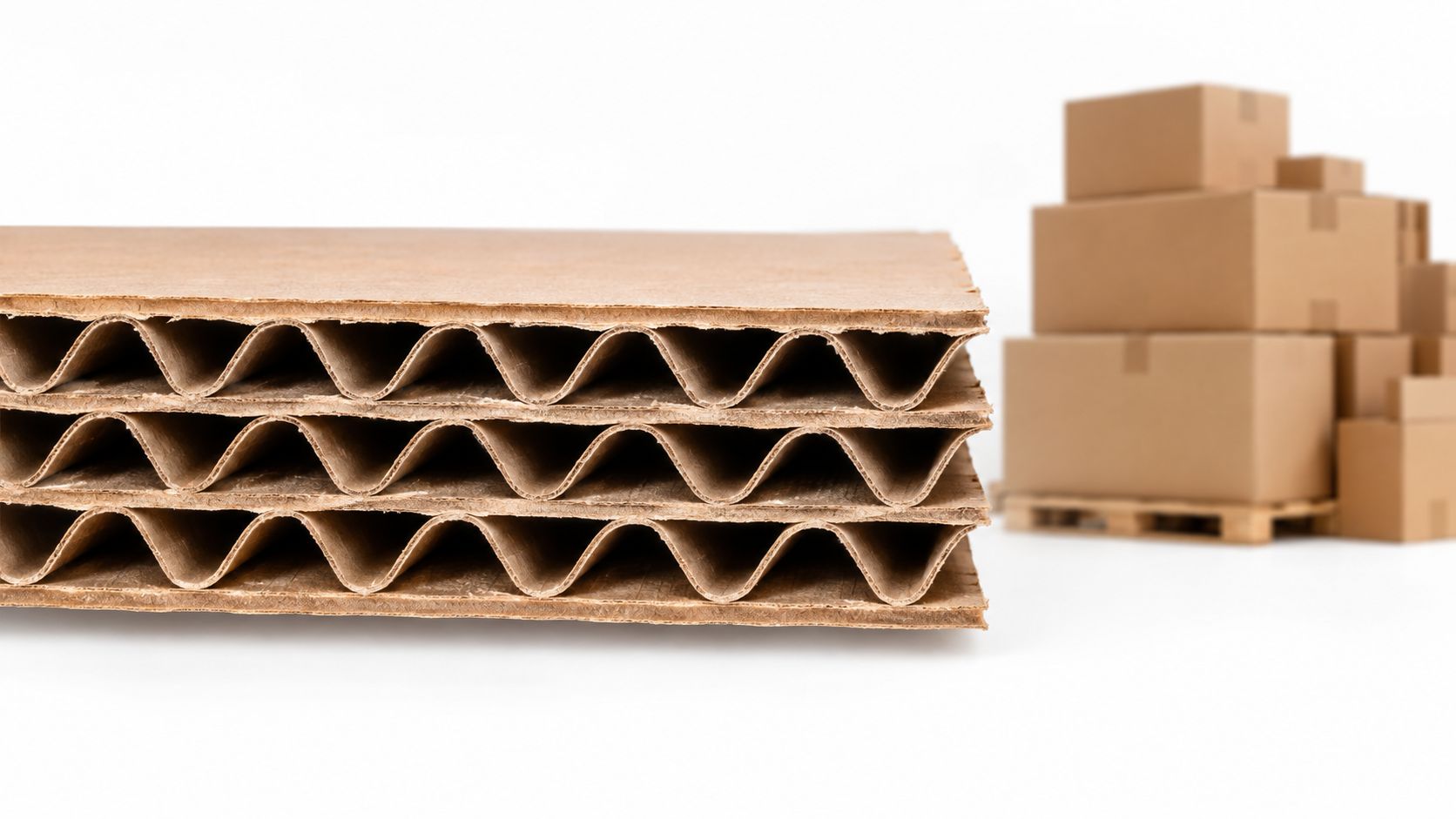
Three-layer corrugated construction can also be a sensible middle ground where shipping risk is high and presentation still matters. It's less about prestige on paper and more about whether the box arrives looking like the brand meant it to.
A useful benchmark for comparison is Wholesale Hat Boxes, which are offered in a wide range of colours, sizes and finishes for retail, gifting and display. That sort of range is helpful when a business wants to compare standard options before committing to a fully bespoke build.
Where finishes help and where they waste budget
Finishes change both perception and wear resistance. They also add cost quickly when too many are layered into the spec.
A lean approach usually works better:
- Matte lamination suits premium brands that want a quieter, more refined look.
- Gloss lamination adds visual pop and some scuff resistance, but it can look too loud for heritage or bridal positioning.
- Foil details work well when the logo is simple and the board colour is doing most of the visual work.
- Embossing or debossing adds tactile value, but it needs a design that benefits from texture rather than busy artwork.
A box doesn't need every embellishment available. It needs one clear visual idea executed properly.
Fit belongs in this conversation too. A beautifully printed box that allows the hat to move around during transit is still a weak specification. Inserts, snug dimensions, and closure style all affect whether the customer opens a polished package or a damaged one.
The strongest briefs are usually the simplest. Specify the hat type, expected transit conditions, whether the box doubles as gifting or storage, and the finish level the customer will notice. Everything else can be stripped back.
Designing for Affordability Optimising Size and Print
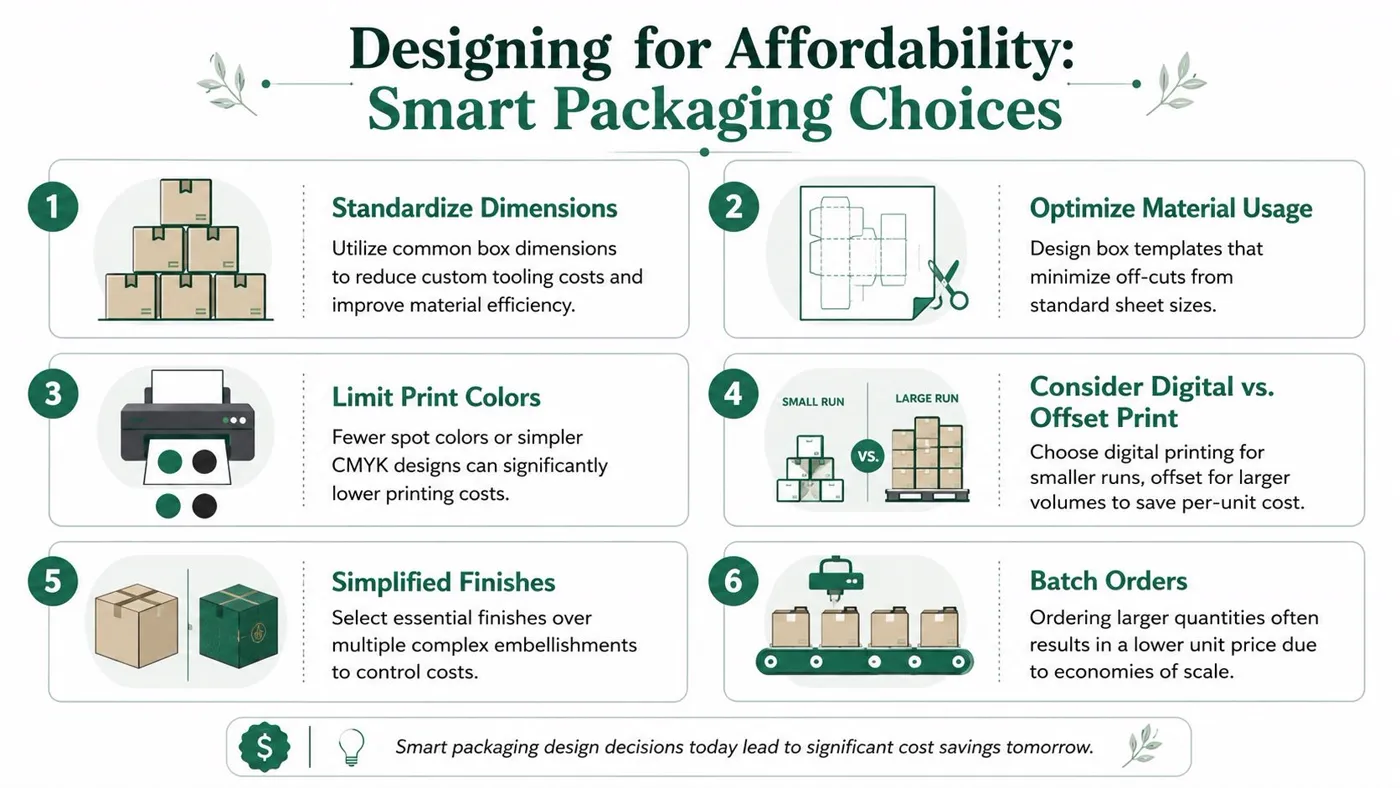
The easiest money to save on bespoke hat boxes is saved before production starts. Once artwork is approved and tooling is underway, most avoidable costs are already locked in. Better decisions happen at the design stage, especially around dimensions and print complexity.
Precision fit saves more than material
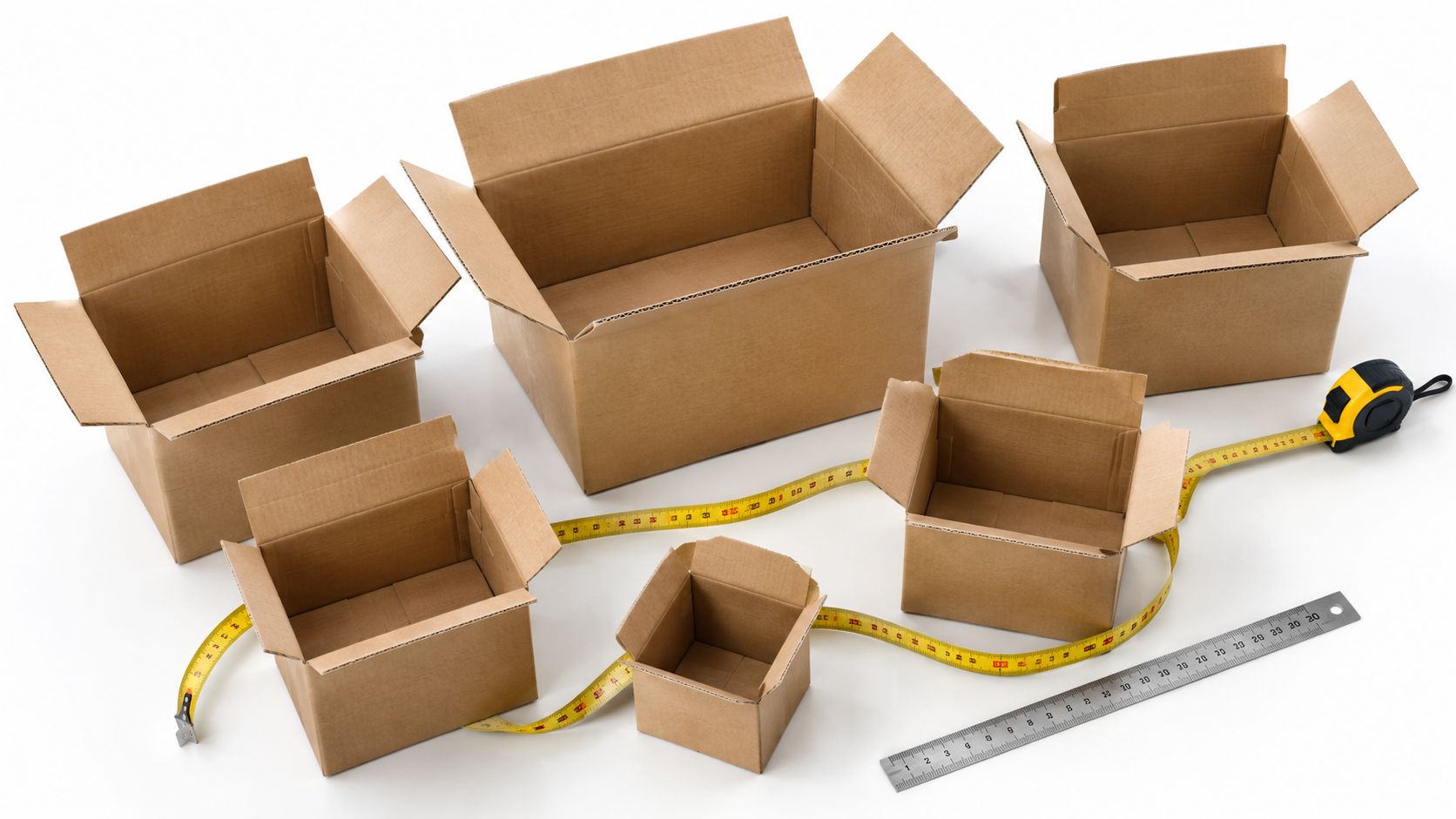
For round hat boxes, sizing shouldn't be guessed. The recognised method is to set the internal diameter at the maximum hat diameter plus 2cm to 3cm clearance, and the box height at 1.5cm to 2.5cm above the highest point of the crown, as outlined in this guide to hat box sizing methodology.
That sizing rule matters for more than protection. It also helps control four cost areas at once:
-
Material use
Extra width and height increase board consumption immediately. -
Void fill
Oversized boxes usually need more internal packing to stop movement. -
Storage efficiency
Every unnecessary centimetre takes up warehouse and back-room space. -
Packing speed
Staff work faster when the fit is repeatable and the process is standard.
A lot of small brands order packaging “just to be safe” and accidentally create a more expensive packing line. Safe and oversized aren't the same thing.
Print choices that protect margin
Branding decisions often have more impact on cost than buyers expect. Full-colour artwork across every panel can be worthwhile for some launches, but many premium hat brands get a stronger result from restraint.
Consider these practical combinations:
- Coloured board plus one-colour logo often feels more polished than busy full coverage.
- Foil on a plain surface can make a small run feel premium without demanding complex artwork.
- Inside print only where it adds value can create a memorable reveal without inflating the whole spec.
- A repeatable design across multiple collections reduces redesign work and simplifies reordering.
A useful reference point for broader thinking is this article on custom printed cardboard boxes, which helps frame how print choices affect both appearance and production practicality.
Cost-saving habit: Standardise the outer box where possible, then vary sleeves, stickers, or tissue for seasonal changes.
There's also a tooling question that gets overlooked. If a supplier already has a die-line close to the required size, adjusting the hat fit slightly within the accepted clearance range can be cheaper than commissioning a completely new cut. That doesn't mean compromising the fit. It means asking whether the design can sit inside an existing manufacturing pattern.
The businesses that buy well tend to separate what the customer truly notices from what only appears on a specification sheet. Customers notice shape, condition, ease of opening, and whether the branding feels coherent. They rarely reward needless complexity.
Strategic Sourcing MOQs Volume Breaks and Finding Partners
Sourcing bespoke hat boxes is rarely about finding a single perfect quote. It's usually about balancing minimum order quantity, storage tolerance, lead time, and how much flexibility the supplier offers once the first run is complete.
What minimum order quantities really mean
In the UK hat box niche, bespoke production can be more accessible than many buyers assume. Some suppliers start custom logo printing from 10 units, and standard postal sizes such as 31cm diameter by 21cm height are standard within the market, as noted by Bespoke British Boxes. That's a useful reminder that hat packaging doesn't always follow the same entry point as broader bespoke packaging categories.
At the same time, some wider packaging runs begin at 500 units, which changes the buying decision completely. The issue isn't just whether a business can afford that quantity. It's whether that quantity can be packed, stored, and sold through before the branding, range, or season changes.
A sensible buying conversation should cover:
-
True starting quantity
Ask whether the quoted MOQ is tied to print method, board type, or box style. -
Volume break logic
Request prices at several quantity points rather than one figure. The useful comparison is total landed value, not just the cheapest unit line. -
Repeatability
Check whether the artwork, cutter guide, and colour references are retained for later orders.
For businesses that want a simple way to think about quantity maths, Dirt Cheap Headwear's pricing strategies offer a practical framework for understanding cost per unit beyond the obvious headline figure.
How to choose the right supplier relationship
The best supplier for a first bespoke run often isn't the one with the rock-bottom quote. It's the one that answers clearly when asked about tolerances, print limits, transit use, and reorder consistency.
A quick comparison helps:
| Supplier trait | Why it matters |
|---|---|
| Clear MOQ explanation | Prevents surprise costs tied to print or material changes |
| Willingness to discuss standard sizes | Can reduce tooling and speed up approval |
| Sample and proof process | Lowers the chance of approving the wrong spec |
| Lead time transparency | Helps align packaging stock with launches and seasonal peaks |
| Sustainable material clarity | Important where eco claims are part of the brand offer |
There's also a practical difference between buying from a standard stock catalogue and buying a made-to-order solution. Standard stock can solve urgent needs quickly. Bespoke works better when the business has enough sales consistency to justify design time and minimum run planning.
Supplier content can be useful if it stays factual. For example, hat box buying guidance can help a buyer frame the right questions before requesting quotes.
Supplier fit matters more than catalogue size. A smaller, clearer brief with an honest lead-time discussion usually delivers better value than a flashy quote built on assumptions.
The strongest sourcing approach is rarely “buy as many as possible for the lowest unit cost”. It's “buy enough to improve economics without turning packaging into dead stock”.
Balancing Price Planet and Protection
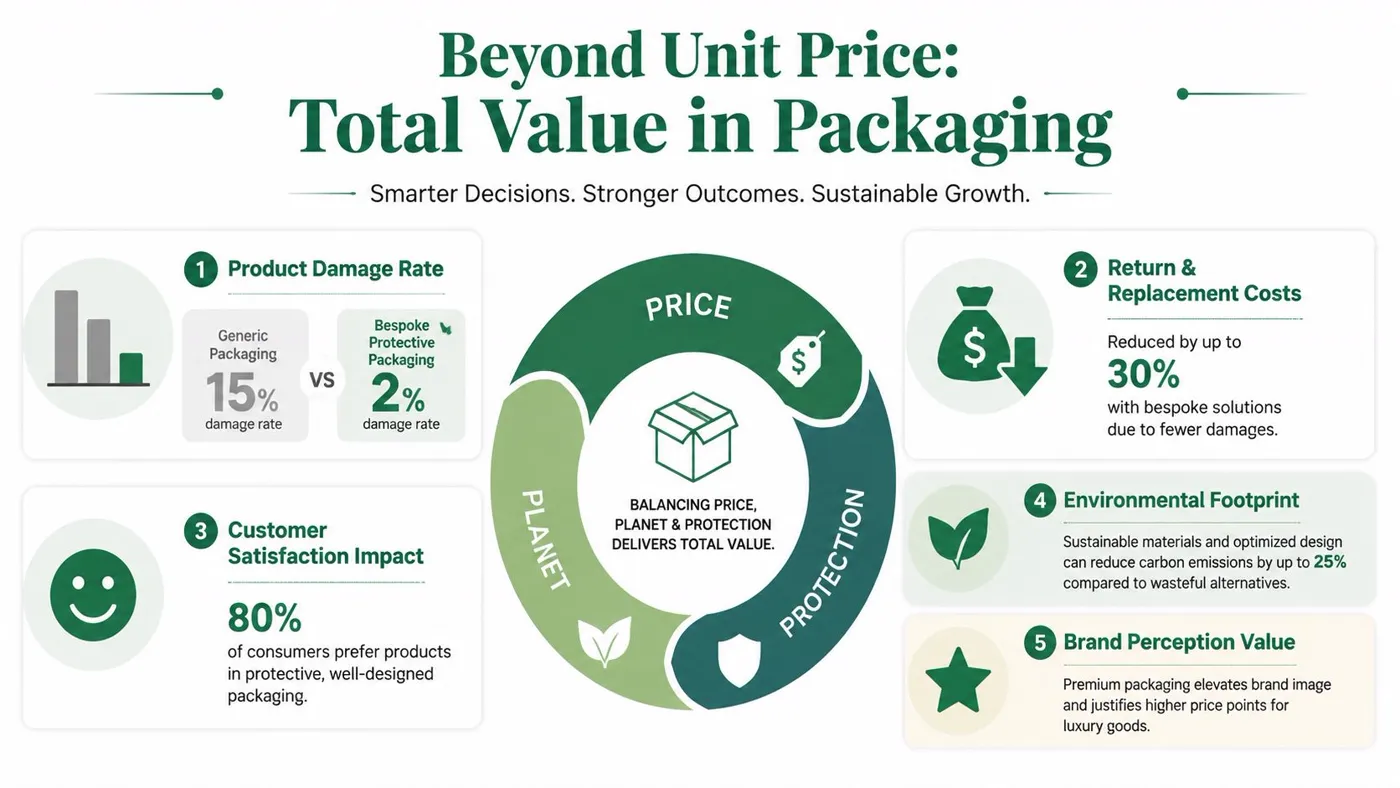
The cheapest hat box on paper can become the most expensive one in practice. That's especially true for structured, giftable, or luxury headwear where the packaging has to do two jobs at once. It has to protect the product and support the perceived value.
Cheap boxes often create expensive problems
A weak packaging decision usually shows up in slow, annoying ways. The lid rubs in storage. The box corners soften in a stockroom. Staff need extra filler to make the parcel safe enough to send. Customer service gets messages about dents, marks, or presentation that didn't match the product photography.
That's why total packaging cost is the only number worth paying attention to. It includes:
- Damage handling through replacements, refunds, and re-packing
- Operational drag when packing takes longer than it should
- Brand erosion if the unboxing undermines a premium product
- Wasted storage from bulky formats that weren't dimensioned carefully
In the luxury segment, packaging standards are moving upward with the market itself. The global luxury hats market is projected to reach USD 48.8 billion by 2035, growing at a 6.32% CAGR, according to Business Research Insights on the luxury hats market. For brands selling into that expectation level, the box isn't peripheral. It forms part of the buying experience.
Sustainability only works when it survives transit
Sustainable packaging should never be specified as a badge alone. It still has to perform. Recyclable or biodegradable options are useful when they fit the product, hold shape in the supply chain, and support the brand's wider positioning.
That creates a real trade-off. Some eco options help a business tell a stronger story and reduce unnecessary material choices. But if the specification is too light for the product, the environmental claim gets cancelled out by replacement shipments and damaged goods.
A balanced brief usually asks for all three:
- Material with a credible end-of-life route
- Structure suitable for the hat type and shipping method
- Presentation strong enough for the selling price
For brands reviewing broader options in this area, sustainable e-commerce packaging ideas can help compare practical formats and material choices.
A recyclable hat box that doesn't protect the hat is poor packaging. A durable hat box that customers keep and reuse may deliver better long-term value than a flimsy option that only looks sustainable on first glance.
Protection, planet, and price don't need to compete if the specification is built soundly. Problems start when one of those three is treated as the only buying criterion.
FAQ Your Bespoke Hat Box Questions Answered
Should a sample always be ordered
Yes. A physical sample is where abstract decisions become obvious. The buyer can check lid fit, print alignment, rigidity, colour, and whether the actual hat sits correctly inside the box. A digital proof won't show how the board feels in hand or how the structure behaves when opened and closed repeatedly.
The sample should be tested as a working item, not admired as a mock-up. Pack the actual product into it. Stack it. Handle it as staff would. If the box is meant for courier use, simulate the packing process around it.
What happens if the order arrives with issues
That depends on what was approved and how clearly the specification was recorded. Good practice is to keep all signed artwork, dimensions, board details, finish notes, and pre-production approvals together in one file. If a batch arrives with a structural, print, or finish issue, the supplier conversation is much easier when the approved brief is precise.
The fairest approach is to document the problem quickly with photos and batch details, then ask for review against the approved sample or proof. Vague complaints create slow resolutions. Specific evidence gets faster answers.
How should storage and reorders be handled
Storage should be costed before the order is placed, not after. Hat boxes can be bulky, especially rigid styles, so the cheapest unit run may still be the wrong commercial choice if it swallows stockroom space or makes order picking awkward.
For reorders, consistency matters more than novelty. If the first run worked, don't change dimensions, artwork placement, and finish all at once unless there's a genuine reason. Stable specs usually lead to smoother repeat production.
One point still remains awkward for smaller brands with eco priorities. There's a recognised data gap around lower MOQ access for sustainable materials such as recycled kraft, especially for businesses looking for runs in the 100 to 250 unit range, while some suppliers still frame bespoke sustainable production around 500 units, as discussed in this analysis of UK bespoke packaging MOQ challenges. That means buyers should ask direct questions early rather than assume every sustainable option is available in a small test run.
The practical sequence is simple. Finalise the fit. Approve a sample. Confirm storage capacity. Then place the order size that the business can move through without strain.
Businesses that need bespoke hat boxes, stock packaging, or sustainable shipping formats can review the available options at Packaging Panda. The site covers made-to-order packaging, wholesale supply, and UK-focused delivery support for brands that need to balance presentation with practical fulfilment.