QR Code Packaging: A Complete Guide for UK Businesses 2026
A lot of UK brands are in the same spot right now. The pack design is nearly signed off, the sustainability brief is paramount, and someone has suggested adding a QR code to access product information, reviews, traceability, or post-purchase content.
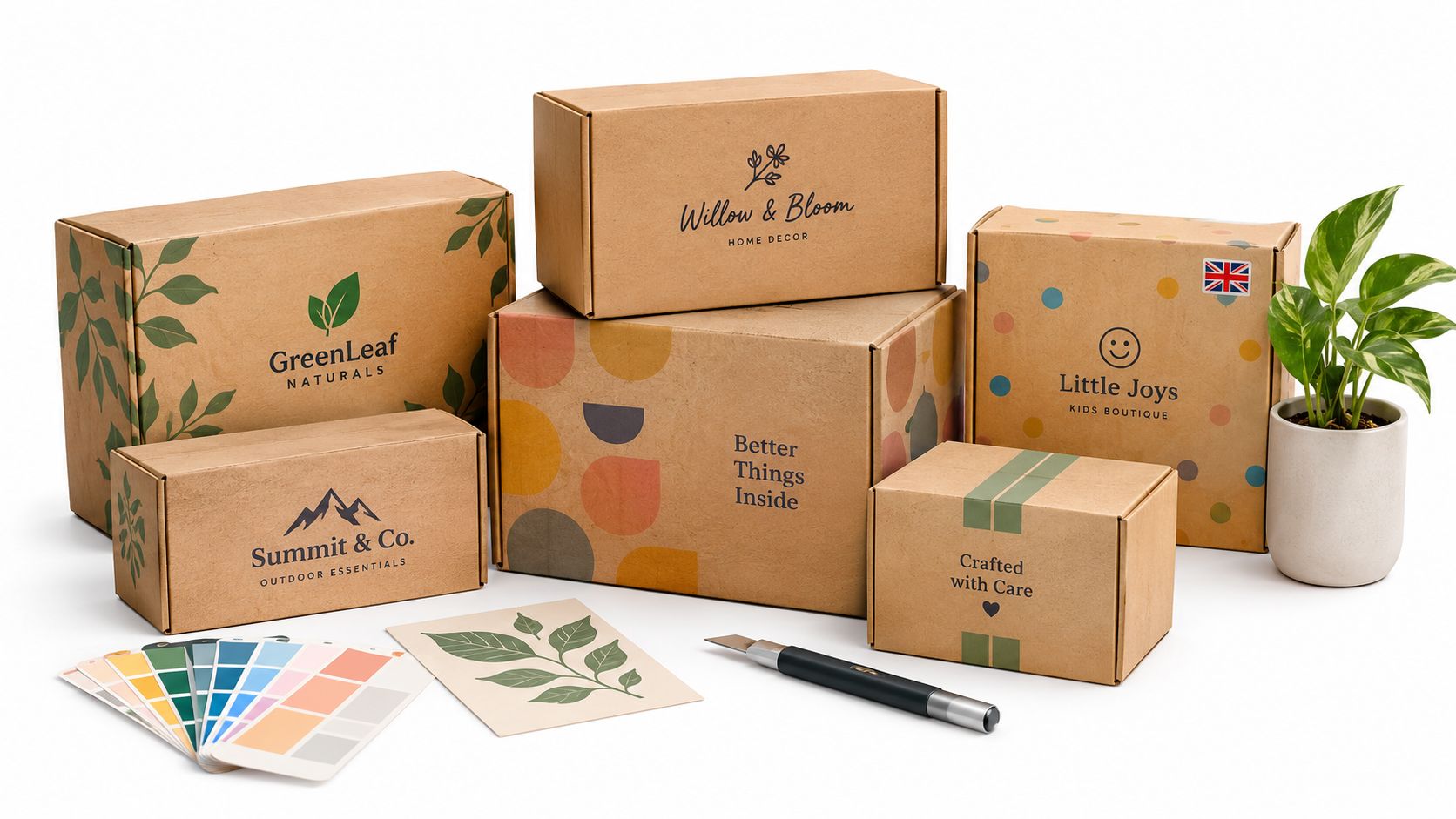
See our bespoke printed packaging with QR codes →
That sounds simple until the practical questions start. Should the code be static or dynamic. Will it still scan on kraft board, matte varnish, or compostable mailers. Who owns the landing page. What happens if the product information changes after print. And if the code is tied to traceability, what needs to stay archived for UK compliance.
Good QR code packaging works because the packaging team, marketing team, and operations team make a few disciplined decisions before artwork goes to print. Poor QR code packaging usually fails for ordinary reasons. The code is too small, contrast is weak, the mobile page is clumsy, or the sustainability substrate behaves differently from the glossy stock assumed by generic guides.
Table of Contents
- Your QR Code Strategy Before You Print
- Designing and Printing QR Codes That Actually Scan
- From Scan to Conversion Deploying Your Campaign
- Navigating UK Legal and Sustainability Rules
- Bringing It All Together with the Right Partner
Your QR Code Strategy Before You Print
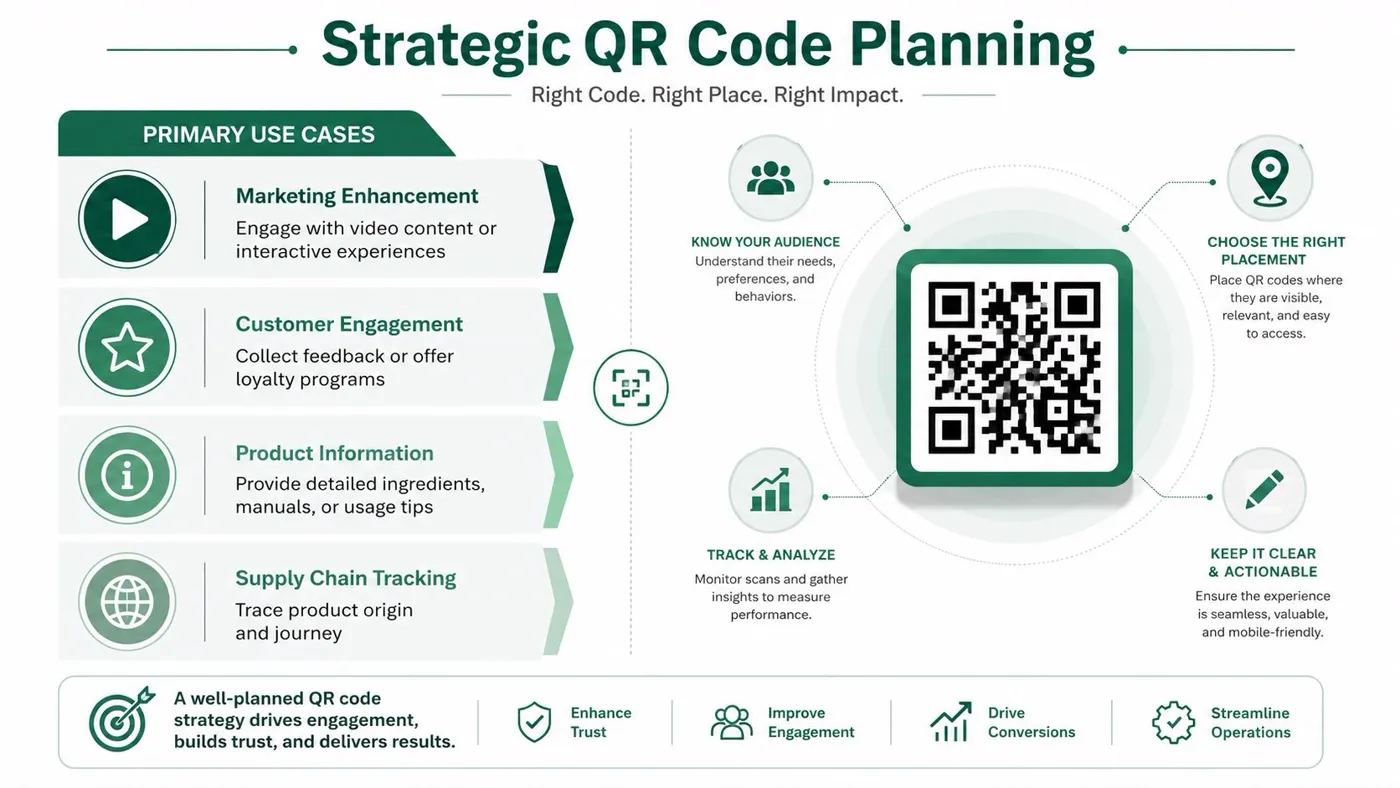
A QR code on packaging isn't a design flourish. It's a route into a specific customer action or operational task. If that action isn't defined before print, the pack ends up carrying a code that nobody scans twice and nobody inside the business can evaluate properly.
Start with the job the code needs to do
The most useful starting question is simple. What should happen when someone scans this pack?
For some brands, the answer is marketing. A food producer might link to serving ideas, subscription prompts, or retailer-specific promotions. For others, the answer is functional. A cosmetics brand may need ingredients, usage guidance, batch information, or authenticity checks in one accessible place. A warehouse or fulfilment team might use the same printed surface for tracking and stock control, especially when the project expands into connecting physical items to digital inventory rather than only customer engagement.
That distinction matters because the QR code itself has unusual flexibility. A QR code can store up to 4,296 alphanumeric characters, compared with 85 characters in a 1D barcode, according to ScienceDirect research on QR code capability. On a crowded carton or label, that extra capacity lets one printed mark support web links, recycling guidance, batch IDs, multilingual information, and product authentication without demanding more physical space on pack.
A commercial case exists too. One industry benchmark reports that 79% of consumers are more likely to buy products with a scannable QR code that adds product information, while 34% of respondents viewed serialised QR codes as very effective for improving conversion rates, as noted by Clarkston Consulting's review of QR codes on product packaging.
Static and dynamic codes solve different problems
This is the decision that shapes almost everything else.
| Type | Best fit | Strength | Limitation |
|---|---|---|---|
| Static QR code | Fixed information that won't change | Simple and permanent | If the destination changes, the packaging becomes outdated |
| Dynamic QR code | Campaigns, post-purchase journeys, editable destinations | URL can be changed without reprinting, with scan tracking available | Needs governance, especially if linked to traceability or regulated product records |
A static code suits packs where the destination is unlikely to move. Examples include a permanent recycling guide, a stable product manual, or a long-term brand page.
A dynamic code suits packaging that needs room to adapt. Retail promotions end. Product pages move. A landing page might need different content for first-time buyers than for repeat customers. Dynamic setup also supports campaign learning because the destination can change after the packaging is already in circulation.
For brands managing different QR destinations across multiple products or packaging variations, a bulk dynamic QR platform such as VastQR lets you create codes from a CSV and keep each destination independently editable after printing.
Practical rule: If the business expects to change the linked content after print, the code should almost certainly be dynamic. If the linked information must remain permanently fixed and auditable, static usually creates fewer headaches.
Match the code to the packaging workflow
The strategy also has to respect the physical life of the pack.
A QR code on an outer shipper serves a different role from one on the consumer-facing primary carton. An outer mailer might support delivery support, returns, or warehouse checks. A primary pack might carry product education, provenance, refill instructions, or loyalty enrolment. Putting one generic code everywhere often creates muddled analytics and weak customer journeys.
The cleanest projects usually make three early decisions:
- Define one primary action: choose the single most important outcome, such as registration, review capture, authenticity check, or care guidance.
- Choose who owns the destination: marketing can own campaign pages, but technical product content or traceability records usually need operational control.
- Decide the lifespan: short-lived campaign assets and long-lived regulated information shouldn't sit under the same governance assumptions.
That early discipline prevents a common failure. Teams print thousands of packs with a code that points to a homepage and call the job done. The code scans, but the packaging doesn't really perform.
Designing and Printing QR Codes That Actually Scan
Beautiful artwork doesn't rescue a badly printed code. On packaging, QR performance depends on print engineering. That means size, contrast, surrounding space, substrate behaviour, and testing under the conditions where people and machines will scan it.
Non-negotiable print rules
The baseline rules for UK retail packaging are clear. A QR code should be treated as a print object, not decorative artwork. Guidance from Digital Link's packaging best practices for QR codes recommends keeping the symbol at least 2 x 2 cm, preserving a quiet zone of four modules around it, printing in high contrast with a dark code on white where possible, and for POS use meeting the 1.5/12/660 minimum quality specification with placement within 50 mm of the linear barcode centre.
Those aren't fussy studio details. They affect whether a phone camera or retail scanner resolves the code on the first attempt.
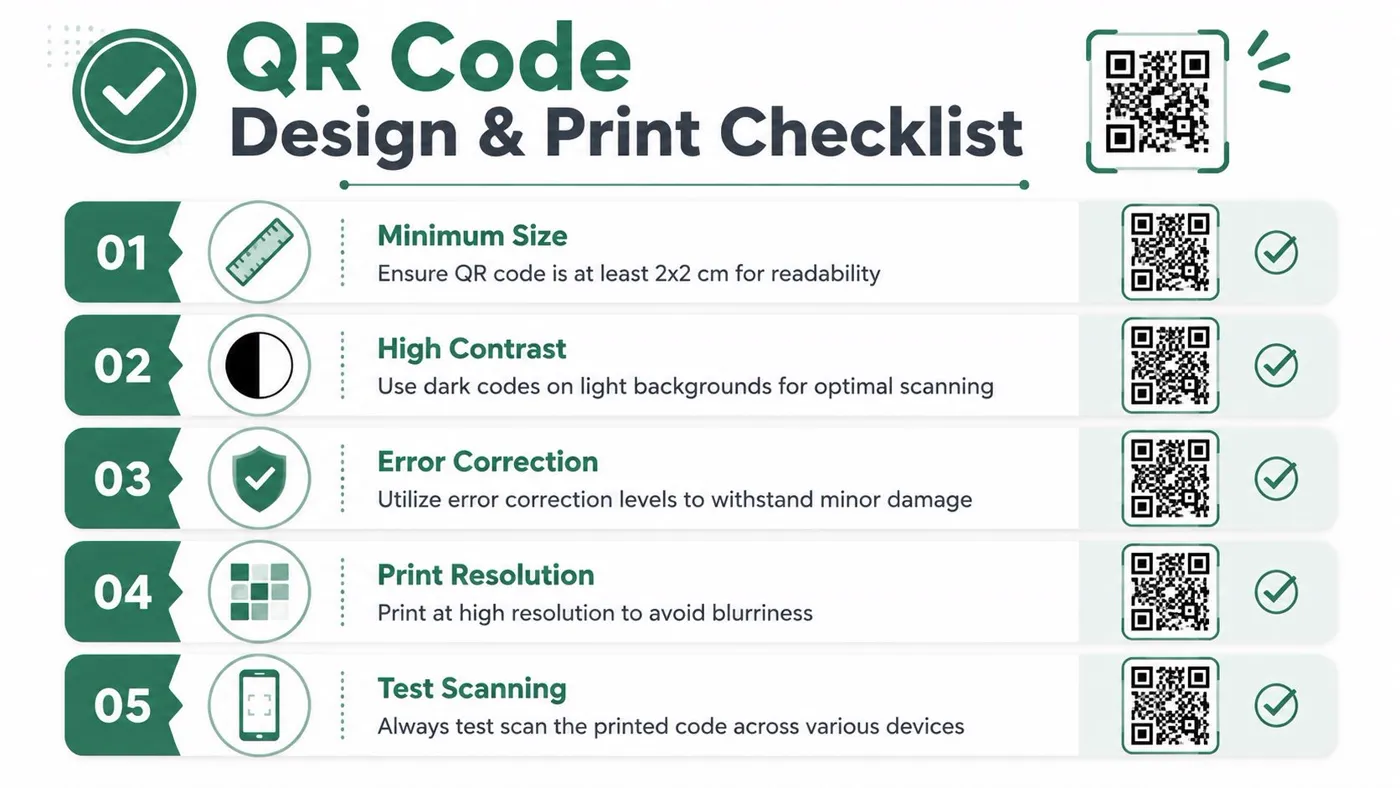
A few mistakes cause trouble quickly:
- Too small on a cramped label: this often happens when the code is added late and squeezed beside mandatory copy.
- Reversed or low-contrast colours: pale inks, metallic effects, and dark backgrounds look refined in artwork proofs but frequently reduce scan reliability.
- Quiet zone intrusion: borders, illustrations, dielines, or text that crowd the code make detection harder.
- Poor placement: folds, seams, corners, or curved surfaces introduce distortion and handling wear.
Keep the code on the flattest, cleanest area available. The nicest visual placement isn't always the most scannable one.
Why sustainable materials create scanning problems
Many UK brands run into avoidable issues. Generic QR advice usually assumes smooth, glossy conditions. Sustainable packaging often behaves differently.
A UK-specific data point is worth taking seriously. One verified industry note states that UK e-commerce data showed a 28% higher scan failure rate for QR codes printed on uncoated, compostable mailers compared to glossy substrates, especially under lower-light conditions in UK warehouse dispatch environments. A separate verified finding says a 2025 study by the UK's National Security Centre on Packaging found that 34% of QR codes on eco-friendly paper-based packaging failed to resolve on the first scan attempt when processed by automated UK parcel sorters.
That doesn't mean sustainable packaging is a poor fit for QR code packaging. It means the material needs to be engineered for the code, not treated as an afterthought.
Uncoated kraft, paper mailers, matte finishes, and compostable films can all reduce edge sharpness or absorb ink differently. Lower contrast, slight spread, and surface texture can be enough to push a marginal code into failure. That risk increases in warehouse lighting and in transit systems where automated equipment gets a brief reading window.
For brands testing labels before committing to full printed packs, temporary application can help isolate variables. A supplier that can order custom vinyl stickers may be useful for proofing visibility and placement before larger production runs, especially when comparing substrate finishes.
A practical pre-press checklist
A sustainable pack needs a slightly tougher discipline than a gloss carton. These checks usually separate successful launches from expensive reprints.
-
Increase code size when the substrate is rougher
The official minimum is one thing. Real-world reliability on kraft or compostable stock often improves when the code is given more breathing room than the bare minimum. -
Protect contrast at all costs
Dark ink on a light background remains the safest choice. If the brand palette is soft, the QR area should still be treated as a technical zone. -
Proof on the actual material
A code that scans from an office printout says very little about performance on paper mailers or textured labels. -
Test under mixed conditions
Check modern phones, older phones, bright office light, and warehouse light. If the pack may enter automated handling, test there too. -
Watch sealing and application points
On e-commerce packs, don't place the code where tape, crumpling, or courier labels will compromise it. If a pack uses Mailers, the available panel for scanning should be identified before artwork is finalised.
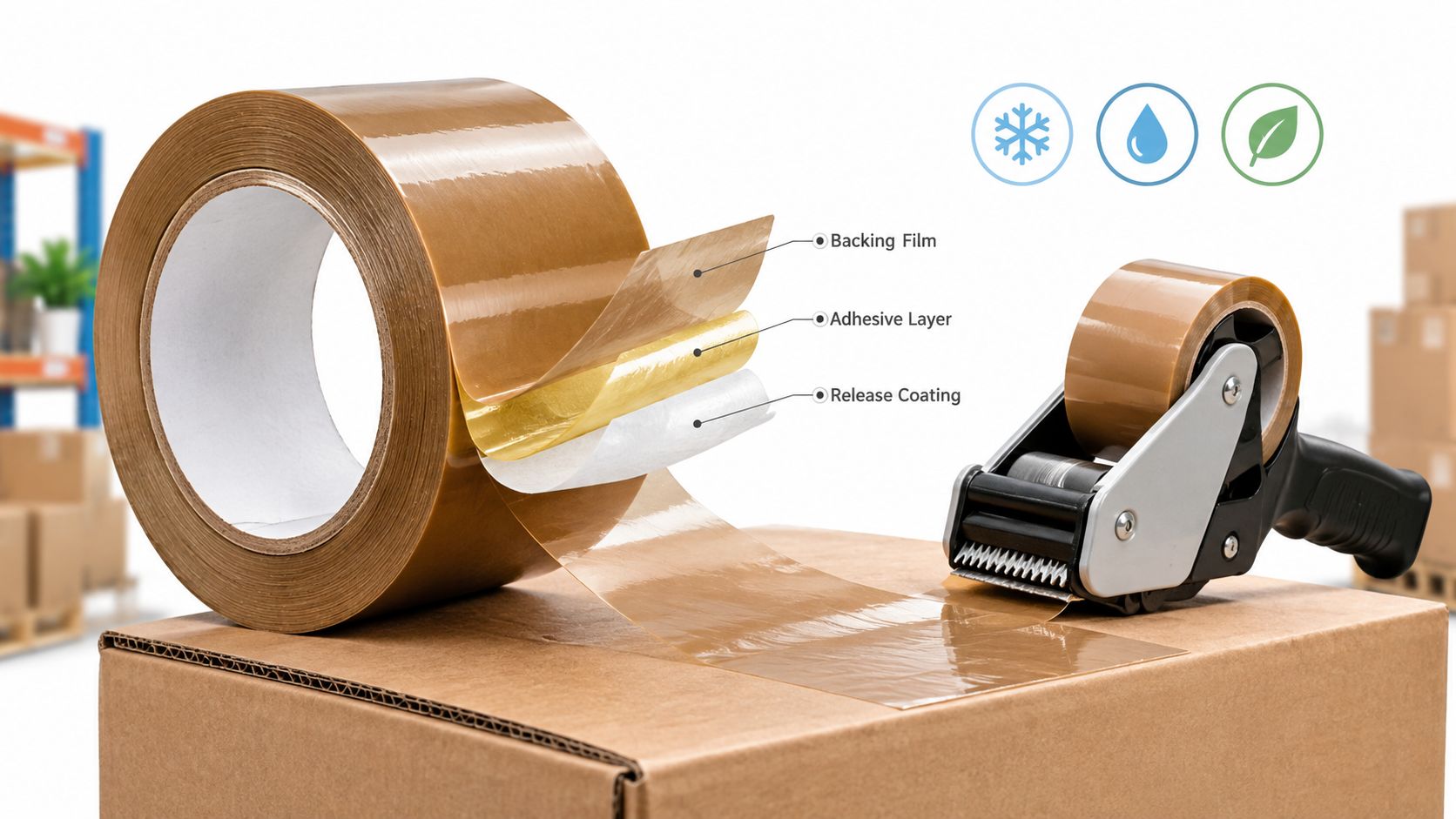
In dispatch environments, closure method matters as well. If paper tape or printed sealing areas cross the scan zone, readability drops fast. Teams using branded sealing formats should check how the code interacts with printed paper tape in a standard 48 mm width before approving final layouts.
From Scan to Conversion Deploying Your Campaign
The scan itself is only the handoff. The actual work starts the moment the phone opens the destination.

What the customer sees after the scan
A customer receives a parcel, opens the pack, notices the code, and scans it. If the page loads to a generic homepage, asks for too much too early, or forces desktop-style navigation on a mobile screen, the packaging has done its part and the digital experience has wasted it.
That matters because packaging isn't just a point-of-sale surface. Bitly reports that 61% of shoppers scanned a QR code on a product after purchase, and 63% of scans happen on packaging itself, according to Bitly's QR code statistics. In practice, that makes the box, label, or mailer part of the post-purchase journey.
The landing page should do one thing clearly. Show setup help. Deliver care instructions. Prompt a review. Explain ingredients. Confirm authenticity. Offer refill or reorder options. The strongest pages feel like a continuation of the pack, not a detour away from it.
Use packaging scans to improve the journey
Dynamic QR campaigns prove useful beyond novelty. A bakery can link to storage guidance and serving suggestions. A skincare brand can route scanners to routine instructions by product line. A DTC electronics seller can surface a quick-start guide and warranty registration in one mobile page.
A practical post-purchase flow often looks like this:
- First screen: one clear answer to why the customer scanned.
- Second action: optional deeper content such as FAQs, videos, or care guidance.
- Third action: a commercial or relationship step, such as a review, refill, or loyalty enrolment.
A QR code should reduce friction, not create a scavenger hunt. If the user has to search after scanning, the packaging is carrying a weak journey.
Operational products can use the same thinking. Security and chain-of-custody applications often combine physical control with digital verification. In sectors using Tamper Evident Bags, the package itself may already carry tear-proof seals and tracking codes, so the digital journey needs to be tightly aligned with what the recipient must confirm or record at the point of handling.
The useful lesson is simple. A scan is intent. The business should reward that intent immediately.
Navigating UK Legal and Sustainability Rules
Brands often treat QR code packaging as a marketing device first and a compliance system second. In the UK, that order can create trouble.
Treat traceability as a compliance system
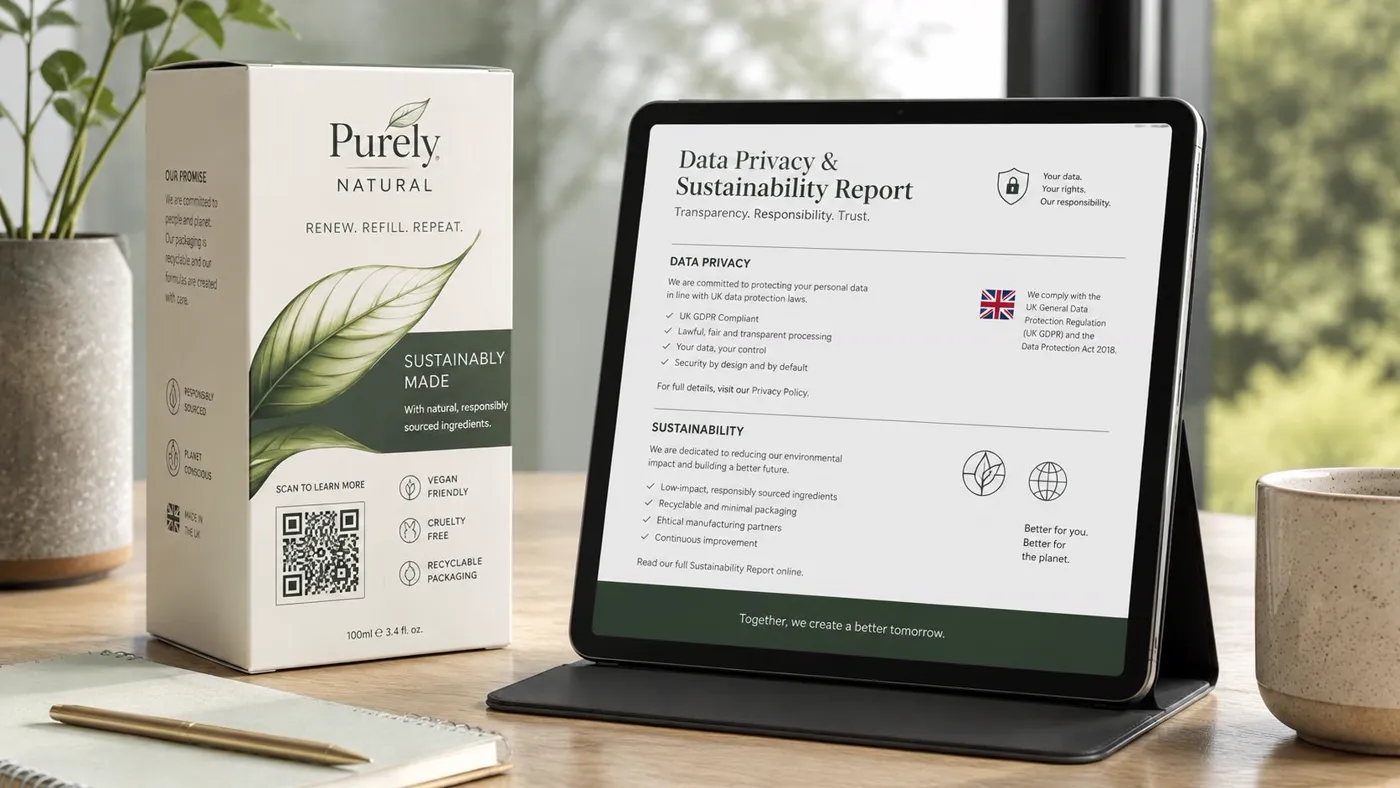
If a QR code is tied to product journey records, traceability, or regulated claims, the destination cannot be managed casually. Verified UK guidance notes that 42% of UK SMEs using QR codes for product journey tracking are unaware that dynamic codes must have data that remains static for 18 months post-transaction to comply with the new Digital Product Passport pilot, and that using dynamic QR codes for traceability without a permanent archive can trigger a £5,000 penalty per instance.
That changes how dynamic codes should be governed. The flexibility that makes them attractive for campaigns also creates risk if the linked record can be edited away, redirected, or lost without an archive.
A sensible approach is to separate marketing QR logic from compliance QR logic, even when they appear on the same broader packaging programme.
| Use case | Governance need |
|---|---|
| Promotional content | Flexible updates are usually acceptable |
| Traceability records | Archived, stable data handling is essential |
| Recycling and material guidance | Keep content accurate and version controlled |
| Authentication or batch verification | Retain reliable history and access rules |
Brands also need to think about privacy. If the scan experience collects identifiable information, such as email capture or account creation, the page needs proper consent handling and a clear lawful basis for data use. Scan analytics in aggregate are one thing. Personal data collection is another.
Compliance isn't the enemy of usability. It simply means deciding which information can change and which information must remain auditable.
Use QR content to support sustainability claims
In this context, QR code packaging becomes more useful than a crowded printed panel.
Sustainability copy on pack is always constrained by space. A QR code can extend that space responsibly. It can link to disposal instructions, material composition, refill steps, certification detail, or a clearer explanation of what the customer should do with each pack component. That is especially useful when the packaging mix includes board, adhesive labels, void fill, tape, and inserts that don't all belong in the same waste stream.
The practical gain is trust. Instead of making broad environmental statements on the front of pack, a brand can use the scan destination to provide specific guidance and maintain current information over time. Businesses that want their packaging choices and internal standards to be visible can also publish policy context, such as an environmental policy statement, so sustainability messaging is supported by documented practice rather than loose claims.
Bringing It All Together with the Right Partner
The strongest QR code packaging projects are organised before they are designed. The team knows why the code exists, what the user should get from scanning it, which data needs to stay fixed, and how the material will behave on press and in transit.
What a competent rollout looks like
A good rollout usually follows a pattern.
The business chooses one priority use case first. It doesn't try to make one code simultaneously handle reviews, loyalty, provenance, returns, support, and retailer campaigns. It picks the most valuable customer or operational action and designs around that.
Then the physical pack is treated as a technical environment. The QR code gets space, contrast, and an undisturbed panel. Sustainable substrates are tested in their real print and lighting conditions. The mobile destination is built for the moment of scan rather than recycled from a desktop page.
The governance piece comes next. Teams decide whether the code is a campaign device, a product information route, a traceability record, or a mix that must be separated clearly behind the scenes. That decision affects who can edit links, what must be archived, and how legal review fits into packaging approval.
A final pre-launch review should answer these questions:
- Will the code scan on the actual pack material and finish
- Is the landing experience useful within a few seconds
- Can the linked content be updated without breaking compliance requirements
- Has ownership been assigned across packaging, marketing, and operations
- Will the code still work when the pack is creased, handled, or stored in normal conditions
When those answers are clear, QR code packaging starts acting like infrastructure rather than decoration.
Where packaging suppliers add real value
This is the part many buying teams underestimate. A packaging supplier can't replace digital strategy or legal oversight, but a capable supplier can prevent physical mistakes that undermine both.
That is especially relevant for sustainable formats. Eco-friendly substrates bring legitimate benefits, but they also introduce variables around absorbency, texture, finish, and scanner readability. The supplier's role is to help narrow those variables before volume print begins.
For example, a business might need a compostable mailer with a print area that still holds a crisp, high-contrast code. Another might need a custom carton where the QR sits clear of folds, sealing lines, and courier label zones. A third may need outer-pack coding to support fulfilment while the primary pack carries customer-facing content. Those are packaging decisions, not only design decisions.
One factual option in this area is bespoke packaging support, where custom sizes and branded print can be specified across boxes, mailers, bags, and tubes. In practical terms, that kind of service matters when the location and legibility of the QR code need to be built into the pack structure rather than added late to standard artwork.
A supplier also helps by forcing useful constraints. If the chosen substrate won't hold the code cleanly at the intended size, that needs saying early. If the artwork team wants to reverse the code out of a dark field, someone should push back. If the dispatch process is likely to place labels across the scan area, the panel assignment should change before production.
The right partner doesn't merely print the code. They help protect the conditions that make the code usable after the pack leaves the press.
For UK businesses, the smartest view is to treat QR packaging as a cross-functional project with a physical execution layer. Marketing may own the customer journey. Operations may own traceability. Compliance may own the archive rules. But the package is still the object that has to carry all of that into physical environments.
That's why early collaboration matters. The best result usually comes from aligning packaging specification, artwork hierarchy, destination planning, and compliance review before the first production run.
Packaging Panda supplies packaging materials across the UK, including sustainable options and made-to-order formats. For businesses planning QR code packaging on boxes, mailers, bags, or other printed packs, Packaging Panda is one option for sourcing the physical packaging component while building around the practical requirements covered above.