
Elevate Your Brand with Custom Printed Gift Boxes
A lot of UK businesses reach the same point at the same time. Orders are moving, the product is good, and customers are buying. But the parcel that arrives on the doorstep still feels generic. The outer box does the job, yet the brand experience disappears the moment the courier label goes on.
Explore our printed gift boxes →
That's usually when custom printed gift boxes move from “nice idea” to commercial decision. A gift box can lift perceived value, make gifting easier, and give the customer something worth opening rather than just tearing through. It can also create problems if it's over-specified, hard to recycle, too bulky for postage, or tied up in long lead times that don't match the business.
Most guides focus on colours, foil, and presentation. UK buyers usually need a more practical answer. The key decision isn't just how the box looks. It's how it performs, what it costs to run, how quickly it can be reordered, and whether the finish still makes sense when the customer tries to dispose of it at home.
Table of Contents
- Why Custom Gift Boxes Are a Smart Investment for UK Brands
- First Decisions Bespoke vs Ready-Made Boxes
- Choosing Your Materials and Board Grade
- The Art of Printing and Finishing
- Structural Design and Sizing Considerations
- Understanding Costs, MOQs, and Lead Times
- Your Next Steps to Ordering with Packaging Panda
Why Custom Gift Boxes Are a Smart Investment for UK Brands
A customer orders a birthday set, a corporate gifting pack, or a limited-release product. The item arrives in a plain transit carton with loose filler and no clear presentation. The product may be fine, but the buying experience feels ordinary, and that affects how the brand is remembered.
Custom gift boxes earn their keep when presentation influences purchase intent, repeat orders, or perceived value. For many UK brands, that applies to cosmetics, candles, food gifting, subscription packs, fashion accessories, and promotional kits. The box is not just there to hold the product. It shapes whether the order feels giftable, whether it photographs well for social sharing, and whether it reaches the customer in a condition that still justifies the price paid.
That commercial value comes with a UK-specific constraint many design-led guides skip. A premium finish can improve shelf appeal, but it can also make recycling less straightforward if the board, laminate, foil, magnet, or insert choices are poorly matched. Customers notice both. They judge the look of the pack and, increasingly, whether it is easy to dispose of through normal household recycling.
Practical rule: If the box influences the buying decision or the gifting experience, treat it as part of the product, not an afterthought.
The strongest return usually comes from four areas.
- Stronger perceived value. A well-made gift box helps support a higher selling price without changing the product itself.
- Better brand recognition. Consistent structure, print, and finish make the brand easier to recognise across orders and campaigns.
- Lower packing inefficiency. A box designed around the product can reduce extra filler, outer packaging changes, and avoidable packing time.
- Fewer disposal complaints. Simpler material combinations are easier for UK customers to understand and recycle.
This is especially relevant for smaller e-commerce brands and sellers preparing to launch a POD business. Early-stage brands rarely win on scale. They often win on presentation, clarity, and how polished the first order feels in the customer's hands.
I see the same mistake repeatedly. Businesses spend heavily on foil, soft-touch lamination, or rigid formats before they have checked courier performance, pack-out speed, storage footprint, or whether the finished pack still works within UK recycling expectations. The result looks expensive but adds cost in all the wrong places.
A better approach is to start with the job the box has to do, then choose a bespoke gift box specification that supports margin as well as appearance. The best custom printed gift boxes improve presentation, protect the product properly, and avoid creating disposal problems the customer has to work out for themselves.
First Decisions Bespoke vs Ready-Made Boxes
The first real choice isn't foil colour or board finish. It's whether the business needs a fully bespoke box or whether a standard box with light branding will do the job.
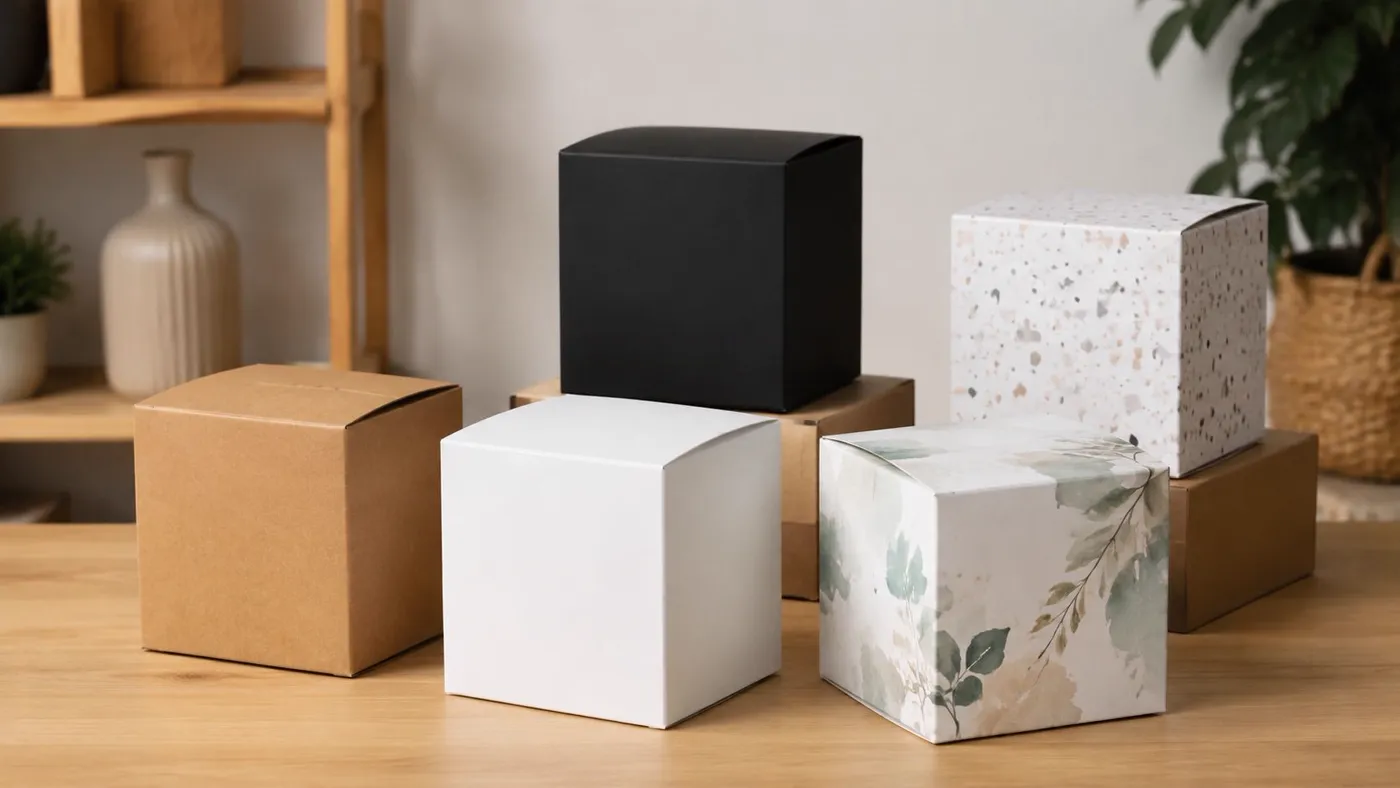
A lot of businesses start with stock packaging because it's faster and easier to control. That's sensible. A standard box in the right size, finished with a label, sleeve, sticker, or insert, can look organised without committing the brand to a full custom run too early.
A bespoke box becomes more useful when the product has an unusual shape, the fit needs to be exact, or the packaging itself carries part of the sales message. Businesses comparing options often start with a bespoke packaging route only after they've confirmed that stock formats are limiting dispatch, protection, or shelf impact.
When ready-made boxes make more sense
Ready-made works well when speed and flexibility matter more than exclusivity.
| Option | Best fit | Main advantage | Main compromise |
|---|---|---|---|
| Ready-made stock box | Start-ups, seasonal sellers, test runs | Fast to buy and easy to replenish | Less structural control |
| Stock box plus branding elements | Small brands refining presentation | Lower commitment with better visual identity | Branding is more layered than integrated |
| Fully bespoke box | Established SKUs, gifting lines, premium launches | Exact fit and stronger brand ownership | More planning and higher setup complexity |
For example, Gift Boxes are available in white, brown, black and printed designs for retail, hampers and ecommerce, which makes standard formats useful for businesses that need a presentable off-the-shelf solution without redesigning the whole pack.
A ready-made box is often the right commercial answer when the product is still being tested. Bespoke is stronger when the packaging format is already proven.
When bespoke earns its keep
Bespoke becomes the better choice when a business needs one or more of the following:
- A precise internal fit: Useful for fragile items, bottle packs, hampers, or presentation sets.
- Consistent brand blocking: Printed panels, inside print, and structural details all work together.
- A cleaner pack-out process: Warehouse teams benefit when the box, insert, and closure method are designed together.
There's also a perception issue. If the product sits in a generic box with too much empty space, the customer notices. If the lid closes neatly, the insert holds the item securely, and the graphics sit where they should, the whole purchase feels more deliberate.
The right answer isn't always bespoke from day one. Often it's staged. Start with a strong stock format, learn what customers respond to, then move to custom printed gift boxes when the product, dimensions, and reorder pattern are stable enough to justify it.
Choosing Your Materials and Board Grade
A box can look excellent on a proof and still fail in practice. I see this regularly with gift packaging that photographs well, then scuffs in fulfilment, bows under product weight, or creates disposal questions customers cannot answer at home.
Material choice sets the baseline for print finish, crease quality, rigidity, shipping performance, and recyclability. That last point gets missed too often. UK brands now have to think beyond shelf appeal and consider whether the pack will pass through household recycling systems without confusion or extra separation by the customer.
Businesses comparing gift packs with transit or outer packaging often review wider cardboard box formats at the same time, because the same commercial questions apply. Will it protect the contents, stack properly, print cleanly, and justify its unit cost?
Match the board to the actual use case
Start with weight, route to customer, and expected handling.
For many custom printed gift boxes, the shortlist is fairly predictable:
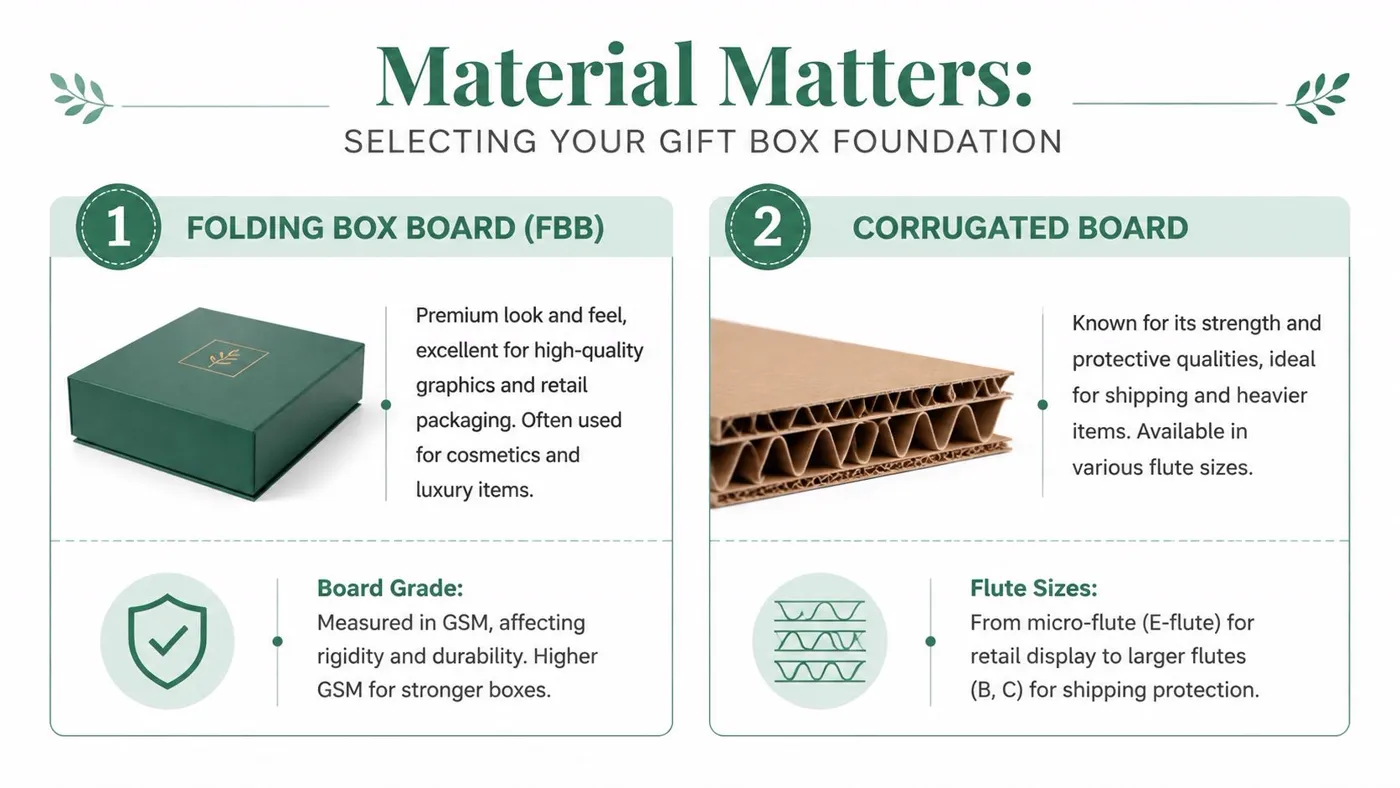
- Folding box board: Best for strong print definition, crisp folds, and a cleaner retail finish. Suits lighter products and presentation-led packs.
- Kraft-style board: Useful for brands that want a natural appearance and lower-processed feel. The trade-off is less predictable colour reproduction, especially for pale tones and detailed artwork.
- Corrugated board: Better for heavier items, courier movement, or ecommerce packs where protection matters as much as presentation.
Board grade changes how the pack feels in the first few seconds. A lid that flexes, a base that sags, or corners that crush slightly in transit will weaken brand perception fast. A heavier grade improves confidence, but it also raises material cost, shipping weight, and sometimes postal charges. That is the practical balancing act.
Premium finish and recyclability often pull in opposite directions
A lot of aesthetic-led packaging advice stops at texture, foil, and colour. UK businesses need to go one step further and ask what happens after unboxing.
The UK government's packaging waste data published by DEFRA shows the scale of packaging waste in the system, which is why end-of-life design is no longer a side issue. If a box uses mixed materials, plastic windows, heavy lamination, or magnetic closures, disposal becomes less straightforward for the customer and harder to explain in sustainability claims.
That does not mean premium finishes are off the table. It means they need a commercial reason.
Use embellishments where they add clear value, such as a gifting range, a launch box, or a higher-margin product line. For everyday retail or ecommerce gifting, a cleaner spec is often the better decision:
- Mono-material construction where possible
- Paper-based inserts instead of mixed plastic components
- Limited special finishes, used only on key panels
- Clear disposal instructions if any part needs separating
Uncoated and lightly coated boards can still look refined. Good proportions, accurate colour control, and disciplined artwork usually do more for perceived quality than adding every finish available. Even choices like product branding font options can influence whether a simpler board still feels premium enough for the brand.
Ask the disposal question before approving the sample
The sample should answer more than “does it look good?”
It should answer practical questions. Can the customer recycle the outer box at home. Does an insert need removing first. Will dark print coverage or a laminated finish undermine the sustainability message printed on the pack. Those trade-offs matter in the UK market, where buyers are paying closer attention to what packaging is made from and how easy it is to dispose of correctly.
The best specifications are usually disciplined rather than flashy. Choose a board that protects the product, prints well enough for the brand, and does not create avoidable recycling friction at the end of its life.
The Art of Printing and Finishing
A common UK packaging mistake is spending heavily on a premium box style, then losing the effect with poor print control or too many finishes. Customers notice the result straight away. Soft text, drifting colour, or a foil detail that looks patchy will make the whole pack feel cheaper than it was.
Print method should match the commercial job
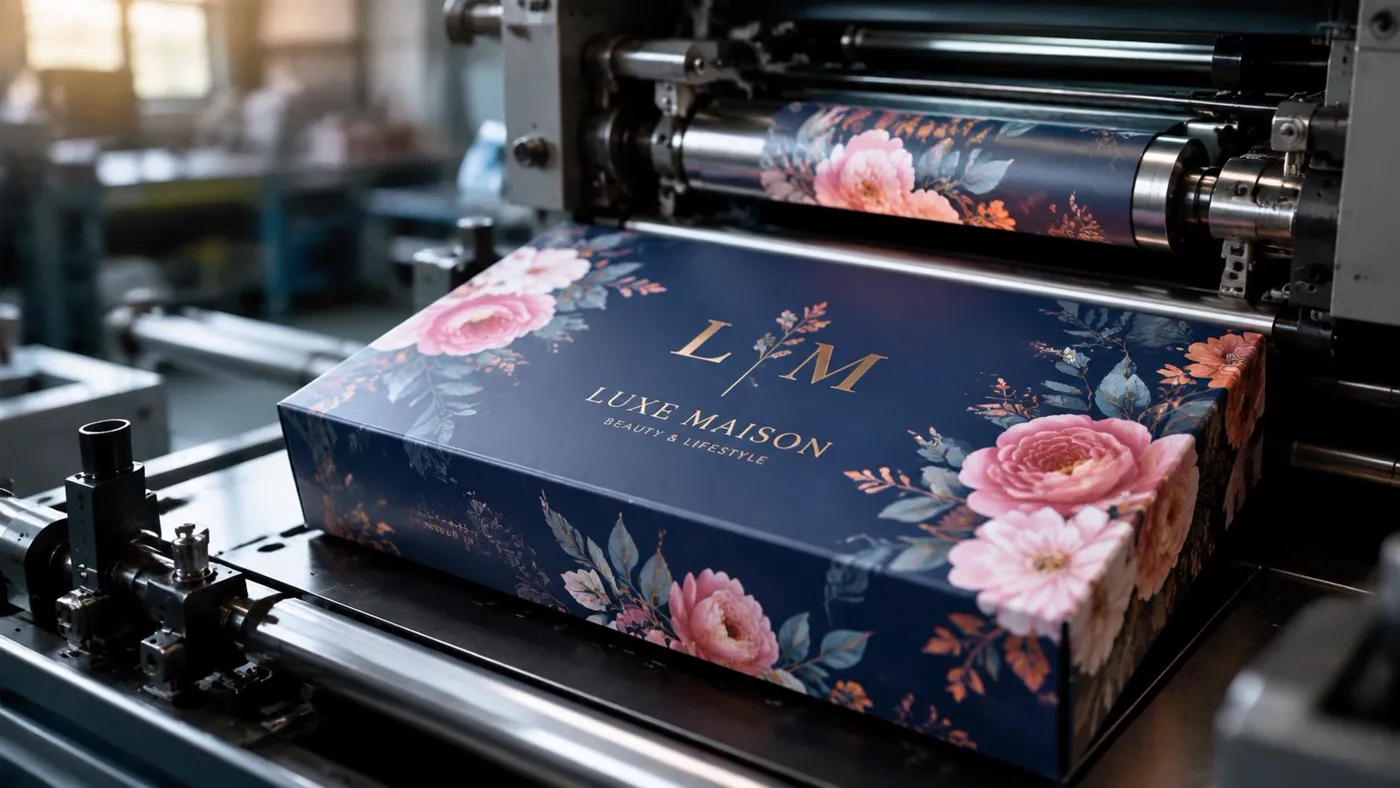
Digital print suits shorter runs, versioned artwork, and projects where timing matters as much as unit cost. Litho makes more sense once volume is stable and the business needs tighter consistency across a larger run. Neither method is always better. The right choice depends on how often the design changes, how many units are needed, and how much waste the business can tolerate if artwork needs revising after approval.
That matters for campaign boxes, seasonal gifting, and trial launches. Digital gives more flexibility if the team wants to test a design, adjust copy, or run multiple variants without carrying excess stock. Litho usually rewards better planning and firmer forecasts.
Artwork should be built for the board and print process, not just for the screen. Fine serif text, pale tints, and low-contrast details can fall away quickly on textured or uncoated stock. Brands reviewing logo presentation or pack typography often benefit from checking product branding font options before sign-off, particularly if the design relies on small text or subtle linework.
Finishes should add impact, not disposal problems
Finishing is often where costs rise fast and recyclability gets weaker. A box can look premium with one well-chosen finish and disciplined artwork. It rarely looks better because every option was added.
In the UK, the practical question is broader than shelf appeal. It is whether the finished pack still fits the brand's sustainability claims and can be disposed of without confusing the customer. Laminations, mixed-material embellishments, and heavy decorative treatments can all create friction at end of life, even if the box photographs well.
| Finish | What it does well | Trade-off to check |
|---|---|---|
| Matt lamination | Gives a smoother, quieter surface and reduces glare | Can make fibre recovery less straightforward, depending on specification |
| Gloss coating | Sharpens colour and gives more visual punch | May feel less appropriate for premium, understated brands |
| Foil blocking | Adds contrast and strong shelf impact | Introduces extra material and can work against a paper-first sustainability message |
| Embossing or debossing | Creates texture without relying only on ink coverage | Needs the right board grade to avoid cracking or distortion |
| Spot UV | Highlights a logo or graphic selectively | Easy to overuse and can make the design feel dated |
The strongest packs usually have one clear priority. That might be a crisp printed logo on uncoated board, a single foil detail on a dark lid, or blind embossing with very limited ink. Restraint often produces a better result and a cleaner recycling story.
There are also operational trade-offs. Dense coverage, delicate metallic details, and high-build coatings can scuff during packing and fulfilment if the box is handled repeatedly. Dark solids can show scratches. Laminated surfaces may mark at fold lines. A finish that works in a studio sample can become a complaints issue once boxes are assembled at volume and shipped through a courier network.
A useful approval question is simple. Does this finish improve brand perception enough to justify the extra unit cost, added production risk, and any compromise on recyclability?
If the answer is unclear, simplify the spec.
Structural Design and Sizing Considerations
A gift box can look excellent in flat artwork and still fail once the product goes inside. Structure is what turns a print design into usable packaging.
The basic question is simple. Is the box only presenting the product, or is it also protecting it through storage, picking, courier handling, and final delivery? The answer determines whether the business needs a presentation carton, a stronger mailer, or a hybrid format that does both.
Common formats and where they work
Some structures appear again and again because they solve clear packaging problems.
- Lid and base boxes: Strong for premium presentation. They suit gifting, retail sets, and products that benefit from a slower opening experience.
- Hinged-lid boxes: Useful when the brand wants a single-piece construction with a more integrated reveal.
- Mailer-style boxes: Practical for ecommerce because they combine presentation and transit utility more efficiently.
- Sleeve-and-tray formats: Good for products that need a controlled reveal or layered presentation.
The right structure depends on the customer journey. A shelf-ready gift box in a boutique faces different stresses from a hamper box travelling through parcel networks. If the pack will be shipped directly to consumers, the structure needs to tolerate compression, rough handling, and repeated touchpoints.
Why right-sizing matters more than most brands expect
Oversized boxes create three problems at once. They waste board, they require extra void fill, and they make the product feel underwhelming when opened.
Right-sizing improves more than presentation. It can help with:
- Protection: Less movement inside the box means fewer knocks and abrasions.
- Packing speed: Teams work faster when the fit is consistent and obvious.
- Material efficiency: Tighter sizing usually reduces unnecessary secondary materials.
Custom inserts can make a major difference here. Cardboard inserts and moulded paper solutions often hold the product more cleanly than loose filler. They also make the opening sequence feel planned rather than improvised.
A useful test is to pack the product exactly as a customer will receive it, then shake, stack, and open it. If the item shifts, catches on closure flaps, or needs excess filler to stay presentable, the structure isn't ready.
Good structure should do quiet work. The customer notices the product first, not the engineering mistakes.
Understanding Costs, MOQs, and Lead Times
A common UK scenario looks like this. The marketing team wants foil, soft-touch lamination, and an insert. Operations wants a pack that stores flat, packs quickly, and does not create disposal complaints from customers. Finance wants the unit cost down. All three are asking a reasonable question, but the answer sits in the trade-offs.
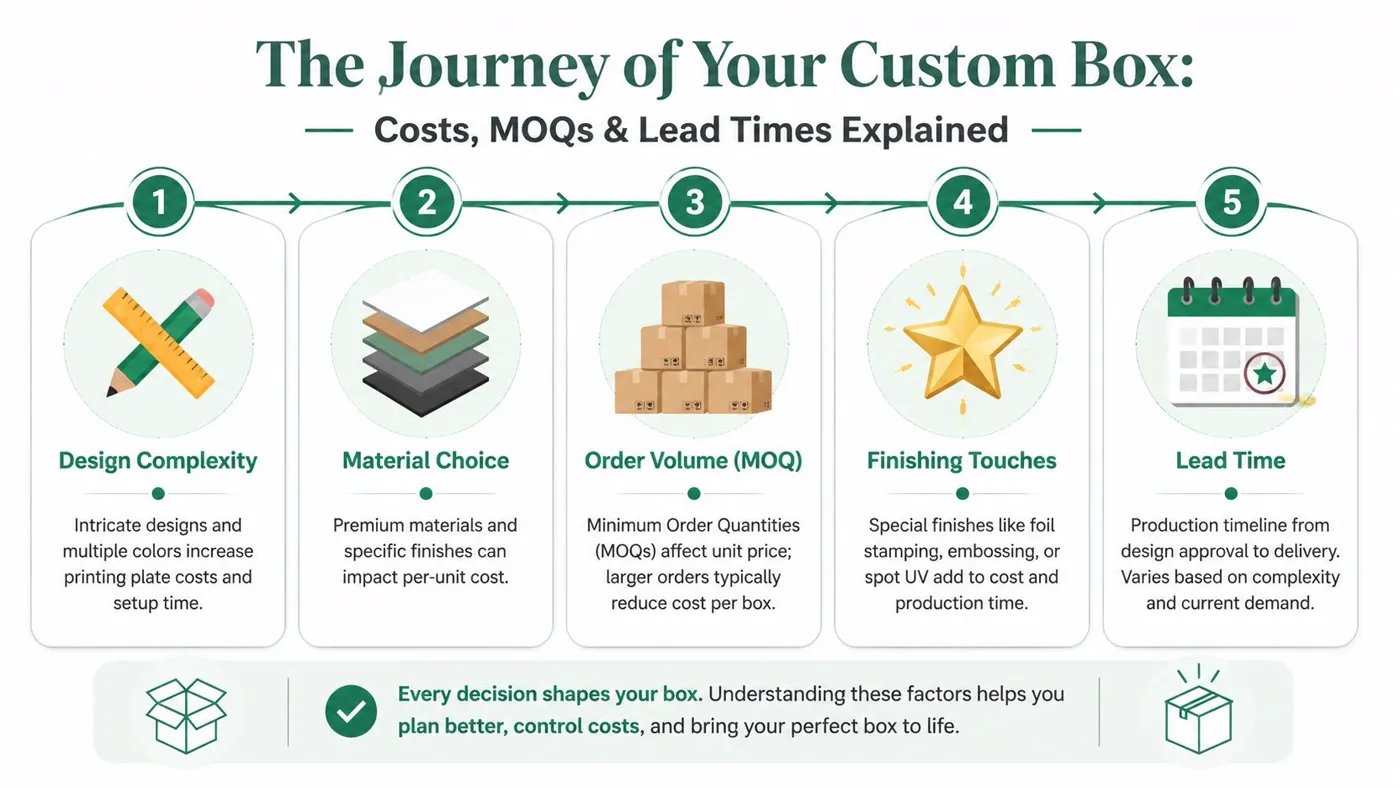
The box price includes more than board and print. It also reflects tooling, packing efficiency, wastage allowances, freight, storage, and how much risk the supplier is carrying on timing and setup. A low headline unit price can look less attractive once the business factors in assembly time, missed launch dates, or a format that is awkward to recycle.
What actually drives the quote
Five variables usually move the price fastest:
- Tooling and construction: Custom cutters, rigid formats, magnets, and inserts increase setup cost and production time.
- Material specification: Thicker board, speciality papers, and lined constructions raise material spend and can increase delivery weight.
- Print method: Digital suits shorter runs and faster changes. Litho tends to reward larger, stable volumes.
- Finishing steps: Foil blocking, embossing, laminates, and spot coatings all add handling stages. They can also complicate kerbside recyclability if different materials are bonded together.
- Order profile: Higher quantities usually improve the unit rate, but only if the stock will turn quickly enough to justify holding it.
That last point gets missed often.
A business ordering 5,000 boxes to save a few pence per unit can lose that gain through storage charges, obsolete artwork, or leftover stock after a seasonal campaign ends. For gift-led products, I usually advise clients to treat the first order as a learning run unless demand is already proven.
MOQs are about production fit, not just supplier preference
Minimum order quantities come from the production method and the pack format. Simple digitally printed cartons can be viable at relatively low volumes. Rigid boxes, specialist finishes, or multi-part constructions usually need a higher MOQ because setup, hand assembly, or tooling has to be spread across more units.
The practical question is not "What is the lowest MOQ available?" It is "What quantity gives an acceptable unit cost without creating dead stock?" Those are different decisions.
For many UK brands, local production earns its place on flexibility alone. It is easier to approve samples, adjust artwork, and reorder in smaller batches. If the design is still being refined, or the campaign date is fixed, that control usually matters more than chasing the absolute lowest offshore price. Businesses comparing format options can use the custom gift box range for standard and bespoke styles as a reference point before requesting quotes.
Lead times need to account for more than manufacture
Production time is only one part of the schedule. A realistic lead time should also allow for artwork approval, white samples, transit, warehouse booking, and any manual packing or kitting after delivery.
In practice, the slow points are often predictable:
| Delay point | Why it affects the project |
|---|---|
| Artwork sign-off | Last-minute amends can push the whole print slot back |
| Finishing approval | Foil shade, laminate feel, and colour match often need a physical check |
| Imported production | Sea freight, customs, and port disruption add timing risk |
| Hand assembly | Inserts, ribbons, or applied extras slow fulfilment |
| Sustainability checks | Mixed-material packs may need review before launch claims are made |
UK businesses also need to weigh end-of-life disposal against finish choice. A premium-looking box is less commercially useful if customers cannot separate the components easily or if the finish makes the pack harder to place in standard paper and card recycling streams. In some cases, dropping one decorative element improves both compliance and margin.
The strongest buying decision usually sits in the middle. Enough finish to support the brand. Enough volume to keep unit economics sensible. Enough lead time to avoid expensive rush decisions.
Your Next Steps to Ordering with Packaging Panda
The best results come from preparing the brief properly before any artwork goes out. A supplier can only quote accurately when the business already knows the product dimensions, use case, expected quantity, and whether the box is for shelf presentation, direct shipment, or both.
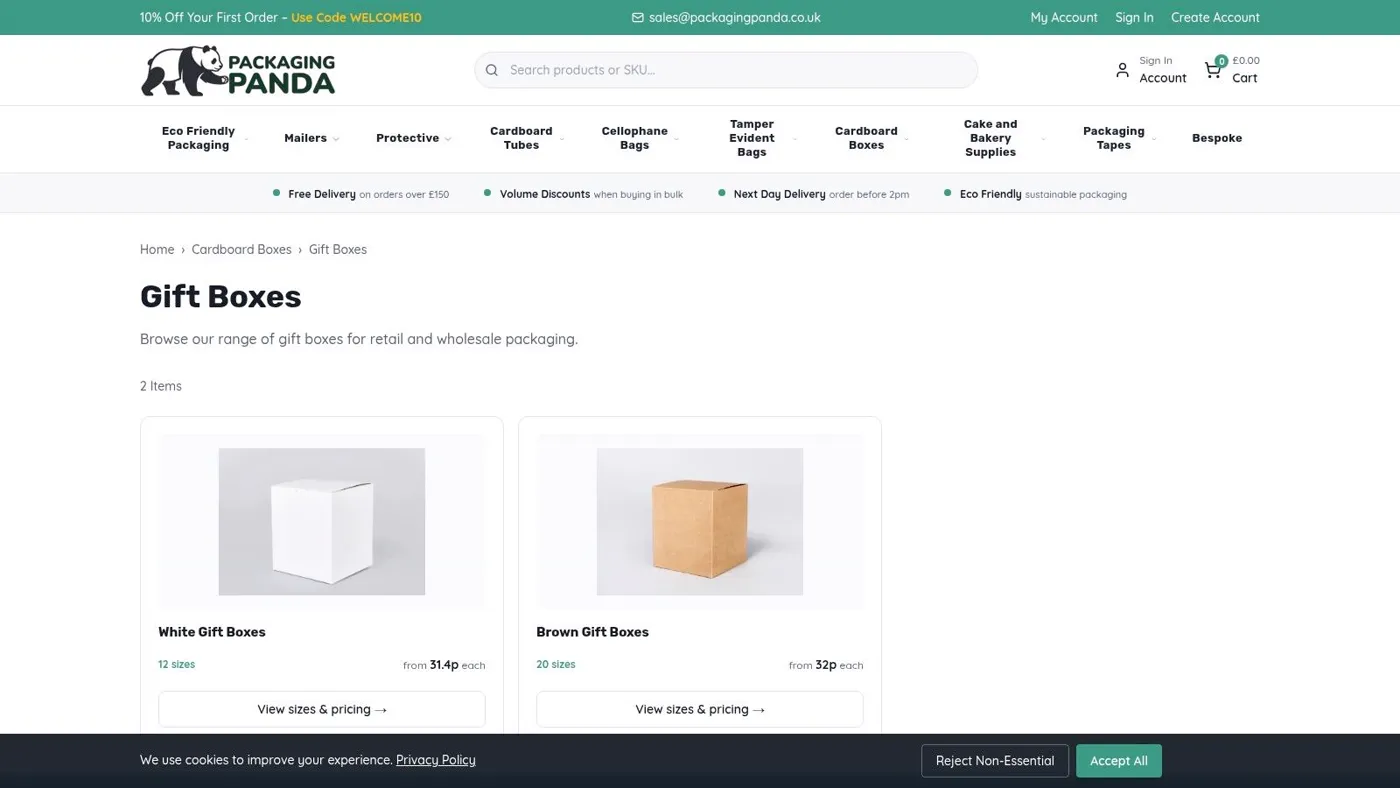
A useful starting point for standard formats and presentation-led options is the gift boxes range. That gives businesses a practical reference for available styles before deciding whether a stock format, branded adaptation, or fully custom route is the right next step.
Build the unboxing around use, not decoration
Unboxing works best when every element has a job.
- The outer impression: Brand placement should be visible without covering key handling areas.
- The opening sequence: Tissue, stickers, sleeves, or inserts should guide the customer naturally, not slow them down.
- The internal fit: Products should sit neatly without rattling or needing excessive filler.
- The disposal moment: Customers should be able to separate components without confusion.
That last point is where many projects still fall down. A gift box that looks polished but leaves the customer wondering what can be recycled creates friction the brand didn't need.
What to prepare before requesting a quote
A business owner will usually get a better response, and a more accurate one, by sending five things upfront:
- Finished internal dimensions for the product pack, not rough estimates.
- Product weight and fragility, especially if the box also needs transit protection.
- Expected order quantity for the first run and likely repeats.
- Material preferences, including whether recyclability is a firm requirement.
- Artwork status, whether print-ready, concept-only, or needing template guidance.
If inserts are required, it helps to send photos of the product packed as it currently ships. That shows whether the issue is movement, appearance, wasted space, or all three.
A sensible ordering process is usually straightforward. Confirm dimensions first, narrow the structure, review material and finish trade-offs, approve artwork on the correct template, then sign off production only after checking practical details like closure, fit, and dispatch use. That sequence prevents most expensive mistakes.
Packaging businesses that need branded presentation, stock gift formats, or custom sizing can review options through Packaging Panda, a UK wholesale packaging supplier offering sustainable packaging, mailing, protective products, and made-to-order solutions for businesses across the United Kingdom.


